Mamdani Disbands NYPD Unit Accused Of Excessive Force Against Protesters
New York City is scrapping a police unit long criticized for its handling of protests. Rights groups welcome the move, but police unions say it puts people at risk.
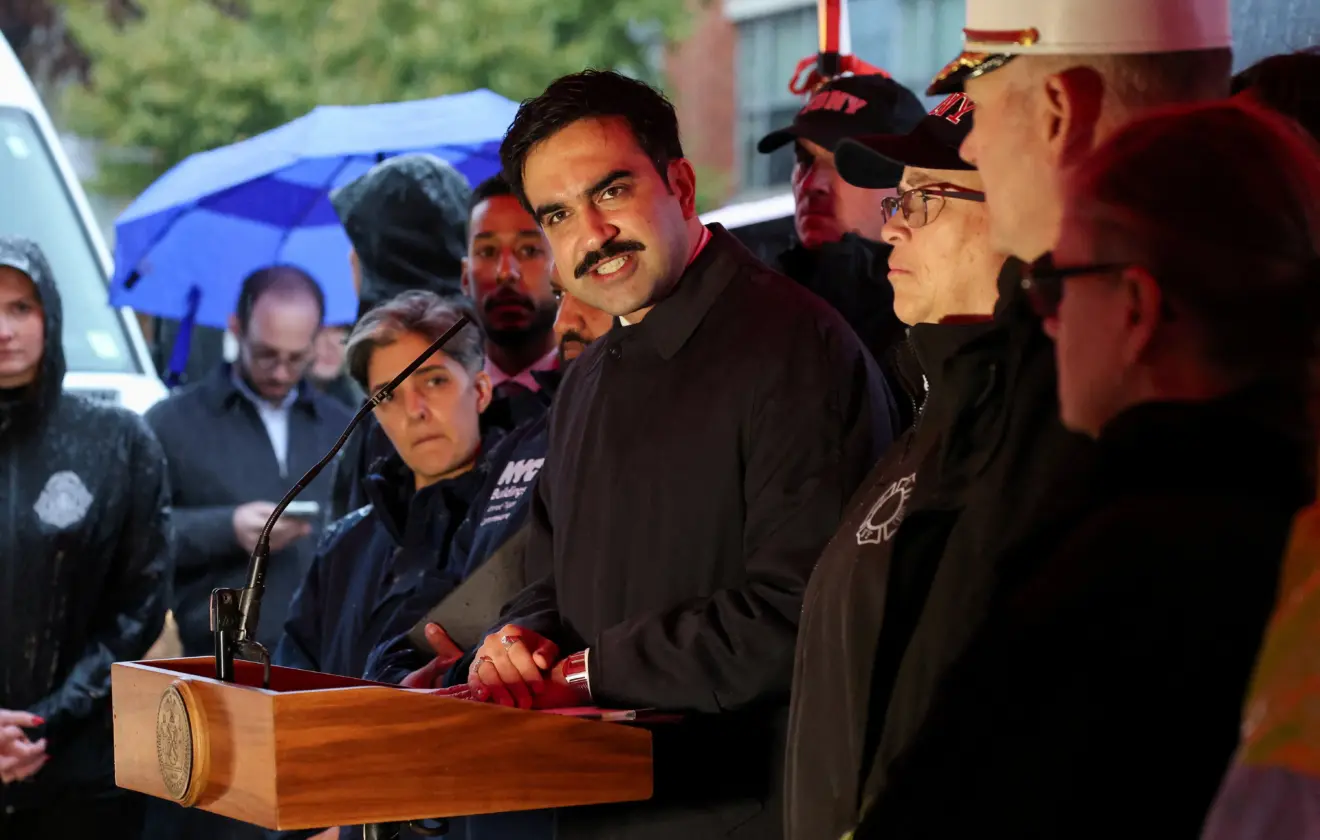
NEW YORK, Nov 17 – New York City Mayor Zohran Mamdani is disbanding the police department’s Strategic Response Group, a unit criticized for using excessive force against protesters, and replacing it with what he describes as a civilian-led approach to managing large demonstrations.
Mamdani announced the move on Monday alongside Police Commissioner Jessica Tisch. He had promised to scrap the unit during his election campaign last year.
The Strategic Response Group is a decade-old counterterrorism unit within the New York Police Department. Over the years, it has drawn legal challenges for its tough tactics at street protests. Those included officers in riot gear using pepper spray, as well as mass arrests.
In its place, Mamdani is setting up a new civilian body called the Community Dialogue and De-escalation Division. Its members would not carry weapons or have the authority to make arrests.
Inside the police department, the unit will be partly replaced by a new Patrol Support Division. Mamdani said the unit would handle protests differently.
He said New Yorkers using their right to protest “should not be met with the same police response as a terrorism threat.”
Tisch said about 500 officers now serve in the Strategic Response Group. They will be moved to other roles within the department before next spring, she said. Some will join the existing Counterterrorism Bureau.
But Tisch also suggested that much of the police response to crowds would not change. In a joint interview with the mayor on ABC’s Eyewitness News, she said nothing would change about how the department handles crowd control.
Tisch runs one of the largest police forces in the world, with an annual operating budget of nearly $7 billion.
A spokesperson for the mayor didn’t respond to questions about how the new Patrol Support Division would differ from the old unit. The spokesperson also didn’t say whether former members of the Strategic Response Group would staff it.
The unit came under heavy criticism after the protests against police violence in the summer of 2020. New York Attorney General Letitia James, the New York Civil Liberties Union and others sued the city. They said officers used excessive force against protesters, journalists and legal observers.
The case ended in 2023 after a legal settlement that rebuked the unit.
Civil rights groups gave the mayor’s move a cautious welcome. Still, several said they’re worried the new Patrol Support Division could be the same unit under a new name.
The Legal Aid Society, the city’s largest public defender’s office, praised the decision to disband what it called one of the department’s most notorious units. But it said the new unit will need close oversight to make sure the old tactics aren’t repeated.
The New York Civil Liberties Union said it will watch the new unit closely. That includes checking whether it complies with the group’s 2023 settlement with the city, it said.
Police unions came out against the plan. They said it will put both officers and the public in danger.
Patrick Hendry, president of the Police Benevolent Association, said the next time demonstrators block bridges and roads, residents should remember where the mayor stands. “Mayor Mamdani is on their side, not yours,” Hendry said.
Mamdani, a democratic socialist, took office in January. He has pledged to change the city’s approach to public safety.
He has repeated his promise to disband the Strategic Response Group several times this year. Some of his supporters had pushed him to act faster on the pledge.
The new civilian division and the Patrol Support Division are expected to take over protest duties as the old unit’s officers are reassigned over the coming months.