Carney reports progress in trade talks with Trump at ASEAN
Mark Carney says Canada and the United States are moving closer to a trade deal but are not there yet. He also announced new trade pacts in Southeast Asia.
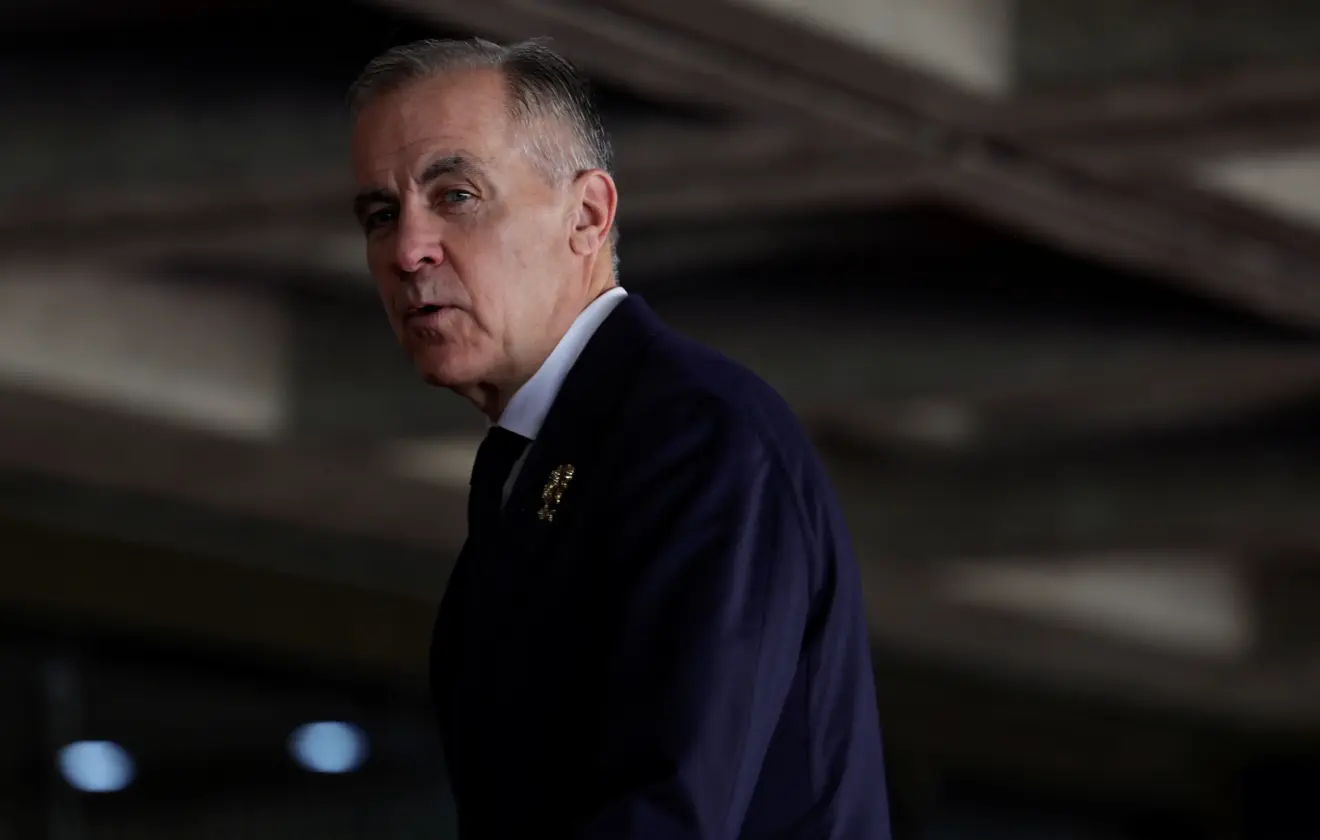
MANILA, Nov 14 – Canadian Prime Minister Mark Carney said trade talks with U.S. President Donald Trump were making progress after he held a lengthy call with Trump and senior White House officials before departing on his trip to Europe and Asia.
Speaking to reporters in Manila on Saturday, Carney said the two countries are getting closer but have not reached a deal.
“There is the possibility of a deal, a bilateral deal,” Carney said. But he added that they are not there yet.
He described the call with Trump as long and substantive. Carney said United States Trade Representative Jamieson Greer and Stephen Miller, Trump’s new White House chief of staff, also took part.
Carney said Canada will not accept any deal that hurts its auto industry, a sector that has been hit hard by Trump’s tariffs.
The talks broke down in August after Canada walked away over what Ottawa viewed as unacceptable last-minute demands from Washington.
The United States then imposed 50% tariffs on roughly $20 billion worth of Canadian goods, and Canada responded with its own tariffs in September. The two sides have since returned to the negotiating table.
Canada and the United States share one of the largest trade relationships in the world. A deal could reduce some tariffs on key sectors, including steel and aluminum, while helping to stabilize trade ties between the two countries.
Before the midterm elections, Trump said the two countries were “very close” to an agreement. Carney said at the time that Washington had dropped demands involving Canada’s culture, its French-language protections and its right to strike trade deals with other countries.
Tariffs on Canadian goods became an issue in the midterms. Democrats blamed them for higher prices and promised to challenge them.
Their wins have left Canada with a tough choice. It can accept a deal that lowers Trump’s tariffs but leaves some in place. Or it can hold out for full free trade while Congress moves to challenge the tariffs.
Carney made the remarks in Manila, where he is attending the Association of Southeast Asian Nations summit.
He also had trade news from the region. Carney said Canada had largely concluded free trade talks with the Southeast Asian bloc, which has nearly 700 million people. He said Canada had also finished separate talks with the Philippines.
Both deals are part of Canada’s push to rely less on the United States during Trump’s trade war.
The Canadian government says the deal with the bloc could add nearly 2 billion Canadian dollars to the economy. That’s about 1.4 billion United States dollars. Ottawa says it could also create almost 14,000 jobs, mainly in farming and manufacturing.
Officials hope to sign it next year.
The deal with the Philippines covers more than 90% of tariff lines, Carney said. It is also expected to be signed next year, and the government says it could help triple Canadian exports to the Philippines by 2035.
Carney has made it a central goal to double Canada’s exports to countries other than the United States by 2035, as Ottawa seeks to reduce its reliance on its southern neighbour.
His trip is a long one. Before arriving in Manila, Carney attended the European Political Community summit in Ireland.
After the Southeast Asian summit, he is set to attend the summit of French-speaking nations in Cambodia. He will then travel to China for the Asia-Pacific Economic Cooperation summit in Shenzhen, where he is expected to continue efforts to expand Canada’s trade and diplomatic ties across the region.
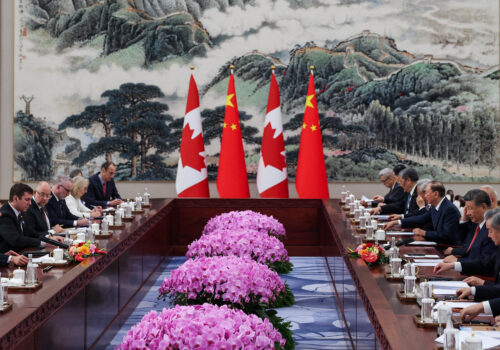
There, he is scheduled to meet with Chinese President Xi Jinping as part of Canada’s efforts to deepen trade and diplomatic ties in the region.