Pakistani Series On Netflix Faces Ban Call From Indian Union
An Indian film union wants Modi to stop Netflix from showing "Jo Bachay Hain Sang Samait Lo" in India. The Pakistani series, starring Fawad Khan and Mahira Khan, is due to stream on December 4.
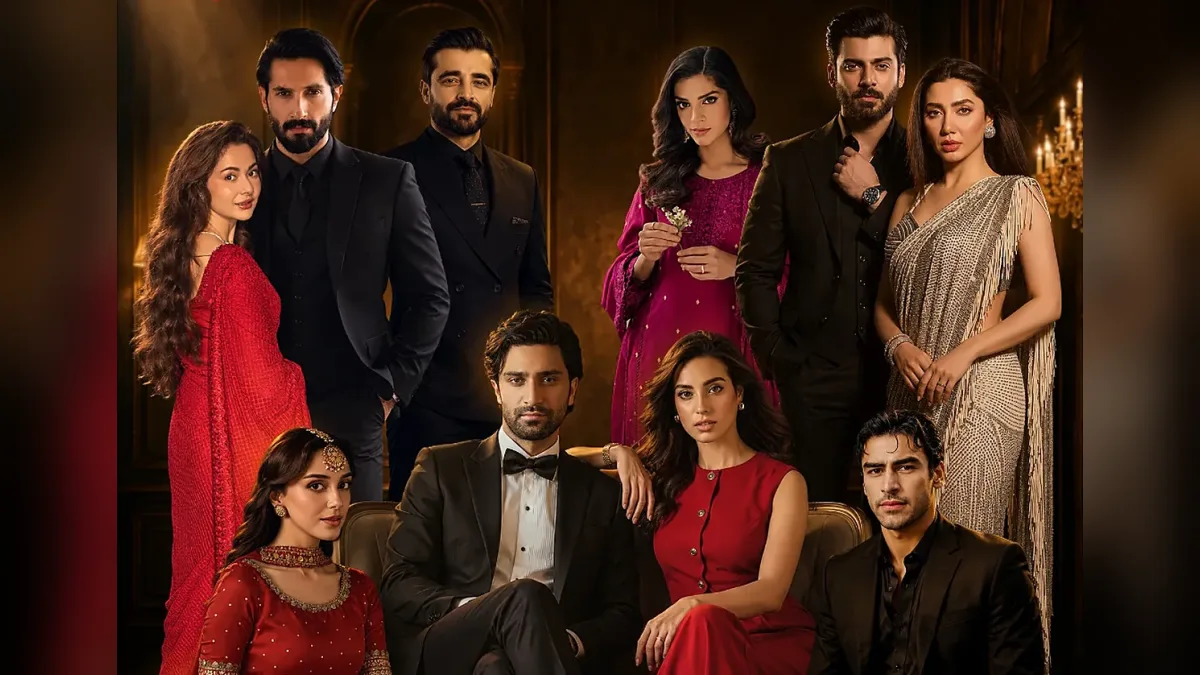
MUMBAI, Nov 26 – A large Indian film workers’ union has asked Prime Minister Narendra Modi to ban Netflix’s first Pakistani series, “Jo Bachay Hain Sang Samait Lo,” in India.
It is based on a novel by the Pakistani author Farhat Ishtiaq
The series, whose English title is “All the Love Our Hearts Carry,” is due to start on Netflix on December 4. It is the company’s first series in Urdu and stars some of Pakistan’s best-known actors, including Fawad Khan, Mahira Khan and Sanam Saeed.
The All Indian Cine Workers Association, which says it is the largest union of film workers in India, sent the request in a letter to Modi late on Tuesday.
“No Pakistani face, voice or story has a place on Indian screens,” the union said.
Netflix and a spokesperson for Modi did not immediately respond to requests for comment.
The union’s president, Suresh S Gupta, said he wrote with deep pain and a strong sense of duty, on behalf of the country’s 1.4 billion people. He said several actors in the series had spoken out against India at times of high tension between the two countries.
Gupta said the union had banned Pakistani artists from working in India after the 2019 attack on Indian troops in Pulwama, and he also pointed to an advisory issued by India’s information ministry last year. It asked streaming platforms not to show content from Pakistan, and Gupta said that releasing the series would go against both the advisory and the nation’s feelings.
In the letter, he asked Modi to block the show, ensure all streaming services follow the advisory, and enact a permanent law with the strictest penalties. He also urged Netflix India never to show Pakistani content.
A second group, the Federation of Western India Cine Employees, has also opposed the show and asked the authorities to keep it off Indian screens.
Pakistan hit back quickly. The reply came from a cabinet minister.
Ahsan Iqbal, Pakistan’s minister for planning and development, accused India of turning sport, water and now art into weapons. In a post on X, he said people should be allowed to choose what they watch.
“India, grow up,” Iqbal wrote.
He said athletes should be allowed to play, water should be allowed to flow and artists should be allowed to create. He added that Pakistan has been working to open global streaming avenues for its talent, including by linking the country to the Middle East and North Africa content region.
The series was commissioned by Netflix’s Middle East and North Africa arm. It is not clear whether it will be released in India.
It is based on a novel by the Pakistani author Farhat Ishtiaq, and Netflix describes it as a story of six couples and how they find love.
Relations between the two nuclear-armed neighbors have been tense for decades, and India has long accused Pakistan of aiding and planning violent attacks by Islamist militant groups on its soil. That includes an attack on Hindu tourists in Pahalgam, in Indian Kashmir, in April last year, which killed 26 people and led to the worst fighting between the two countries in years. Pakistan denies the charges.
After that fighting, India asked all streaming platforms to stop showing Pakistani shows, while Pakistan, for its part, banned Indian films from its cinemas, and cultural ties between the two sides were cut.
Pakistani dramas have a large fan base in India, and the curbs have not stopped many Indians from watching them. They are no longer shown on streaming services in India, but many are available on YouTube, where several major Pakistani production houses and channels have set up their own pages.
India is a key market for Netflix, which has an estimated 20 million users in the country, according to the bank HSBC. Its young and fast-growing audience has access to cheap internet.
Iqbal has previously raised the issue of Pakistani content on global platforms. In July, he said major streaming services had been caught up in regional politics, which had denied Pakistani content its rightful place, and that Pakistan was in talks with Netflix and others to change that.
Modi has not responded publicly to the union’s letter.
“Jo Bachay Hain Sang Samait Lo” is scheduled to begin streaming on December 4.