Shenzhen Startups Bet On Foreign Buyers Ahead Of Trump’s Visit For The APEC Summit
As China’s tech hub gets ready to welcome world leaders, its young companies say the real money is overseas. Weak spending at home is pushing them even harder in that direction
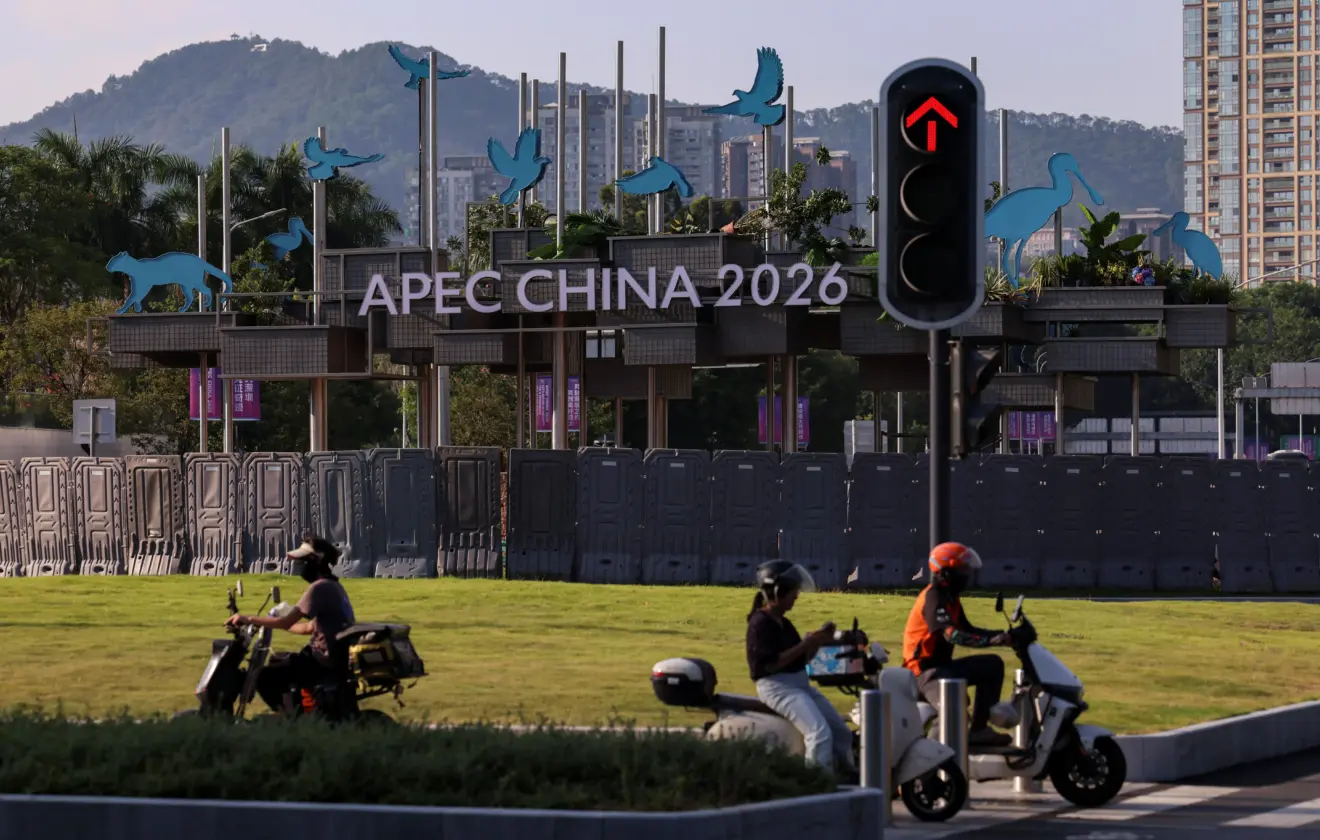
SHENZHEN, China, Nov 13 – Billboards across Shenzhen are welcoming President Donald Trump and other world leaders with a promise of wonders, and the city’s young tech companies are pitching their goods to the world in much the same way. Many Shenzhen startups say their best customers are not in China but abroad.
The southern city will host the Asia-Pacific Economic Cooperation summit on November 18 and 19. Driverless taxis already move through its streets, and drones fly coffee orders to people in its parks.
Shenzhen was a semi-rural area in 1980, when then-leader Deng Xiaoping made it one of China’s first special economic zones. Lighter rules and money from nearby Hong Kong turned it into a hub for making clothes and toys. Over time, its factories moved on to designing and building high-end electronics. Today it is often called China’s Silicon Valley, home to firms such as Tencent and the drone maker DJI.
Its rise came in an easier era of global trade. That has changed. Many countries now say a flood of cheap Chinese goods is hurting their own industries. China’s trade surplus topped $1 trillion in the first 10 months of this year, and is on track to beat last year’s record.
Still, many local firms are sticking to their plans. Interviews by Reuters with executives at seven startups, along with city economic data, show that many are placing even greater emphasis on products for wealthier buyers overseas.
At the InnoX hardware incubator, in the Liuxiandong district, about 80% of the projects run by more than 120 startups are aimed at foreign customers, said co-founder Carol Yu. She said people abroad are both more able and more willing to pay.
“It’s still much stronger in overseas markets,” Yu said.
InnoX was founded in 2021 as part of a city initiative. One of its co-founders is a former chairman of DJI. It gives founders labs to build prototypes, a small production line and introductions to suppliers. It also takes them to trade fairs abroad. Yu said the government pays for training and invests in early funding rounds, before private investors step in. Founders say local officials also help with rent, housing and hiring.
The area is part of a wider state push. City authorities have sold land in Liuxiandong to firms working in robotics, aerospace and cybersecurity, which Beijing sees as key sectors. State-backed projects there now total more than 60 billion yuan, or about $8.7 billion.
Weak domestic demand is adding to the push overseas. A prolonged property slump has hurt spending, while fierce price wars have reduced profits on sales within China. In Shenzhen, retail sales grew just 2.3% from January to September, below the city’s target. Exports from the city rose 18.5% over the same period.
Richard Yarrow, a fellow at Harvard University’s Asia Center, said officials chasing growth “have to look to overseas markets.” But he said the tools used to back exporters, such as cheap loans, also take money away from households, because low interest rates mean people earn less on their savings.
Between 2005 and 2024, Chinese companies in 15 heavy and strategic industries received three to eight times greater government support than competitors in many wealthy countries, according to the Organisation for Economic Co-operation and Development. Beijing denies that it creates overcapacity or keeps its currency weak to gain an advantage over rivals.
Selling abroad has not been easy. United States tariffs on Chinese goods hit 145% in April 2025 before a truce. The Supreme Court struck down Trump’s emergency tariffs in February, and a separate 12.5% levy was added in July. Shipments to the United States still rose nearly 40% from a year earlier in September, after a meeting between Trump and Chinese President Xi Jinping eased tensions.
Europe has its own barriers. The European Union agreed with Beijing in October to cap imports of Chinese hybrid cars, and says it will propose limits in other sectors. Ben Guo, founder of the electric cargo bike maker Tarran, said European duties of almost 80% led his firm to move some production to Southeast Asia. He said such moves push up costs and prices for buyers.
Founders say they still need Shenzhen. Li An, who runs the electric jet ski maker Anavi, said suppliers in the city are more willing to help new firms get started.
Denise Wu of the scalp-care firm Rootique said her company has sold about 10,000 of its $148 devices, more than half to buyers in the United States.
“We’re not selling in China,” she said.