Black Friday Brings Smaller Deals And Bigger Cyber Risks
Pricing software is telling brands they can offer smaller discounts. Meanwhile, ransomware attacks on retailers rise sharply in November, and fewer than half of small retailers are insured.
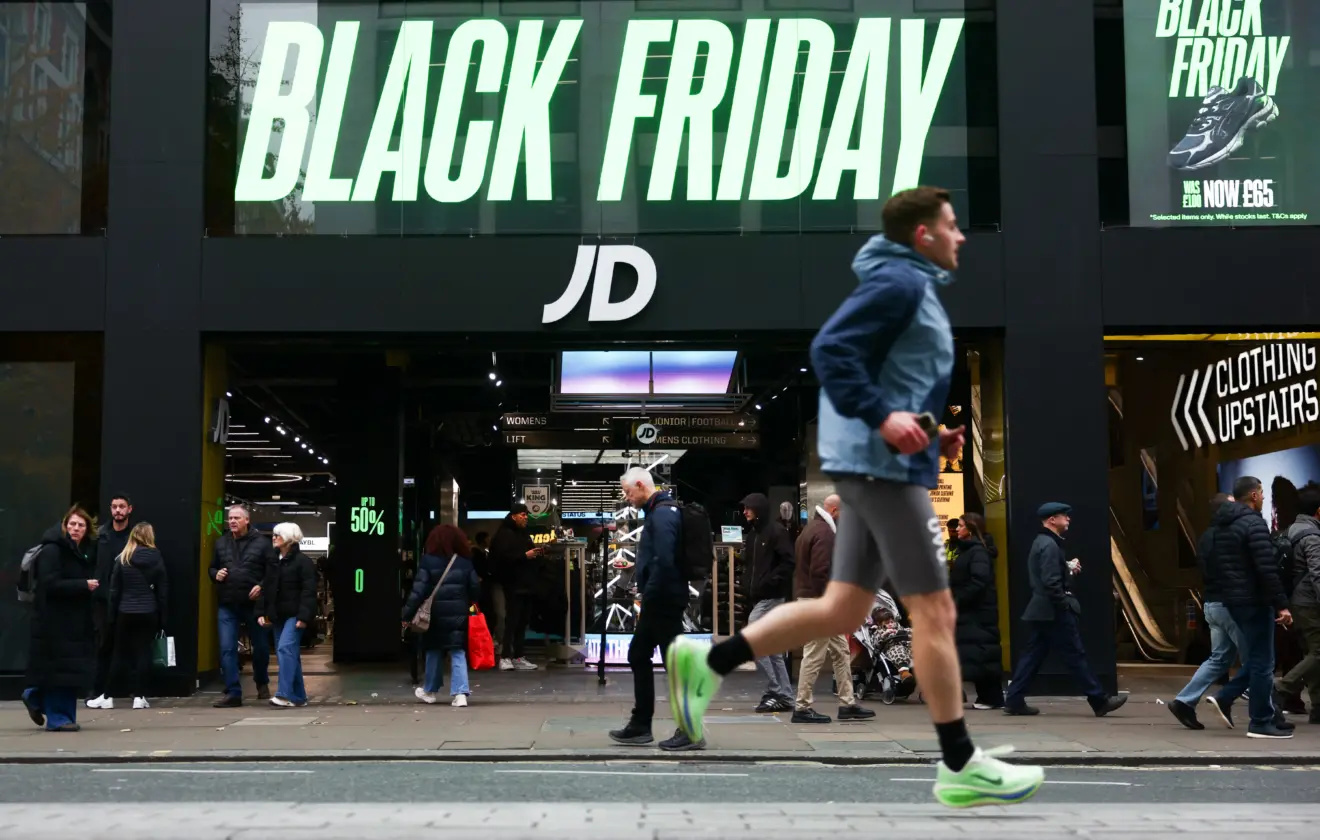
NEW YORK, Nov 25 – If the Black Friday deals look a bit smaller this year, there is a reason, and it is the same thing making life harder for the stores themselves. It is artificial intelligence, and it is now part of how prices are set and how shops get hacked.
Take the prices first.
More brands now use the software to work out how much to charge, and when and how far to cut. Five firms that sell the tools told Reuters that, time and again, the answer is that a brand can cut less and still sell just as much, and Gap and Under Armour are among the brands that use them.
The software at Impact Analytics, which counts Gap as a client, tends to tell brands that they need fewer sales, that run for less time and on fewer things, its chief executive, Prashant Agrawal, said. A Gap spokesperson said the brand uses it to make better choices on when to mark things down.
At times the advice is very exact. The firm Kapnova told one big beauty brand to take 30% off a skin cream on Black Friday, not the 40% it had in mind, said Kapnova’s chief executive, James Sun.
He knows that people do not like it.
“It is controversial,” Sun said.
People want their deals, he said, but stores are getting smarter, and as more of them learn how much people will buy at each price, the deals on Black Friday will get smaller.
The tools look at what has sold, what is left on the shelf, what other shops charge, the weather and the state of the economy. Then they guess what people will want, and they keep doing it as things change. The idea is not new, but the tools have got much better at it in the last two years.
A store manager may want to slash prices to clear old stock, said Lindsay Fisher of Sparkbox. The software does not work that way, she said; it holds its nerve when a smaller discount is enough.
It is difficult to measure the full impact so far. In sportswear, more items went on sale over the past year, but the discounts were smaller, according to data firm Centric Market Intelligence. The average discount on a sports bra fell to 32%, from 36% a year earlier.
Some people are worried about where it could go next.
Tools that change prices fast are just one step from charging each person a different price, said Sofia Serra, a former McKinsey consultant. Some states are already trying to stop that.
“Regulation is still evolving,” Serra said.
It comes at a hard time for people in the United States. Prices are still going up, by 3.7% a year, and the cost of living was a top worry for voters in this month’s elections, polls showed.
Holiday sales are still expected to grow 4.2% to just over $1 trillion, according to the National Retail Federation. But much of that increase reflects higher prices rather than more shopping.
Now take the hackers.
The same kind of software is making it easier and quicker to break into a store’s systems, and November is when the hackers like to strike.
Attacks in which hackers lock up a company’s computers and demand payment are 50% more common in November than in a typical month for retailers, hotels and similar businesses, according to insurer CFC. Yet only 43% of small and mid-sized retailers have insurance for such incidents.
Stores spend months ensuring their websites can handle the holiday rush, said Lindsey Maher of CFC. But she said they should also treat Black Friday as a test of how well they can withstand an attack.
Most retailers do not buy additional insurance for a single weekend, said David Molony of Aon; instead, they focus on strengthening their systems. But if an attack prevents a store from selling during its busiest period, he said, the financial losses can mount quickly.
Target learned that in 2013, when hackers breached its systems during the holiday season and stole details from at least 40 million credit cards. The breach ultimately cost the company $202 million.
The threat is growing, said Francisco Donoso of Beazley Security, with the number of vulnerabilities hackers can exploit now nearly six times higher than a year ago.
“It’s really hard for organizations to keep up,” Donoso said.
In Britain, shoppers are still expected to spend an average of £235 each on Black Friday this year, the highest level since 2022, according to PwC.