Trump Made Up To $15 Million On Nvidia Stock After Huang Return
The president says he convinced Nvidia's board to bring Huang back. His filings suggest he held up to 370,000 shares, and a Democratic senator wants trading before the decision investigated.
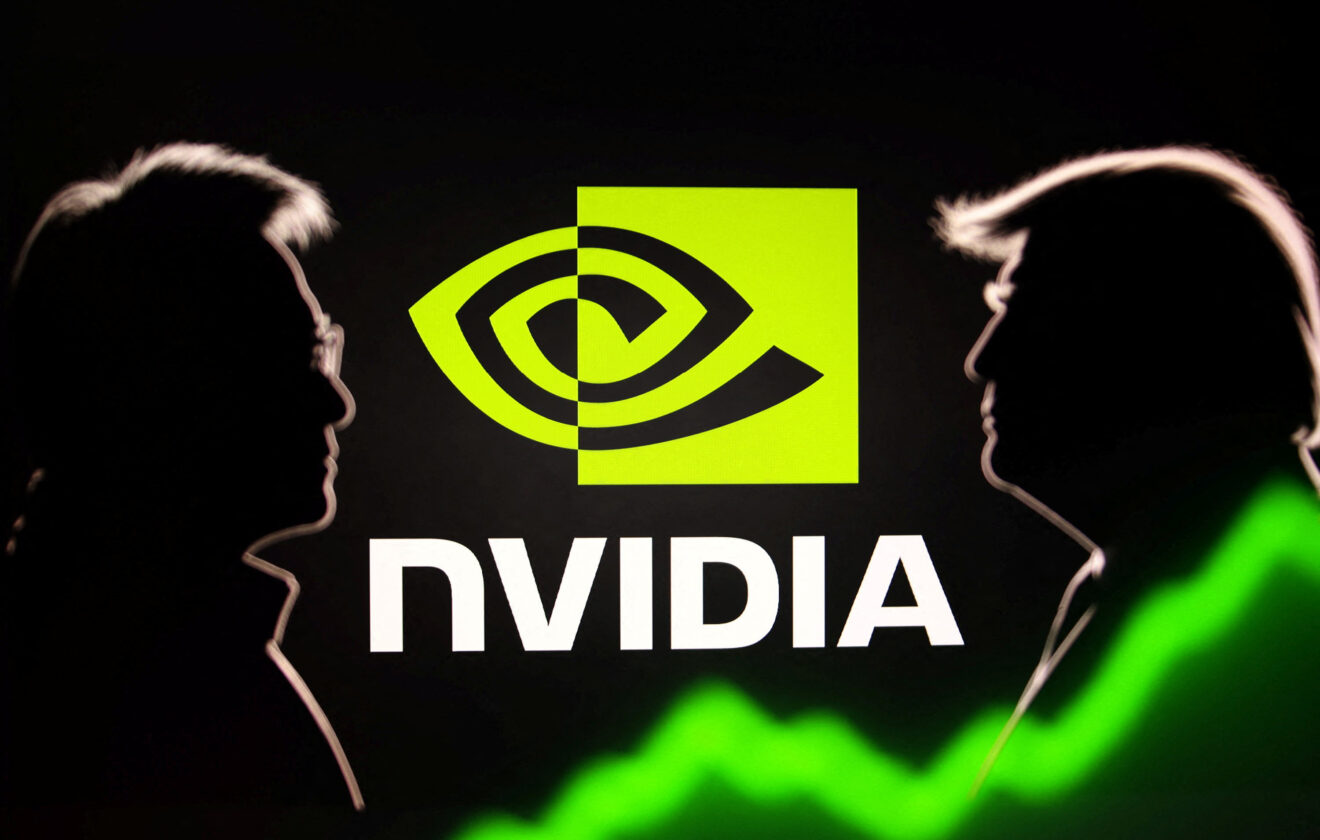
WASHINGTON, Nov 24 – President Donald Trump made as much as $15 million on his Nvidia stock after the chipmaker’s shares soared on the return of Jensen Huang as chief executive, a move Trump says he personally helped to secure.
Trump’s filings with the Office of Government Ethics suggest he may have held as many as 370,000 Nvidia shares as of Sept. 30, the most recent date for which figures are available. The holding was first reported by the Financial Times.
Nvidia’s shares jumped 31.5% on Monday, adding about $950 billion to the company’s market value, after its board reversed course and brought Huang back less than two weeks after he was forced out.
Trump told the business network CNBC that he had talked the board into it.
“I spoke to them, let me put it that way,” Trump said, adding that he had convinced them and made the deal.
Huang, who co-founded Nvidia in 1993, left the company after allegations that he had three affairs, one with a woman suspected of spying for China and two with Nvidia employees. China has denied that the woman is a spy.
He returned to the company’s headquarters in Santa Clara, California, on Monday to a hero’s welcome, with crowds of staff chanting his name.
“I’m going to be a better CEO,” Huang told them.
The gain on his Nvidia stock adds to questions about the president’s personal stake in the company.
A BBC review of his disclosures over the past two years found that Trump bought Nvidia shares worth between $23 million and $86 million. He has also sold part of his stake since returning to the White House, making between $3.5 million and $10.2 million, according to those filings.
According to the White House, the investments held by Mr. Trump are run by outside firms, and he does not control them.
Democrats were quick to attack.
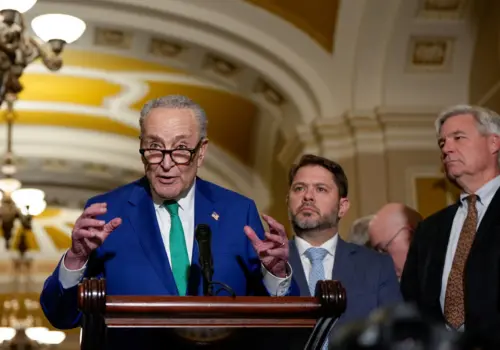
Senator Ruben Gallego of Arizona said there should be an inquiry into trading ahead of the decision.
“We need to investigate what stock positions took place before the announcement,” Gallego wrote on X. He called the White House the most corrupt in history, and later suggested that Trump may have started the bursting of the bubble in artificial intelligence stocks.
The rally spread to Asia on Tuesday.
Taiwan’s leading index jumped 9.5%, and South Korea’s Kospi rose 6.5%, driven by the chipmakers SK Hynix and Samsung Electronics. Japan’s Nikkei gained almost 4%, and shares also climbed in Australia. Markets across Europe were mostly flat.
But the mood in New York cooled. Nvidia’s shares fell 4.1% to $158.26 in trading before the market opened on Tuesday, as investors weighed the political backlash over Huang’s return. Wall Street was expected to open slightly lower.
Artificial intelligence stocks have swung sharply in recent months. Investors have worried about the heavy debts that companies are taking on to build data centers and about the prospect of tougher rules after the Democrats’ victory in this month’s midterm elections.
Roger Lee, head of equity strategy at the investment bank Cavendish, said the effects of Huang’s return could be profound. He asked whether some technology bosses had now become so important to the future of artificial intelligence that, like banks in the global financial crisis, they could not be allowed to fail.
He said questions remain over how the industry will pay for its huge spending and how it will make money from it. Relying so heavily on one man, he said, could make those worries worse.
Economists said Huang’s return could also change the outlook for interest rates. With fears of a slowdown in artificial intelligence spending fading, investors now expect the Federal Reserve to keep a tougher line on inflation.
Markets are now once again fully factoring in a 25–basis point hike, noted Jim Reid at Deutsche Bank, concerning the December statement from the Fed
A basis point is one hundredth of a percentage point, so a 25% increase would raise rates by a quarter of a point.
Huang is due to answer questions from senators about Nvidia’s chip exports at a public hearing next month.