Russian Nuclear Satellite Reports Draw NATO Vow On Space
German media say a satellite called Sputnik-S could carry a nuclear warhead to disable other satellites. The Kremlin dismissed the reports, and Merz called them shocking.
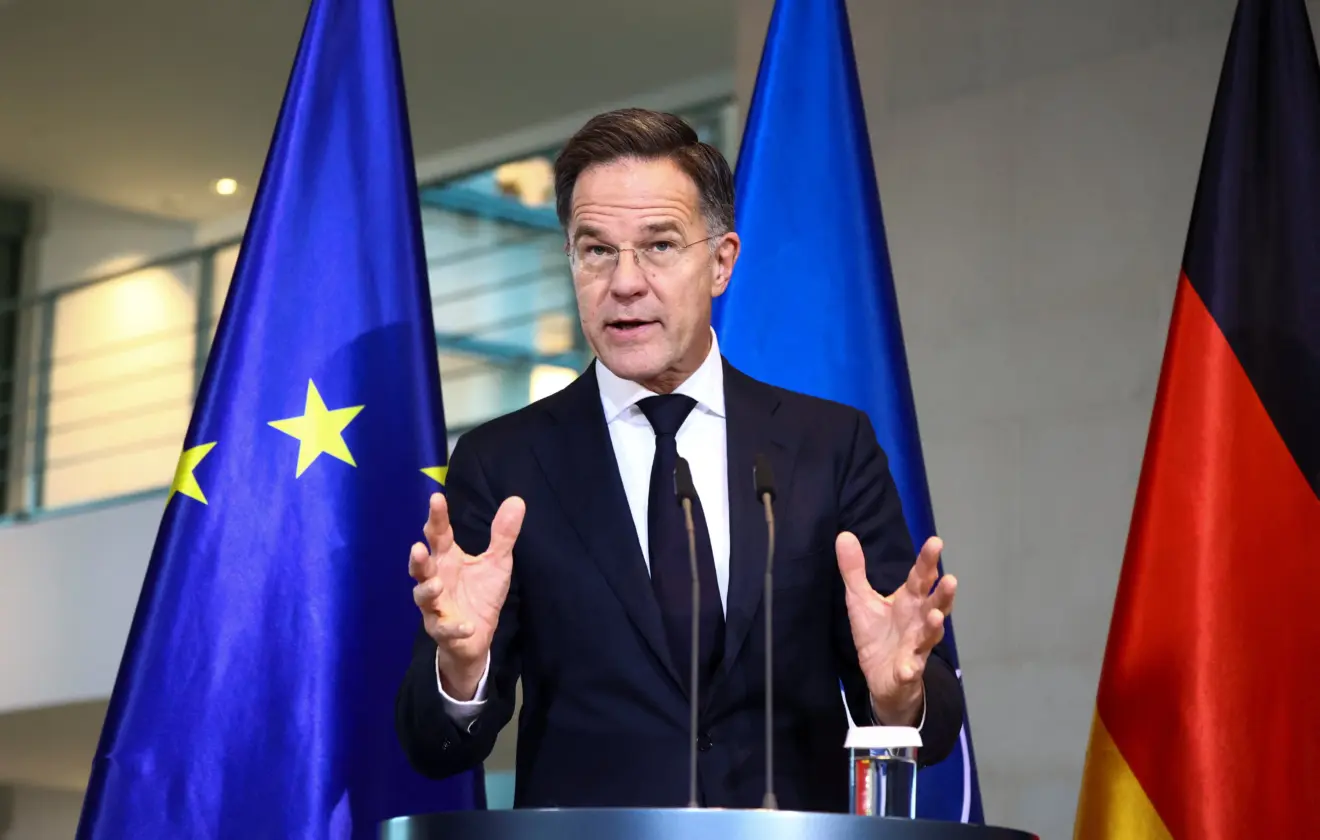
BERLIN, Nov 24 – The head of the North Atlantic Treaty Organization said the alliance will defend itself against any threat from space, after German media reported that Russia is preparing to launch a Russian nuclear satellite within the next two months.
Mark Rutte was asked about the reports at a news conference in Berlin on Monday with German Chancellor Friedrich Merz.
“We will always make sure we defend every inch of NATO territory,” Rutte said.
He said that includes making sure allies are safe in space. The alliance always reviews its ability to deter and defend itself, he said, and makes changes when they are needed. And he said it has a range of options, even if the public does not always see them.
The reports came from the German public broadcasters Norddeutscher Rundfunk and Westdeutscher Rundfunk and the newspaper Sueddeutsche Zeitung. They cited unnamed German military and intelligence sources.
The sources said the satellite has been known as “Sputnik-S” and carries a nuclear warhead. They said it could be used to disrupt or destroy other satellites, including those used for communications and to watch the Earth.
Intelligence reports about a possible launch within 60 days were shared among the allies this month, according to the German outlets. It isn’t clear which country wrote them.
Russia rejected the claims.
Kremlin spokesman Dmitry Peskov said he had not seen the latest reports. But he said reports that cite unknown sources are “hardly worth taking seriously.”
The Russian embassy in Berlin told German media it rejected what it called baseless claims. It said the reports were part of a propaganda campaign.
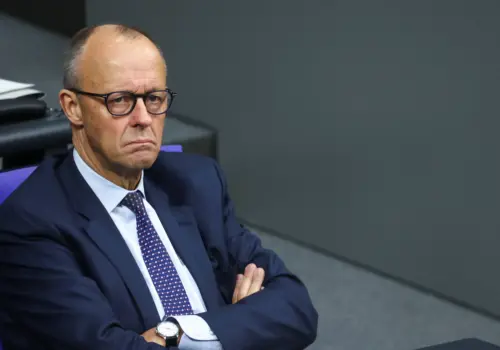
Merz did not confirm or deny the reports. But he said they show how far Russia is willing to escalate.
He said reports of Russian plans to put nuclear weapons in space are not new, but they are still shocking.
A German government spokesman had earlier taken the same line, the news agency Agence France-Presse reported. He said Berlin was taking the reports very seriously. But he also warned against too much worry about dangers that are still only possible.
Josef Aschbacher, head of the European Space Agency, said nuclear weapons in space would be “the ultimate nightmare scenario,” the German newspaper Handelsblatt reported.
Russia has signed the 1967 Outer Space Treaty, which bans weapons of mass destruction from orbit.
This isn’t the first time such a claim has been made.
In 2024, the United States said Russia was building an anti-satellite weapon based in space and armed with a nuclear warhead. Russia denied it. President Vladimir Putin said at the time that Moscow had always been firmly against putting nuclear weapons in space, and still was.
Other countries have also moved to arm space, though not with nuclear weapons. The United States and China have put, or plan to put, other kinds of weapons in orbit. Some are designed to target an enemy’s satellites, which armies rely on to communicate and find ways.
In September, United States Air Force Secretary Troy Meink said the United States sent weapons into space to control it. He gave no details. In reply, Peskov said space must be free of any weapons.
Rutte also pointed to recent incidents closer to home, in Poland and Estonia.
Earlier on Monday, he told allied lawmakers in Berlin that all member states are now targets of hostile acts. He listed arson, drones over airports, sabotage of railways and attacks on computer systems.
Satellites have become vital to modern life. They carry phone calls and internet traffic, guide planes and ships, and help forecast the weather. They are also key to how armies talk, spy and aim their weapons.
A nuclear blast in orbit could damage many satellites at once, not just one target, experts have long warned.
The reports of a Russian nuclear satellite have not been independently confirmed.