Pete Hegseth Faces Mounting Pressure Over Iran War After Republican Midterm Losses
President Donald Trump says his defense secretary is doing a very good job. But Republican Thomas Massie plans to force an impeachment vote unless Hegseth resigns.
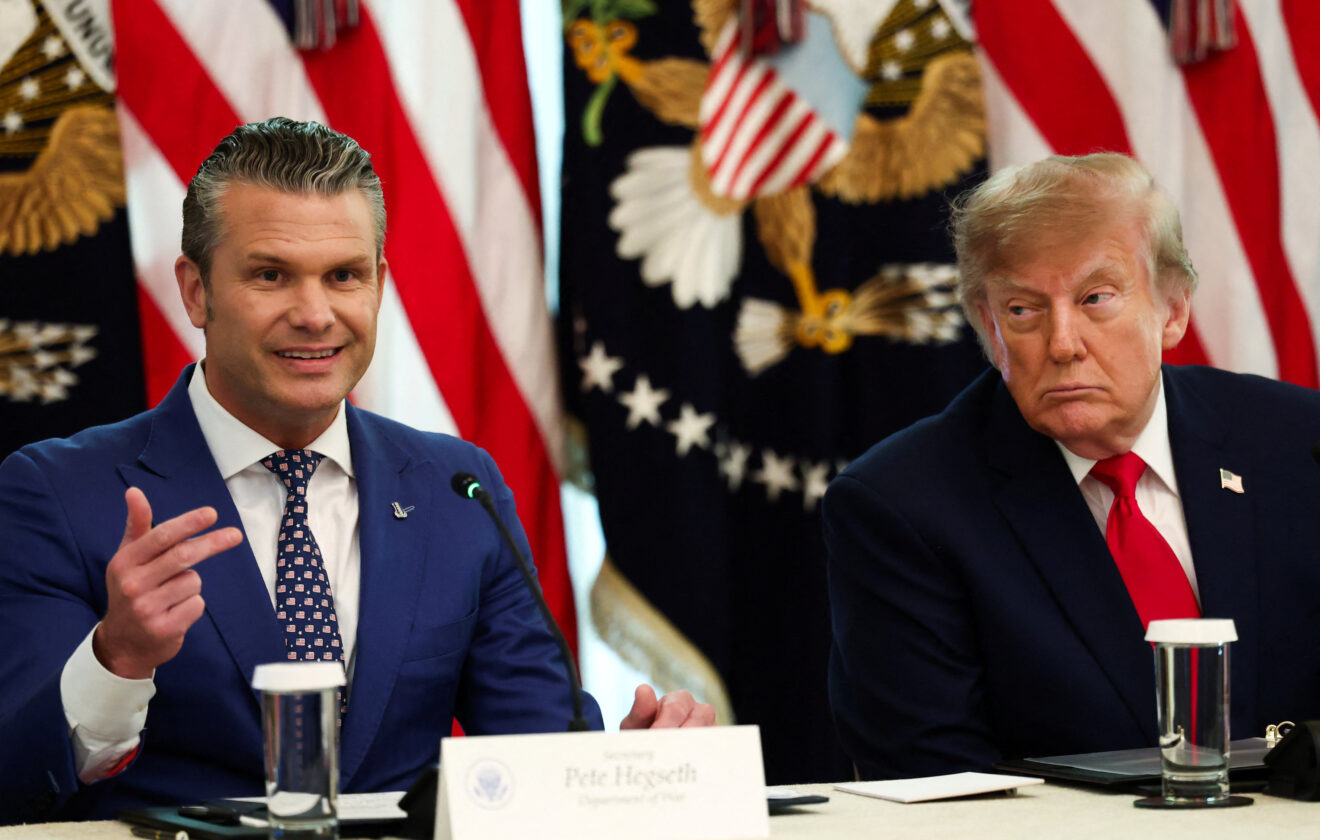
WASHINGTON, Nov 5 – Pete Hegseth is coming under growing pressure to take the blame for his party’s losses in the midterm elections, despite strong public backing from President Donald Trump.
Asked by reporters on Wednesday whether he was thinking about replacing his defense secretary, Trump said no.
“No, I think he’s doing a very good job,” Trump said.
His answer was a sharp contrast with what happened in 2006. The morning after that year’s midterm elections, then-President George W. Bush fired Defense Secretary Donald Rumsfeld. Voter anger over the Iraq war had helped Democrats win control of Congress.
But Hegseth’s future is far from settled. Sources said Trump could still replace him as Republicans weigh what went wrong. CBS News reported that Trump has been asking advisers whether Hegseth should stay.
One Trump adviser said Hegseth “could be on the chopping block” because of the war. The adviser said someone will get the blame, and it would not be Trump.
A source familiar with the matter said anger on Capitol Hill over Hegseth has come up in White House talks about possible replacements. The source said any successor would need to keep a distance from the events that Democrats plan to investigate.
The war with Iran, which voters and Trump himself have named as a major reason for the Republican defeat, has been led largely by the Pentagon, a former senior Pentagon official told CNN.
One Republican close to the White House told CNN that if the president wanted someone to take responsibility for the war, it should be Hegseth. The person said Hegseth had been “either dishonest or incorrect” about the war’s timelines, goals and objectives from the start.
The pressure grew after Vice President JD Vance said on Wednesday that the war was the reason Republicans lost control of Congress. Vance also questioned whether the conflict had been worth the cost.
Trump has described Hegseth as one of the earliest backers of the war. In March, he said Hegseth was the first to speak up in favor of striking Iran, because Tehran could not be allowed to have a nuclear weapon.
Now a member of Trump’s own party is moving to remove him. Thomas Massie, a Republican congressman from Kentucky, filed eight articles of impeachment against Hegseth in September.
The articles accuse Hegseth of breaking the powers that Congress holds over war, carrying out unlawful military operations in several countries, failing to protect civilians, and retaliating against Democratic Senator Mark Kelly.
The House never voted on them. Speaker Mike Johnson adjourned the chamber early before the elections, which blocked Massie from forcing a vote.
On Wednesday night, Massie said on X that he would bring the articles back. He said there was only one way he would not: if Hegseth resigns.
Massie plans to force a vote when lawmakers return to Washington next week for the final weeks of the current Congress, CNN reported. Unnamed Republican sources told CNN they believe the measure is likely to pass.
The Pentagon has pushed back. Chief spokesperson Sean Parnell said Hegseth is “100% committed” to staying in his post until the end of Trump’s term, on January 20, 2029. He said the Pentagon had followed the law and that Hegseth would not be deterred by politicians launching what he called phony investigations.
Pentagon press secretary Kingsley Wilson told USA Today that the whole department was united behind Hegseth’s vision.
Hegseth has been a divisive figure in Washington and has made enemies within his own party.
Republican Senator Thom Tillis told CBS News on Tuesday night that Hegseth had “a reckoning” coming. Tillis said Hegseth’s strained relations with lawmakers were hurting the administration’s push for a $1.5 trillion defense spending package, with only about 60 days left before the current Congress ends.
At times, the fight between Hegseth and Congress has turned personal. Last year, Hegseth sought to prosecute Kelly after the senator and five other Democratic lawmakers with military and intelligence backgrounds urged troops to refuse illegal orders. Hegseth accused them of sedition.
The scrutiny is set to grow next year. Democrats, who will take control of both chambers in January, have promised to investigate Hegseth and the way he has run the Pentagon.
Aides say that could cover his handling of the war on Iran and his removal of top military officers, including the chairman of the Joint Chiefs of Staff.
He could also face questions over his policy on Ukraine and over United States military strikes on boats in Latin American waters that the administration says were carrying drugs. Some Democrats say those strikes could amount to war crimes.
Representative Adam Smith, a Democrat who is expected to lead the House Armed Services Committee next year, promised tough oversight. He said it would cover everything from the war on Iran to what he called the erosion of the military’s nonpolitical foundations.
There has also been talk of a new job for Hegseth. Republican Senator Marsha Blackburn was elected governor of Tennessee on Tuesday and will leave her Senate seat in January, with four years left in her term.
Hegseth lives in Tennessee and voted there on Tuesday. He could be appointed to the seat without having to run for it.
Asked whether he wanted Hegseth to take Blackburn’s seat, Trump said he thought Hegseth would be very popular if he did. But he said he had not heard about the idea.
Trump has often praised Hegseth in public and has given him wide room to reshape the Pentagon. But last month, the two split in public when Trump stopped Hegseth’s plan to livestream the Army’s execution by firing squad of Nidal Hasan, the Fort Hood shooter. Many Republicans, religious leaders and foreign observers had objected to the plan.
Hegseth, a former Fox News host and Army National Guard veteran, has led the Pentagon since January 2025. The Iran war began on February 28, when the United States and Israel launched joint strikes on Iran.