Nvidia H200 Chips Bought by Blacklisted Chinese University
Records show the university got the chips through local suppliers, not from Nvidia. Other Chinese schools have bought banned chips the same way.
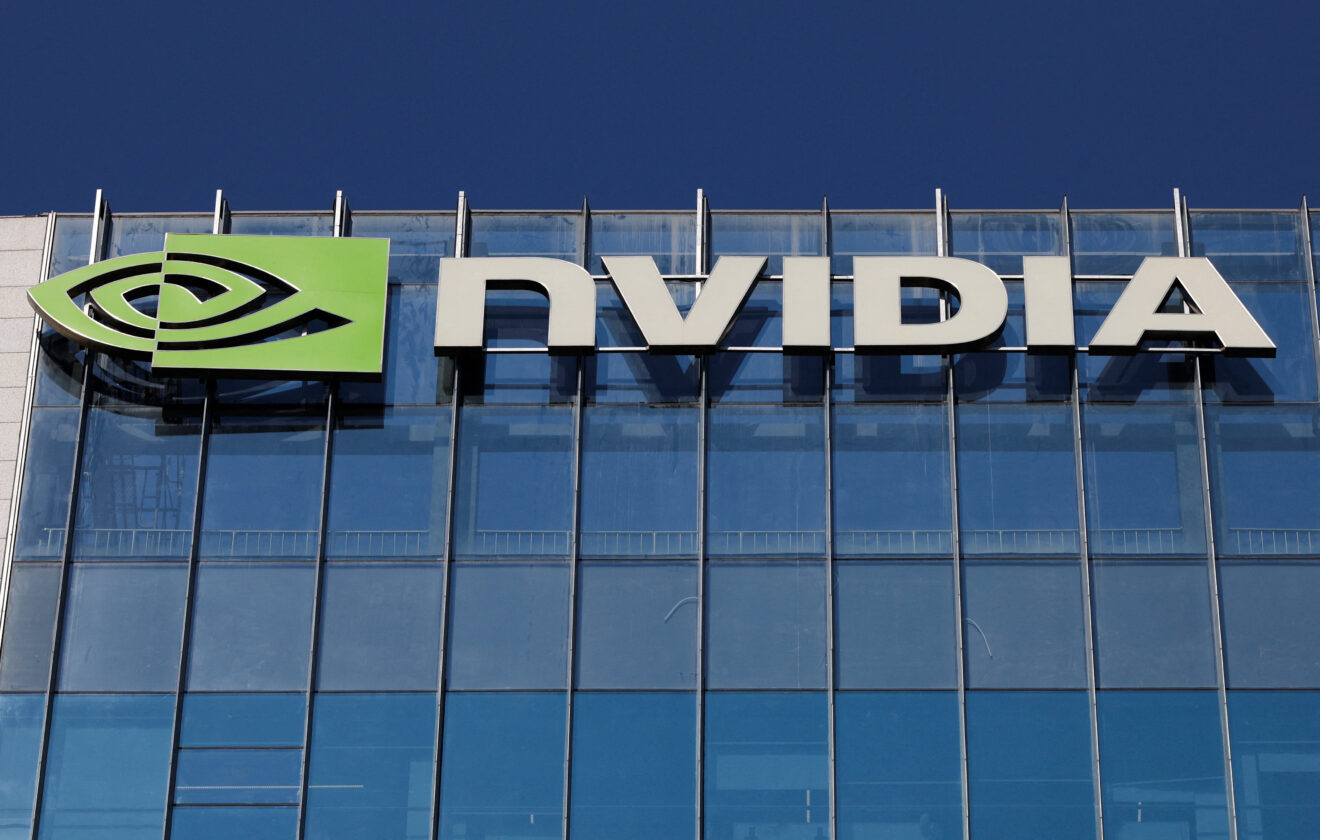
BEIJING, Nov 11 – A Chinese university with close ties to the People’s Liberation Army purchased Nvidia H200 chips last month despite being on the United States export blacklist, procurement records show.
Northwestern Polytechnical University, based in the city of Xi’an, bought two H200 chips for 874,700 yuan, or about $123,000, according to a record dated October 21 on its website.
It did not buy them from Nvidia. The chips came from a Chinese company called Shaanxi Bosuan Network Technology, and they were bought for the university’s management school.
The purchases were first reported by Reuters, which reviewed the records.
The H200 is one of Nvidia’s most powerful chips for building and running advanced artificial intelligence systems. Selling it to China needs an export license from the United States.
Those licenses are usually denied to blacklisted groups like Northwestern Polytechnical.
The university researches military aircraft, missiles and satellites. It is one of the “Seven Sons of National Defense,” a group of Chinese universities that work on Beijing’s defense and were under U.S. sanctions,
The United States Department of Commerce put the university on its trade blacklist, known as the Entity List, in 2001. It cited the school’s alleged role in spreading missile technology and in military research. In 2019, Washington tightened the rules, so that licenses to export controlled United States technology to the university are denied in most cases.
But the records show the school has found other ways in.
This year, it also rented access to H200 chips and other powerful Nvidia chips through five contracts with Chinese companies.
Its cybersecurity school signed two seven-month contracts in January for servers containing eight H200 chips. The work involved training and fine-tuning artificial intelligence models.
It also rented servers with Nvidia’s A100 and A800 chips. Those chips are banned from export to all Chinese buyers. In April, another part of the university paid 375,000 yuan for computing power that required at least 24 A100 chips for airflow and structural simulations.
The deals went to several little-known Chinese tech suppliers. The records say little about where the chips came from or where the rented servers are.
Northwestern Polytechnical did not respond to requests for comment. Nor did Nvidia or the Commerce Department’s Bureau of Industry and Security, which enforces export controls. Reuters could not find contact details for Shaanxi Bosuan.
The university is not alone.
Reuters reviewed 26 Chinese procurement and company records from this year. It found universities and research bodies buying restricted Nvidia chips, or renting computing power that uses them, through local suppliers. Several have close ties to China’s defense industry.
Shenzhen University bought three H100 chips, another banned Nvidia product, in September. Wuhan University of Technology bought a server with an H100 chip in June, and four A100 chips in a separate deal.
Beihang University, another of the “Seven Sons,” purchased four A800 chips in April. It conducts research for China’s military aviation and space programs.
Records from July and September also identified suppliers selected to provide the University of Chinese Academy of Sciences with access to restricted H800 and A800 chips. None of the universities named in the records responded to requests for comment.
The Trump administration began allowing some H200 sales to China on a case-by-case basis in January. However, that did not lift the separate ban on groups on the Entity List.
The January rules also require measures remotely to prevent blacklisted groups and military users from accessing the chips.
The findings come at a difficult time for Nvidia. Its chief executive, Jensen Huang, has urged Washington to ease restrictions on chip sales to China.
He argues that selling to China helps keep the United States ahead and keeps Chinese buyers tied to American technology.
But lawmakers from both parties say China could use Nvidia’s most advanced chips to accelerate work on weapons design, intelligence analysis and military upgrades.
They have called for stricter rules, including tracking the movement of chips and greater oversight by Congress.
Huang is also facing pressure over reports that he was involved with a Chinese spy. Three Republican committee chairs have asked him to provide a briefing on November 18 about his contacts with a woman alleged to be a Chinese intelligence operative.
Reuters has previously reported that banned Nvidia chips reached China inside servers made by other companies and through an underground market.
Last week, it reported that small numbers of H200 chips had reached China through indirect channels, while Beijing had held back approval for large-scale imports.