Kevin Cramer Calls On Nvidia’s Jensen Huang To Resign Over Chinese Spy Claims
A senior Republican on the Senate Banking Committee says the risk of blackmail is too high. It is the first such call from within Trump’s party.
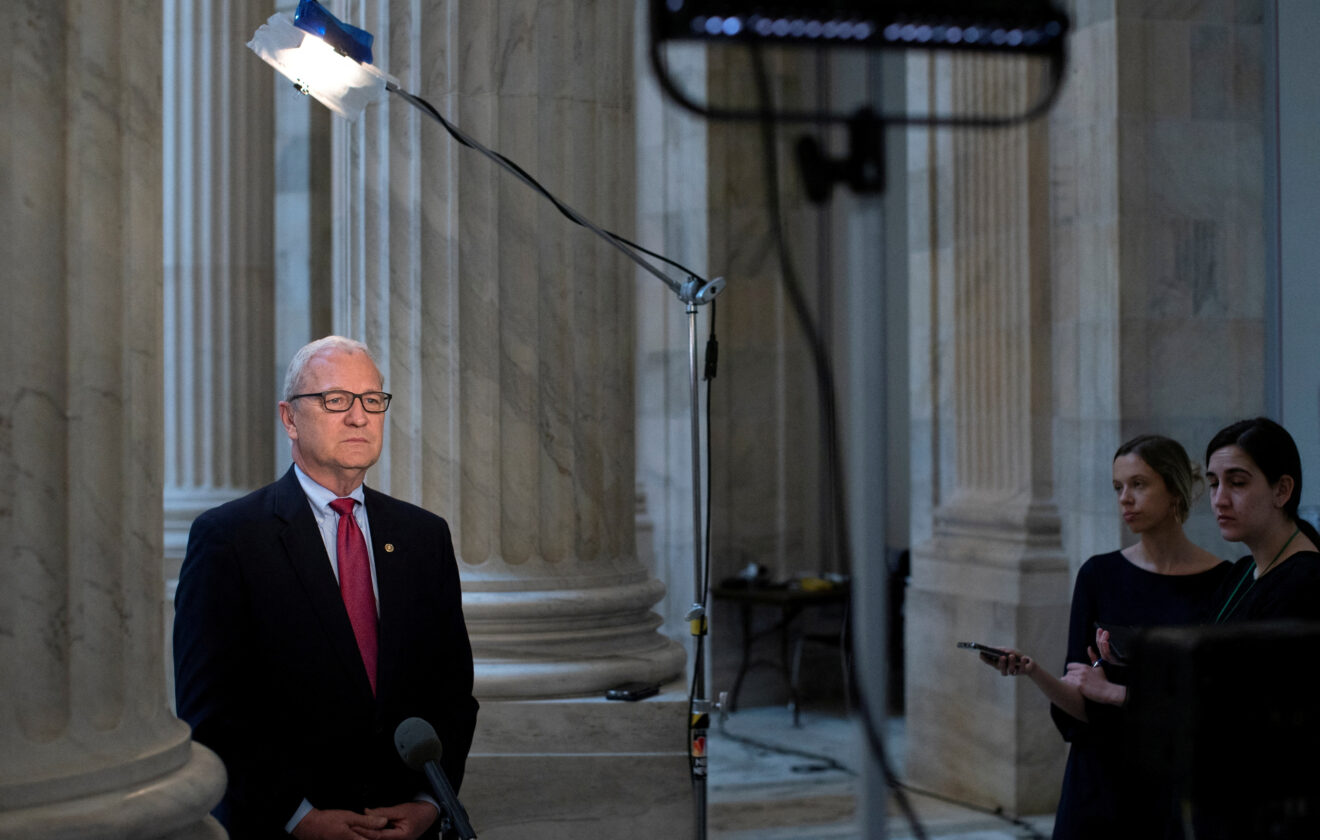
WASHINGTON, Nov 11 – Kevin Cramer is calling for Jensen Huang to step down. The Republican senator said on Tuesday that the Nvidia chief executive should resign over his alleged affair with a Chinese woman who has been described as a spy.
Cramer, a senator from North Dakota who sits on the Senate Banking Committee, spoke to Politico late on Tuesday. He said the risk of blackmail was too significant to ignore, particularly for someone overseeing chips as strategically important as Nvidia’s.
“I just think he’s got to go,” Cramer said.
He went further, arguing that the alleged relationship alone would be sufficient grounds for Huang to step down, even if it proved to be the most serious issue involved. Cramer said that while Alice Huang may not be a spy, she could be, and that it was impossible to know what other risks might exist. In his view, the uncertainty itself posed a potential threat to national security.
That is a rare thing to hear from a Republican. Huang is close to President Donald Trump. He is one of Trump’s top friends in the tech world. For two years, he has backed the White House on many of its plans. He has also spent a lot of time in Washington. All the while, Nvidia has tried to sell its best chips in China.
Trump is still on his side. He said on Monday that he had talked to Huang. He said Huang told him he had no idea she was a spy. Trump said he believes him. He also said the Federal Bureau of Investigation is looking into it.
So is Nvidia. The board has opened its own review. It wants to determine whether Huang was the target of a foreign spy plot.
The review began after a report in The New York Times. The paper said Huang had a close tie to Alice Huang. She used to work as a top boss at Megaspeed, a cloud firm in Singapore. Megaspeed buys chips from Nvidia. The two Huangs are not related. United States officials think she worked for Chinese spies, the paper said.
Huang has told his staff that he was not faithful to his wife. But he has not said more than that.
Nvidia says the board has no reason to think the country’s safety was put at risk. It says the same about the firm’s secrets. And it says Huang has agreed to help with the review.
China has denied the espionage allegations, with its foreign ministry dismissing the claims as a smear campaign.
Pressure on Huang has been mounting for weeks. The scrutiny began shortly after the report was published in late October, when Senator Elizabeth Warren, the top Democrat on the Senate Banking Committee, asked Huang and Nvidia’s board to respond to the allegations. On November 4, Republicans joined the effort: the chairs of three House committees wrote to Huang, requesting that he appear before them privately to discuss his ties to Alice Huang and to explain the safeguards Nvidia has in place to prevent espionage.
Democrats are now using the case to push for stricter controls on the sale of advanced chips to China. These chips are central to the global artificial intelligence boom, and since 2022 the United States has sought to prevent China from obtaining the most advanced versions.
Megaspeed has been under scrutiny for some time. U.S. officials have examined whether the company helped China acquire chips that it is not permitted to receive. Huang has said that Nvidia accounted for every chip supplied to Megaspeed and that his conversations with Alice Huang were ordinary business dealings.
Nvidia’s shares have come under pressure amid the controversy. The stock fell more than 4 percent on Monday, reaching its lowest level in roughly seven months. It has also erased all of its gains for the year.
Some analysts believe Huang’s position could be at risk, depending on the findings of the board’s review. Huang founded Nvidia in 1993 and has led the company ever since.
Nvidia did not immediately respond to Cramer’s remarks, and it has not said when the internal review is expected to conclude.