Iranian Negotiators Leave Doha Talks With Draft Deal Proposal Now Circulating
An official says the talks did not break down and a follow-up meeting is possible. Washington says contacts never stopped, while Iran’s supreme leader orders the military to stay ready.
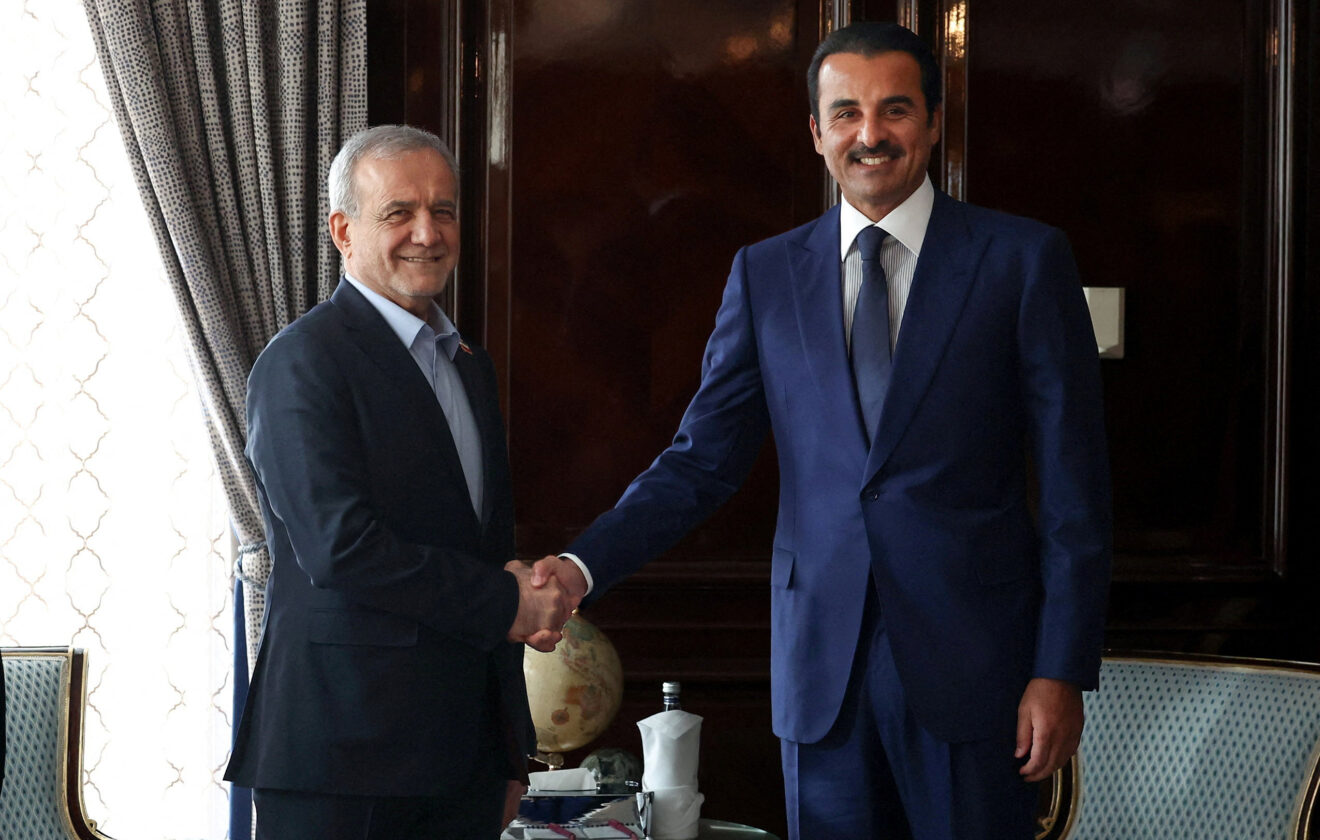
DOHA, Nov 2 – Iranian negotiators have departed talks in Qatar aimed at ending the war with the United States. A draft proposal is now circulating, and a follow-up meeting may be held, according to an official briefed on the discussions.
The Iranian delegation left on Sunday after three days of negotiations with Qatari mediators. The official said their departure did not signal that the talks had broken down, though no details were provided about the contents of the draft.
The talks began in Tehran on Friday, where Iranian and Qatari envoys met for more than 12 hours. They moved to Doha on Saturday. A source briefed on the talks said they were being coordinated through regular contact with Washington.
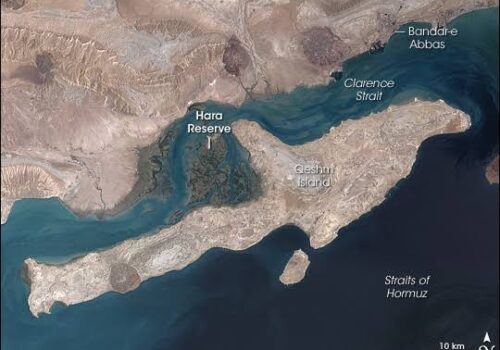
Iran’s Foreign Ministry spokesperson, Esmaeil Baghaei, said on Monday that the talks are based on a seven-step plan Iran drew up in September. It would reopen the Strait of Hormuz and end the American naval blockade of Iran. Tehran now says the plan could be carried out much faster under a deal.
He said Deputy Foreign Minister Kazem Gharibabadi had traveled to Doha to help relay messages to Washington through Qatari intermediaries. The issues remain complex, he added, and the exchange of messages is ongoing.
He also laid out Iran’s conditions. No final agreement can begin, he said, and the strait cannot be reopened or made safe until the blockade is lifted and Iran’s demands are met—demands he described as clear, reasonable, and logical.
Under Iran’s proposal, Washington would lift the blockade on Iranian ports, release frozen Iranian assets, and approve a shipping route through the strait backed by Iran. Only after those steps would the strait be reopened. Trump has so far rejected the plan.
The Qataris brought a plan of their own to Tehran about a week ago. It also ran for seven days. Under it, the United States and Iran would each take small steps every day to build trust before wider peace talks.
Iran has since moved on timing. Foreign Minister Abbas Araqchi told the Qatari broadcaster Al Jazeera on Saturday that Iranian and Qatari negotiators had worked out a way to reopen the strait within two days of a deal, instead of seven. Esmaeil Baghaei called that a sign of Iran’s goodwill.
Abbas Araqchi said on Sunday that talks on the two-day idea were still going on, and that nothing had been settled. He said Iran is ready for both defense and diplomacy.
“We are doing our best in this process,” he told state media. He said he hopes the other side will act sensibly and choose diplomacy.
Washington says it is talking too. Secretary of State Marco Rubio said on Saturday that there are many channels with Iran, some direct and some through others. “Talks have actually never stopped,” he said. He would not say how long the Qatar talks might take.
Marco Rubio said Trump has not decided whether to order new strikes. He said the president would rather solve the problem through diplomacy, but is confident the United States could act militarily if it had to.
Trump has held off on attacks in recent weeks, ahead of Tuesday’s midterm elections. Those votes will decide whether his Republican Party keeps its thin majorities in both houses of Congress. He has said talks with Tehran have been productive, but he has not ruled out more military action after the vote.
Countries in the region expect he may restart the attacks once the election is over. Last week, Trump urged Israelis to keep Prime Minister Benjamin Netanyahu in power at their own election, so the two leaders could, in his words, finish the job.
At the same time, Washington has sent signals that it is open to talks. This week, Vice President JD Vance, who led the American side in earlier rounds, wrote a letter to Iran’s security chief, Mohsen Rezaei. The New York Times and The Wall Street Journal described it as an effort to see if talks could be restarted.
Trump has played the letter down. He said he only approved it so the two sides could discuss getting more medical supplies into Iran for people who are sick. Abbas Araqchi said on Saturday that Iran is studying it.
Tehran is also getting ready for the worst. On Saturday, Iran’s Supreme Leader, Ayatollah Mojtaba Khamenei, ordered the armed forces to be prepared for any attack. In a statement on his official Telegram account, he said any threat must be met with an “immediate, impactful, and geographically unrestricted response.”
He said senior commanders had reported high readiness along the Gulf coast, around the Strait of Hormuz and the Gulf of Oman, and on Iran’s borders in the northwest and southeast. The military later said it was taking steps to raise its readiness.
Mojtaba Khamenei has not been seen in public since replacing his father, Ayatollah Ali Khamenei, who was killed when the war began in February.
Mohsen Rezaei raised the stakes further, saying Iran is debating whether to abandon its long-standing ban on nuclear weapons if fighting resumes, though no final decision has been made. He also insisted that there can be no negotiations over Iran’s nuclear program unless Washington accepts Tehran’s demands.
Iran has repeatedly warned that it would strike American and Israeli targets in nearby countries if it comes under attack again.
Asked what Iran expects from the U.S. midterm elections, Esmaeil Baghaei said Tehran does not believe the vote will produce a fundamentally different United States.
The war has now gone on for more than eight months. It has spread across the Middle East and disrupted world oil supplies. The International Maritime Organization counted 34 confirmed attacks on ships between late September and late October, most of them in the Strait of Hormuz. Last week, a small boat fixed two limpet mines to a tanker in the strait, setting its engine room on fire.
Qatar is not the only mediator. Pakistan’s army chief, Field Marshal Asim Munir, has been to Tehran twice this month. On his second trip, he was joined by senior officials from Saudi Arabia and Turkey.