Washington Approves $2.1 Billion Patriot Missile Sale to Kyiv
Canada, Germany, Norway and European Union loans will pay for the 500 interceptors. Ukraine wants them sooner, as Russia steps up its missile and drone attacks.
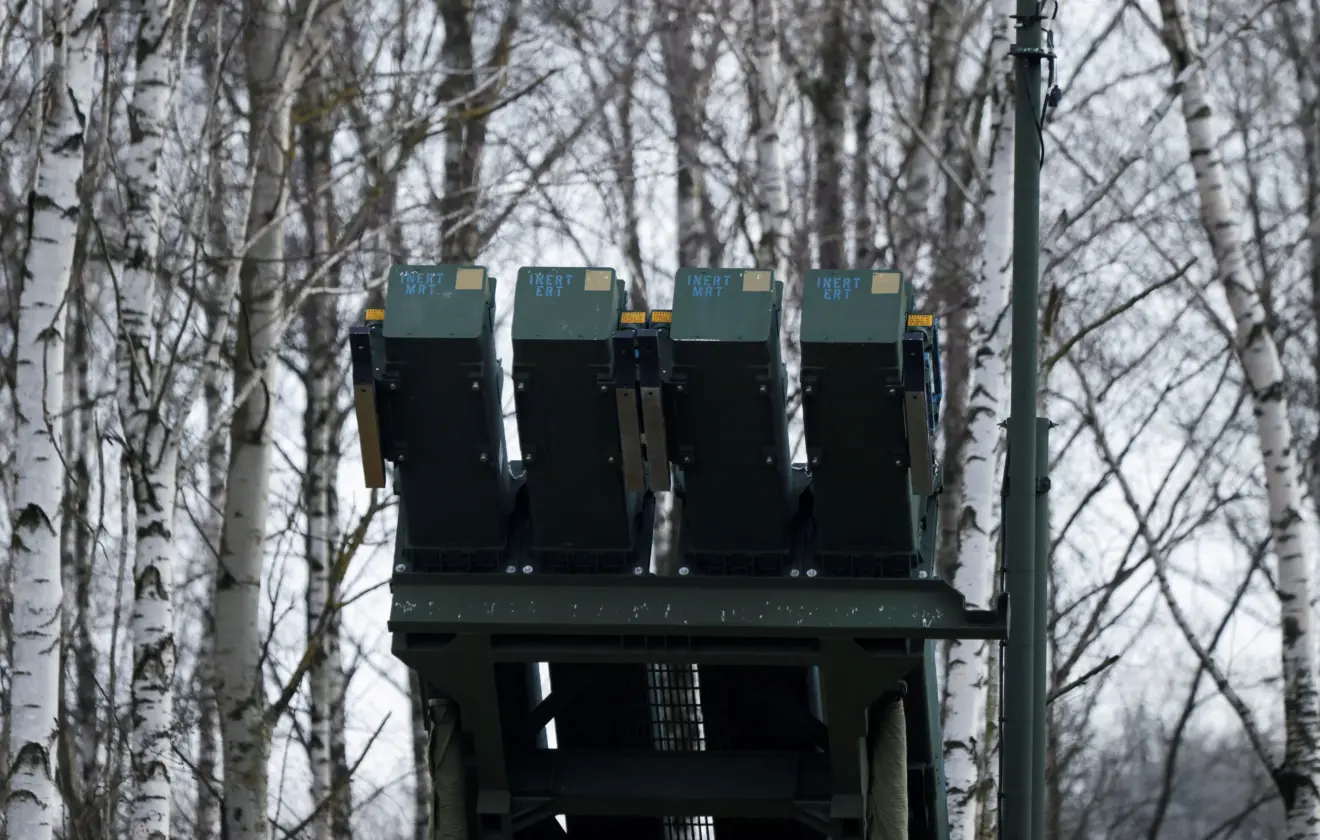
WASHINGTON, Oct 31 – The United States State Department said on Friday it has approved the sale of 500 Patriot interceptor missiles to Ukraine, in a deal worth an estimated $2.1 billion.
It’s one of the biggest steps Washington has taken to supply Kyiv with defensive weapons since President Donald Trump returned to office for his second term. The missiles are the latest version of the Patriot interceptor, known as the Patriot Advanced Capability-3 Missile Segment Enhancement.
Ukraine has long said it urgently needs more interceptors to shoot down the growing waves of missiles that Russia fires at the country. The Patriot system is the most effective weapon it has against fast-moving ballistic missiles.
The need was clear again this week. On Thursday, a Russian drone hit a crowded rail platform in the city of Dnipro, killing at least 14 people. Five more people died in daytime strikes on two other regional cities, and a late-evening missile strike killed one person in Kyiv, officials said.
On Monday, Ukrainian President Volodymyr Zelenskiy said his country had been waiting nearly a month for the United States to sign off on key missile supplies, while Russia stepped up its attacks on energy and civilian sites. He has said Ukraine received an average of only about 12 Patriot missiles a month this year.
Delays in missile deliveries have added to strains between Kyiv and Washington. Those tensions grew after Trump announced a diesel deal with Russia and criticized Volodymyr Zelenskiy over Ukraine’s refusal to stop attacking Russian oil refineries.
Even with Friday’s approval, Ukraine isn’t likely to get the missiles any time soon. Weapons sales usually take years to complete. Two people briefed on the decision said the missiles haven’t been built yet, and aren’t expected to be delivered until a couple of years into the 2030s.
Volodymyr Zelenskiy welcomed the approval, but warned that deliveries “can begin only in a few years.”
Ukraine’s Defense Ministry is pressing the Pentagon to speed things up, one of the people said. One option is to provide Kyiv with missiles already held in the American stockpile, then replace them later with the newer models.
It’s also worth noting that the approval isn’t a signed contract. Congress has to be notified, and a final deal still has to be agreed.
The United States won’t be paying for the missiles. Ukraine will fund the purchase with money from Canada, Germany and Norway, channeled through a program called JUMPSTART, along with national funds backed by the European Union’s Ukraine Support Loan, the State Department said. It added that no extra American government or contractor staff will need to go to Ukraine.
The JUMPSTART program uses money from allies to buy weapons, services and training for Ukraine, according to a Pentagon website. In August, the fund was used to purchase 3,350 air-launched cruise missiles worth $825 million from Zone 5 Technologies and CoAspire.The deal also includes spare parts, logistics and software support for the missiles, the State Department said. It said the sale would improve Ukraine’s ability to defend against current and future threats.
Lockheed Martin is the main contractor for the sale.
The approval comes amid growing concern about American weapons stocks. The United States has sent large amounts of weapons to its allies, while also using munitions in its own military operations against Iran. That has raised questions about supplies of key air defense and precision-guided weapons.
In July, the United States Army gave Lockheed Martin a contract worth up to $58.6 billion to produce Patriot interceptors.
Lockheed Martin has said that deal will let it keep its promise to triple production of these missiles by the end of 2030. It also plans to expand jobs at its plant in Camden, Arkansas, by 50%, to about 1,850 from 1,200. The company has previously said Patriot interceptor production will rise to 2,000 a year.
Pentagon negotiators are pushing weapons makers to move much faster. Tentative production deals struck earlier this year are at the center of efforts to boost missile output.