US carries out defensive strikes on Iran’s Qeshm Island a day before midterms
American officials say the strikes answered Iranian missile fire and do not mean a return to full combat. The attack came the same day Vice President JD Vance spoke of progress in talks.
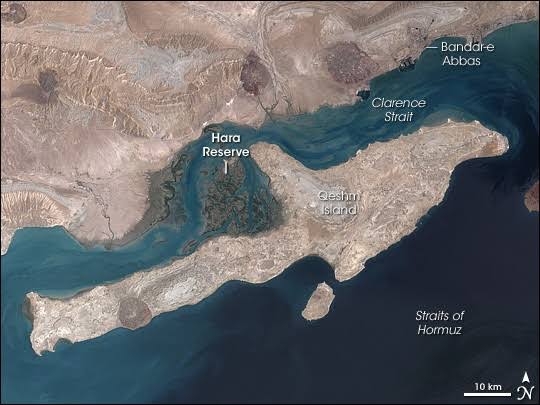
WASHINGTON, Nov 3 – The United States carried out limited Strikes on Qeshm Island in southern Iran late on Monday, American officials said, hours before voters went to the polls in the midterm elections.
The officials called the strikes defensive. They said the action was not a return to major combat.
One United States official, speaking on condition of anonymity, said the strikes targeted Iranian forces using surface-to-air missiles against American assets. Officials quoted by CBS News and Fox News said the strikes came after Iran’s Islamic Revolutionary Guard Corps fired on a United States aircraft.
The Wall Street Journal first reported the strikes. The newspaper said they were the latest in a series of smaller attacks on Iran in recent weeks that the administration hasn’t made public. Officials told the paper the attacks were kept quiet so they wouldn’t signal a plan to restart the full military campaign.
Some officials said the operations also aim to stop Iran from threatening commercial ships in the Strait of Hormuz.
The Pentagon referred questions to United States Central Command, which oversees American forces in the Middle East. Central Command didn’t respond to requests for comment.
In Iran, the state-run Islamic Republic News Agency reported several explosions on Qeshm Island on Monday evening. Local outlets said the cause was unclear. Iranian news agencies later reported blasts in southern Iran early on Tuesday, including in the coastal city of Bandar Lengeh.
Iranian officials have not publicly commented on the strikes. No casualties have been reported.
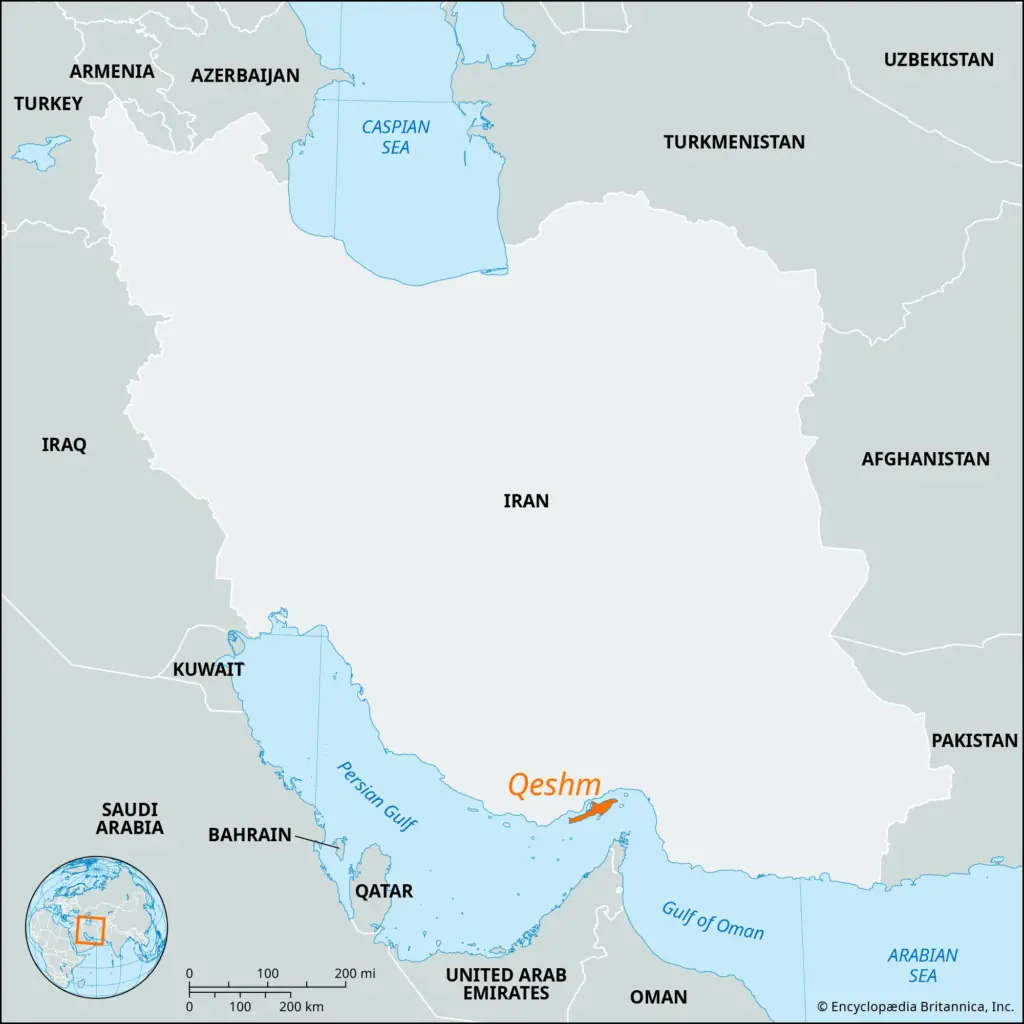
Qeshm is Iran’s largest island. It sits at the mouth of the Strait of Hormuz, and Iran has used it in the past to launch attacks on ships in the waterway. The United States has struck the island several times during the war, which began when the United States and Israel attacked Iran in February.
If confirmed, Monday’s strike would be the first publicly known U.S. attack on Iran in weeks.
Open fighting between the two sides has largely stopped. However, Iran continues to keep the strait closed by targeting tankers, container ships, and other vessels attempting to pass through.
The strikes on Qeshm Island came on the same day that Vice President JD Vance expressed optimism about diplomacy. Vance said he and President Donald Trump feel confident about the prospects for a negotiated agreement.
“We’ve certainly made some progress,” Vance told reporters.
Tehran has confirmed that it is holding indirect talks with Washington. Iranian Foreign Minister Abbas Araghchi told the Islamic Republic News Agency that “very intensive” talks are under way through mediators.
Araghchi also said Iran is more ready than ever before for either a diplomatic or a military outcome. It’s up to the United States, he said, to choose between negotiation and military aggression.
Trump has hinted for weeks that he could restart attacks after the midterm elections. On Monday, he seemed to step back from that.
Asked by a reporter whether he planned to resume strikes after Tuesday’s vote, Trump said no. He also told the news site Axios that he was in no hurry, saying the United States had crippled Iran financially.
But in an interview with Fox News on the eve of the vote, Trump said the United States might need to strike Pickaxe Mountain, a site linked to Iran’s nuclear program. He said such a strike wouldn’t be a big deal and could be done in one hour.
Speaking to Fox News just hours before polls opened, Trump sought to minimize the conflict and its economic consequences.
“There’s no war raging,” he said. While warning that fighting could resume if Iran failed to agree to a deal, Trump insisted that Tehran was eager to reach one.
He also pointed to Monday’s sharp decline in oil prices, which came as his administration pushed new diplomatic efforts to end the conflict.
The issue of fuel costs has taken on major importance in the midterm elections. Gasoline prices surged after the war began, and polls indicate that voters may hold Trump’s Republican Party responsible for the higher cost of living.
Trump’s approval ratings have slipped as well, and he is facing pressure from members of his own party to bring the war to a close.
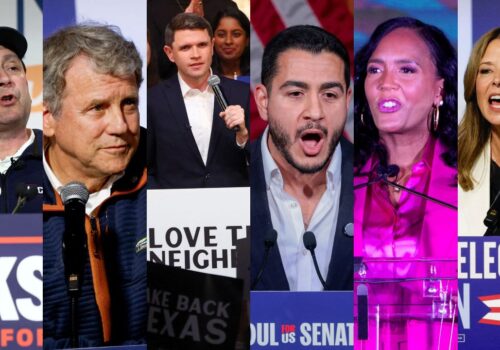
Americans were voting on Tuesday in elections that will determine control of both chambers of Congress.