Texas Senate race leaves Republicans fearing first statewide loss since 1994
Democrat James Talarico and Republican Ken Paxton are close to even in the final polls. Senator Ted Cruz has warned that his party could lose every statewide race in the state.
AUSTIN, Nov 3- The Texas Senate race is going down to the wire, and on Tuesday the people of Texas get to decide it. For the first time in a generation, Republicans are not sure they will win it.
On one side is James Talarico, a Democratic state lawmaker. On the other is Ken Paxton, Texas’s Republican attorney general, who has the backing of President Donald Trump.
It has been decades since a Democrat won a statewide race in Texas. The last such victory came in 1994, and the state has not sent a Democrat to the U.S. Senate since 1988.
That history makes the warning from Senator Ted Cruz especially striking. Cruz, one of Trump’s closest allies, has held his Senate seat since 2013.
Speaking on his podcast in the final days of early voting, Cruz said he was deeply concerned about his party’s prospects. He described the Texas races as extremely close and warned that Republicans could lose every statewide contest, including the governor’s race.
“We could lose Texas,” Cruz said.
His comments reflect growing concern among Texas Republicans, who have watched Democrats make inroads in the state’s rapidly expanding urban and suburban communities. A Democratic win in any major statewide race would represent a significant political shift in a state that has long been a Republican stronghold.

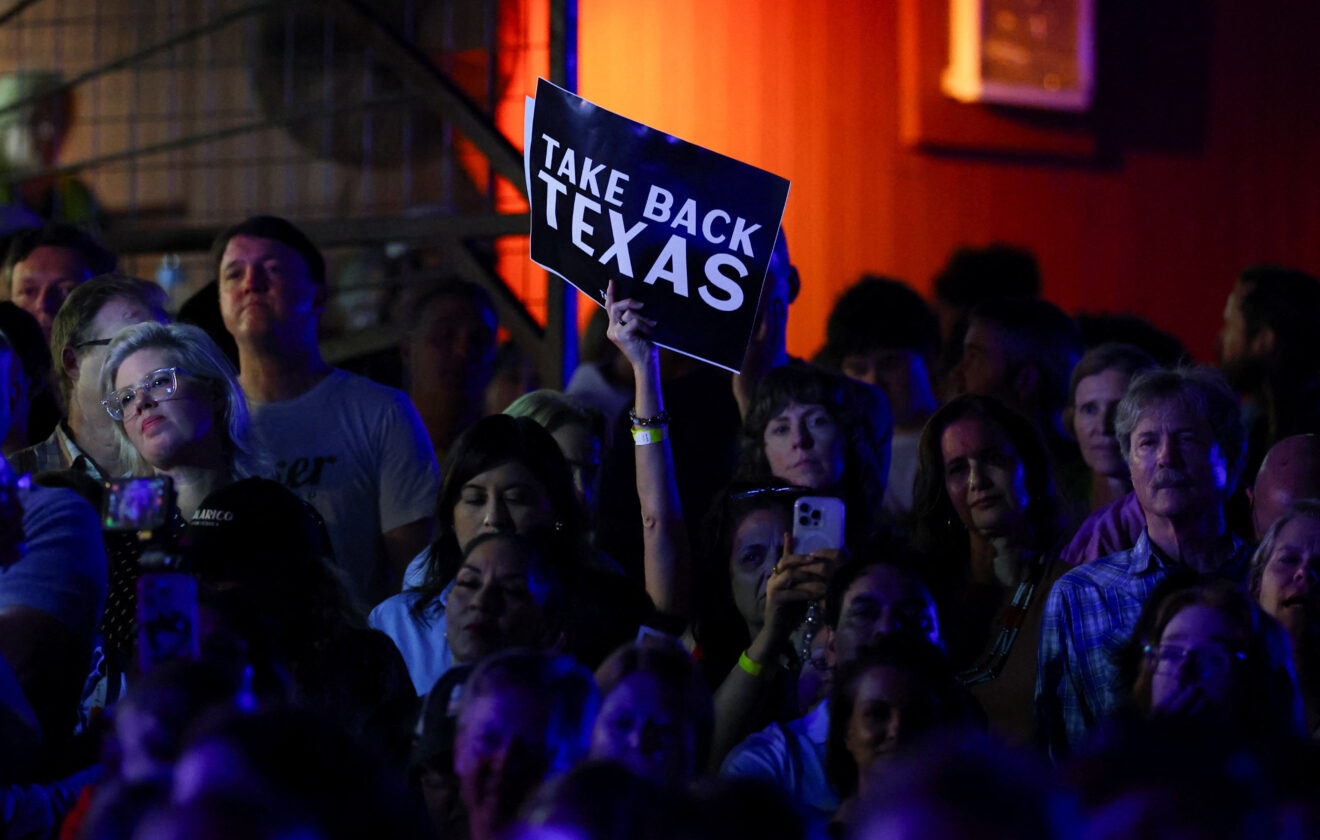
Democratic US Senate candidate from Texas James Talarico waves at the final rally of his campaign, ahead of the midterm elections, in Austin, Texas, US, November 2, 2026. REUTERS
Cruz did not limit his warning to Texas. He said Republicans could lose as many as eight Senate seats nationwide if Democratic voters turn out in large numbers while Republican voters stay home.
He is not alone in expressing that fear. Steve Bannon, a former White House adviser, and Dan Patrick, Texas’s lieutenant governor, have voiced similar concerns. In early October, State Representative Briscoe Cain said that if the election had been held the following day, Democrats would win every statewide race.
The polling supports those worries. Most surveys show Talarico and Paxton separated by only a point or two. A recent Quantus Insights poll put Paxton ahead by roughly one point, while a Fox News poll showed the two candidates tied. Other surveys have given Talarico a slight edge.
The final New York Times/Siena College poll gave Talarico his largest lead, at seven percentage points.
The race is also among the most expensive in the country. Talarico has raised substantially more money than Paxton, but outside groups backing Paxton have spent heavily on advertising to close the financial gap.
Turnout in Texas has been unusually high. More than six million Texans voted before Election Day. In Harris County, which includes Houston, the first day of early voting set a record for a midterm election.
For Democrats, the rising cost of living is central to their argument. Prices continue to climb, and gasoline became more expensive after the United States and Israel went to war with Iran in February. Many voters also blame Trump’s tariffs for keeping prices high.
Beau Rothschild, a Republican strategist, acknowledged that high prices are a problem for his party nationwide. However, he argued that Democrats have failed to offer a concrete plan and are relying largely on voter anger toward Trump to carry them to victory.
Rothschild still expects Paxton to win, though he believes the margin will be closer than the Paxton campaign would prefer.
“Republicans cannot afford to take anything for granted,” he said.
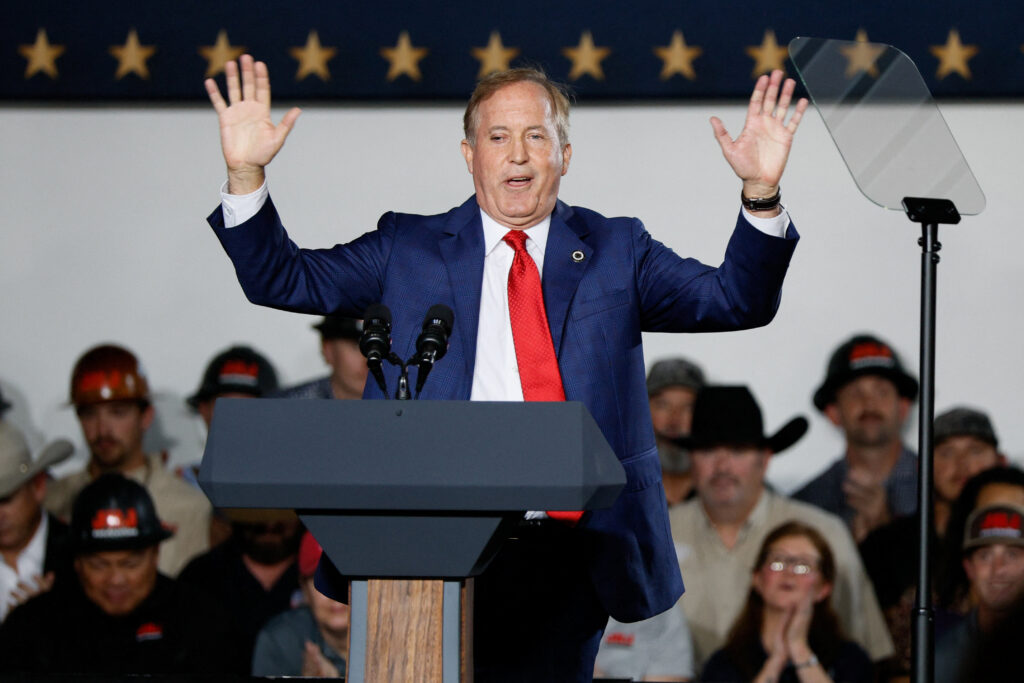
Republican candidate for US Senate from Texas, Ken Paxton, Texas, US, October 29, 2026. REUTERS
To secure victory, he said, Republicans need strong turnout in rural areas and a solid performance in suburban communities. He noted that early voting figures suggest Republicans are performing better in some of those areas than they have in previous election cycles.
Democrats see a state that is changing. The suburbs surrounding Dallas, Houston, and Austin have expanded and become more diverse, narrowing Republican advantages in once-reliable areas. Rural Texas remains predominantly white and continues to vote Republican.
More than four in 10 Texans are Hispanic or Latino. Trump performed well among Hispanic voters in 2024, but Chris Lapetina, a Democratic strategist, said many have since turned away from him. Like other Americans, he said, they are frustrated by the economy, and many believe Trump has gone too far on immigration.
“Texas is changing demographically,” Lapetina said.
He added that many people who moved to Texas during the pandemic, including some from California, brought their political preferences with them.
If Democrats win control of Congress, Lapetina said, they will work to restore federal health care funding that Trump cut. They also plan to link the war in Iran to rising prices in an effort to turn public opinion against it.
Polling shows Talarico performing strongest among women, independents, and Hispanic voters, while Paxton leads among men and voters in suburban and rural areas.
The outcome in Texas carries significance well beyond the state. Republicans hold 53 seats in the Senate, and Democrats need to gain four more to take control. A Talarico victory would be a major step toward that goal and would signal a dramatic shift in one of the country’s largest Republican-leaning states.
Polls close at 7 p.m. in most of Texas, with the final results likely to depend heavily on turnout in the state’s fast-growing suburbs and its traditionally Republican rural regions.