Russia Agreed to Supply Iran With 90 Missile Launchers
The launchers fire a missile that Russia has used a lot in Ukraine. It is not clear if they ever reached Iran, and Moscow says it is not arming Tehran for the war.
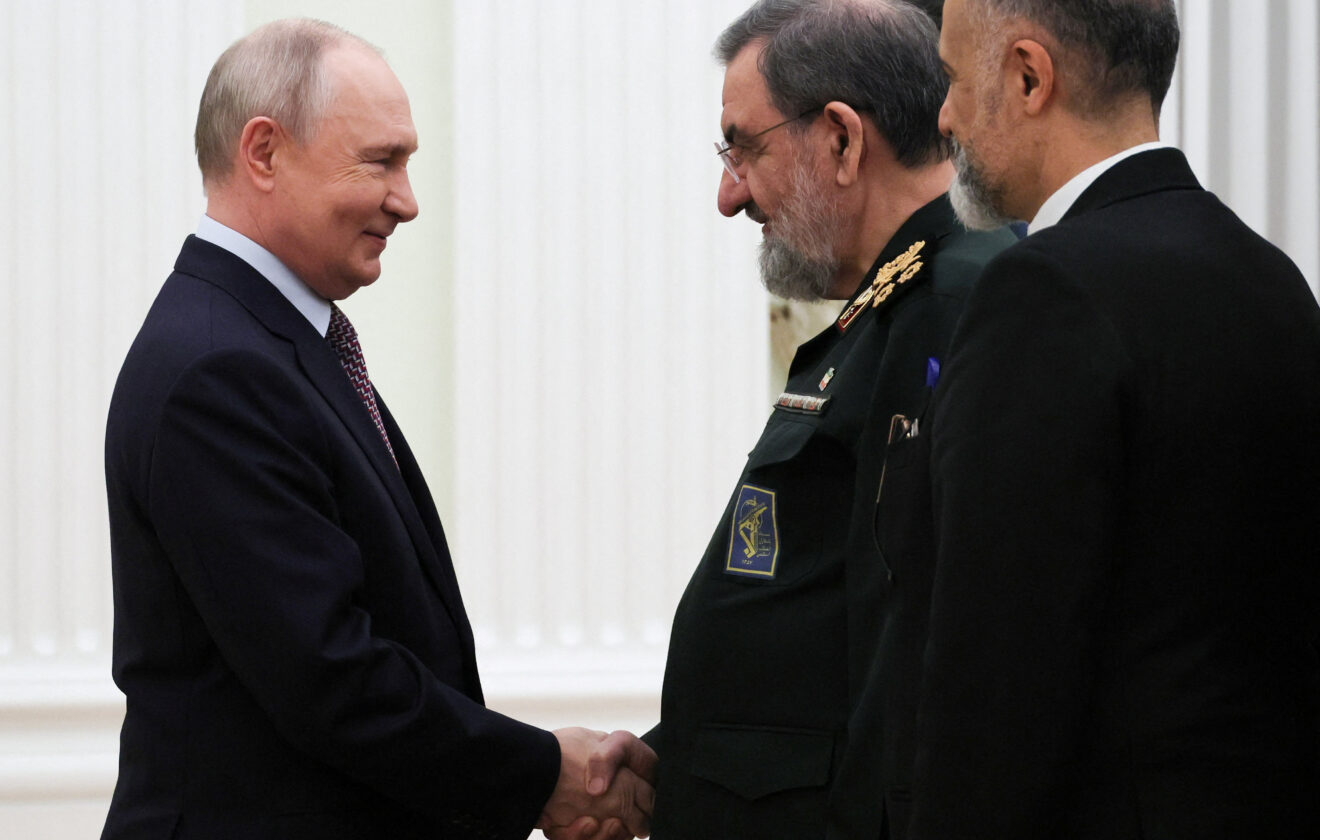
LONDON, Nov 6 – Russia agreed to send Iran 90 missile launchers for its attack helicopters, according to papers from inside Russia’s arms industry. It is one more sign of how close the two countries have become.
The papers came to light this week. A small intelligence group in Ukraine got hold of them and passed them to two British newspapers, the Financial Times and the Guardian.
The launchers are designed for a missile called the LMUR, which is fired from a helicopter and can strike moving targets. The operator can guide it in flight and redirect it to a new target if necessary. Russia has used the missile extensively in Ukraine since 2022.
One of the documents is a work plan from May 2024, issued by a leading Russian missile manufacturer. It lists an order for 90 launchers for a buyer identified as “K-10.” Other files indicate that K-10 is the code name Russia’s state arms-export agency uses for Iran.
The plan called for the launchers to be delivered between late 2024 and the end of 2025. However, the documents do not state whether the shipments actually took place, leaving that question unresolved.
There is, however, a clue. The same files contain a second plan for six jet trainers intended for Iran in 2023. That plan matches reports from the time, when Iran did receive those aircraft.
Each launcher can be mounted on Russia’s Mi-28 attack helicopter and carries two missiles. Iran operates that helicopter: Iranian officials said in late 2023 that the purchase deal had been completed, and a photograph released in January showed one at an air base in Tehran.
The papers also show how hard it has been for Russia to keep up. In a letter from May 2024, the missile maker warned that it was short of key parts. It said this could hold up the launchers and put other deals at risk.
This is not the first time news has come out about Russian help for Iran.
In September, the Financial Times reported that Russia had been quietly helping Iran develop an extremely fast cruise missile. According to the newspaper, the work began in 2023 and continued through this year’s war involving Iran, the United States, and Israel.
The goal was to create an engine capable of propelling a missile at several times the speed of sound. Such a missile would give US warships far less time to intercept it. The report said Russian experts traveled to Iran repeatedly to provide assistance and review the results of its tests.
A former US intelligence officer who specializes in Iran said the project could give Tehran “a qualitatively new strategic weapon system capable of threatening US Navy vessels.”
So far, however, there is no evidence that Iran has such a missile ready for deployment. It has built and tested the engine, but that appears to be the extent of its progress.
Earlier this year, the newspaper also reported that Russia had agreed to sell Iran thousands of shoulder-fired air-defense missiles.
The assistance flows in both directions. Iran supplied Russia with large numbers of Shahed drones for use in Ukraine and later helped Moscow learn to manufacture them domestically.
European intelligence agencies say Russia has also shared data and satellite imagery with Iran that could help it target US forces in the Middle East. They have warned that Russia was preparing to supply Iran with explosive-laden drones as well.
That is not how President Donald Trump sees it. Last month, he wrote that Russia was doing “very little, if anything” to assist Iran, adding that he did not want to alienate Moscow from talks aimed at ending the war in Ukraine.
Russia denies sending weapons to Iran for the conflict. The two countries signed an agreement in 2025 to cooperate against shared threats, but the pact does not obligate either side to defend the other.
Even so, their contacts have been frequent. Senior officials from both countries met three times in October.
Many analysts view Russia as one of the major beneficiaries of the war in Iran. Rising oil prices have generated additional revenue for Moscow’s war effort in Ukraine. At the same time, the conflict has diverted global attention and weapons, including air-defense missiles urgently needed by Kyiv, away from Ukraine.
But not everyone believes Russia’s role has been decisive. One regional expert said Moscow is attempting to assist Iran without damaging its relationships with Washington or other Middle Eastern governments.
“Russia still has certain red lines when it comes to its involvement,” said Hanna Notte. In her view, the assistance has been useful to Iran but has not altered the course of the war.