JD Vance Breaks With Iran War, Saying It Cost Republicans Control Of Congress
The vice president said the war was the reason Republicans lost and called earlier advice to end it sound. Many senior White House staff were caught off guard.
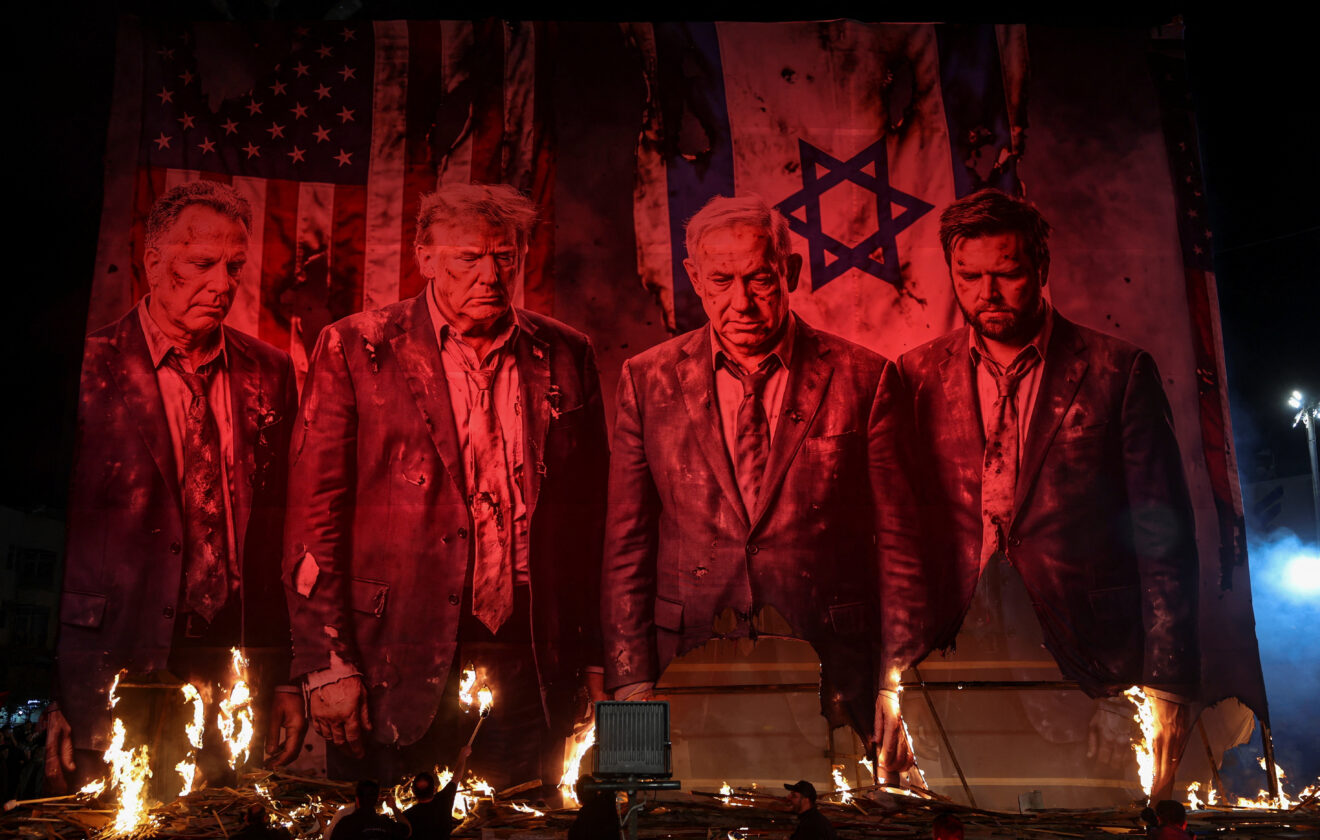
WASHINGTON, Nov 5 – Vice President JD Vance has publicly distanced himself from the war with Iran. He questioned whether it was worth the cost and blamed it for the Republican defeat in Tuesday’s midterm elections, which handed Democrats control of both chambers of Congress.
Vance made the comments in a post on X on Wednesday. It was a rare public break by a sitting vice president with a war launched by his own administration.
“The reason we lost is the war,” Vance said.
He dared anyone who disagreed to argue that the war had been worth losing the Senate for the next six years. He also said an earlier recommendation to end the war had been “sound advice.”
The remarks could make it harder for the administration to decide whether to restart major combat with Iran. United States officials told Reuters that such a step is still under consideration.
Many inside the White House did not see the post coming. Some officials were told about it in advance, according to Reuters. But a White House official said most, if not all, senior White House staff were caught off guard.
Some officials and staff saw the post as a break with the president on foreign policy, a White House adviser told Reuters. They also saw it as a public admission that the war has hurt Americans at home, through higher prices.
Vance tried to play down any split. He said the president had also accepted that the war cost Republicans the election.
The vice president is viewed as a leading contender for the Republican presidential nomination in 2028. A person familiar with the matter said his remarks could be interpreted as the beginning of that campaign.
Secretary of State Marco Rubio, another possible contender in 2028, has not said anything in public since the elections.
Vance’s doubts about the war are not new. In the weeks before the United States and Israel launched their strikes on February 28, he was the only senior official to voice strong skepticism, according to a report in The New York Times.
He warned that a war could bring chaos across the region and heavy casualties, the newspaper reported. He also worried that many of Trump’s own supporters would see it as a betrayal. Once it was clear the strikes would go ahead, he urged the use of overwhelming force to finish the job quickly.
Last month, he went further. At a CBS News town hall in October, Vance was questioned by Joey Amor, whose wife, Master Sergeant Nicole Amor, was killed in an Iranian strike on a military site in Kuwait.
Vance told him there had been “a lot of mistakes and a lot of fundamental failures” in the way the war was handled. He said some information had not reached him and pledged to take every failure seriously.
He has also taken a bigger role in talks with Tehran in recent weeks. Late last month, he wrote a letter to Iran’s security chief, Mohsen Rezaei. The New York Times and The Wall Street Journal described it as an effort to see whether talks could be restarted.
Iran’s foreign minister, Abbas Araqchi, said Tehran was studying the letter. On Monday, the day before the vote, Vance said he felt good about the chances of a deal.
But there has been little sign that Iran will accept American demands, including that it stop enriching uranium entirely. Mediators have stepped up their efforts amid fears that fighting could start again now that the elections are over.
Vance’s post moved markets. Oil prices fell more than 8 percent on Wednesday after he blamed the war’s effect on fuel prices for the Republican losses, as traders bet the conflict could wind down.
The war has turned into a stalemate. An April ceasefire failed to produce a peace deal, and Iran has since recovered some of its buried weapons and kept up threats to shipping in the Strait of Hormuz.
United States intelligence assessments in recent months have found that new strikes would not fundamentally change Iran’s position in talks or bring down its government, according to a United States intelligence official and two other officials briefed on the findings.
Vance, 42, was a senator from Ohio before he became vice president. He built his political career in part on doubts about long wars abroad, and he has often spoken of his own service as a Marine in Iraq.