Houthi Advance on Aden Hits 80 kilometers Mark for First Time Since 2015
Houthi fighters have taken a mountain district in Lahj province and are fighting at one of the main gateways to Aden. It is their closest approach to the city in more than a decade.
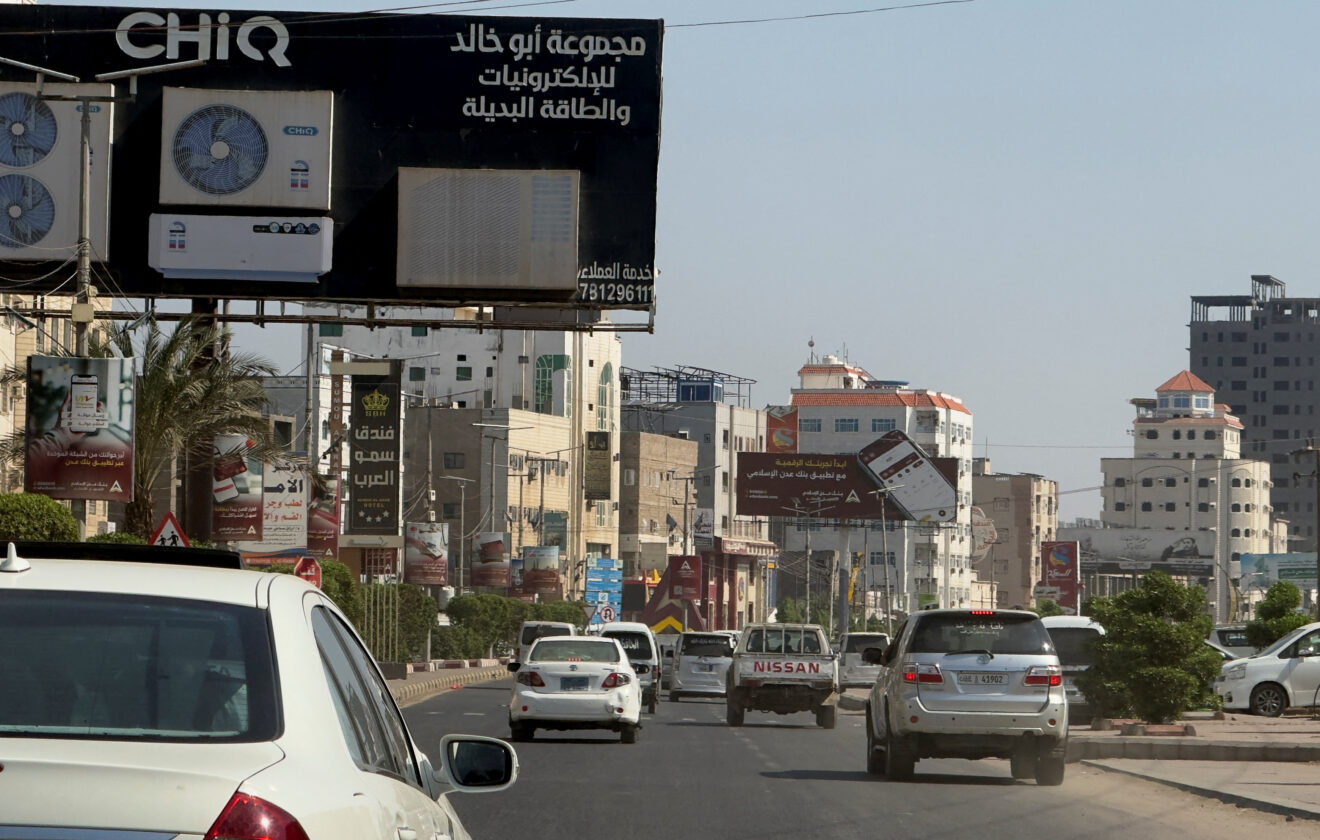
ADEN, Nov 3 – A Houthi advance has brought the Iran-aligned group to within 80 kilometers (50 miles) of Aden, according to four military sources on Monday. Aden serves as the main stronghold of the internationally recognized government.
The Houthis have not come this close to Aden since the early months of the war in 2015, when they briefly entered the city before being driven out.
The group launched an assault on government positions in Al-Maqatirah district in Lahj province three days ago. Since then, the Houthis have taken the whole district, the sources said, and forced government troops to fall back toward Tur al-Bahah.
Al-Maqatirah is a mountainous area that commands a view of the road connecting Aden with Taiz, Yemen’s third-largest city.
On Monday, fighting was reported at a military camp near the entrance to Tur al-Bahah district, one of the main routes leading into Aden. The camp is located roughly 50 kilometers from Lahj, the provincial capital.
Houthi official Hamid Rizq shared a video that he said showed the group’s fighters entering Souq al-Rabouh, a market in Al-Maqatirah. The footage has not been independently verified.
Yemen’s information minister did not immediately respond to a request for comment.
Dozens of fighters on both sides were killed or wounded in the first day of fighting in Al-Maqatirah, according to the Emirati outlet Al-Ain. Coalition warplanes struck Houthi positions in the area, the outlet reported.
The road through Al-Maqatirah has been the last link between government-held territory and Taiz during the war. Losing it would leave the city even more cut off.
Taiz has been encircled since early October, when the Houthis cut its main road south to Aden. The siege has displaced more than 100,000 people and caused shortages of food, fuel and medicine.
The United Nations humanitarian office said in late October that almost 260,000 people have been displaced in Yemen since August. About half have sought refuge in Taiz, it said.
The Houthi advance on Aden also gives the group a chance to outflank government forces along the mountain range above the Bab el-Mandeb Strait, the military sources said. Government troops had driven Houthi fighters out of that area only weeks ago.
The latest push follows a wider offensive that began in September. The Houthis swept down Yemen’s Red Sea coast and seized territory along the Bab el-Mandeb Strait.
The strait is one of the world’s busiest shipping lanes. It’s also a key route for Saudi oil exports to Asia.
Houthi attacks on Aden itself have grown in recent weeks. The group struck Aden airport on Wednesday after telling people to leave the area. In mid-October, Houthi missiles hit the presidential palace in the city, killing several people, according to local officials.
The fighting has opened a new front in the wider war on Iran, which began when the United States and Israel attacked the country in February. It has pulled both the Houthis and Saudi Arabia deeper into the regional conflict.
Saudi Arabia backs Yemen’s government. The Houthis have stepped up attacks on the kingdom, and the Saudi-led coalition has answered with more strikes on Houthi positions.
Over the weekend, Houthi military spokesman Yahya Saree claimed drone strikes on Dammam Airport in eastern Saudi Arabia. The claim hasn’t been confirmed. Coalition spokesman Turki al-Malki said forces intercepted and destroyed two drones in the Riyadh area.
The coalition also carried out strikes on Ras Issa port and an oil facility in Bajil district, both located in Yemen’s Hodeidah province, according to the Houthis. The coalition described the operation as a precise strike targeting resources used by the group.
Houthi officials said seven people were wounded in the attacks. Anees Alasbahi, a spokesman for the Houthi-run health ministry, condemned the strikes on ports and oil sites as “a flagrant violation of international humanitarian law.”
The latest violence has shattered a truce brokered by the United Nations in 2022. That agreement had largely halted major military operations in a conflict that began in 2014, when the Houthis seized the capital, Sanaa, and forced the internationally recognized government from power.
The Houthis continue to control Sanaa and much of northern Yemen, while the government has operated from Aden as its temporary capital since 2015. The renewed strikes raise fears that the country could slide back into a wider war, worsening an already severe humanitarian crisis and threatening shipping routes in the Red Sea region.