Ukraine Says Russia Used Oleshky Ceasefire to Reinforce Troops
The six-day truce let aid in and civilians out of the Russian-held town. Now that it has ended, Ukraine’s military warns of heavier fighting in the Kherson region.
KYIV, Nov 2 – Russia’s army used the six-day truce around Oleshky to get ready for more fighting, Ukraine’s military said on Monday, a day after the pause ended.
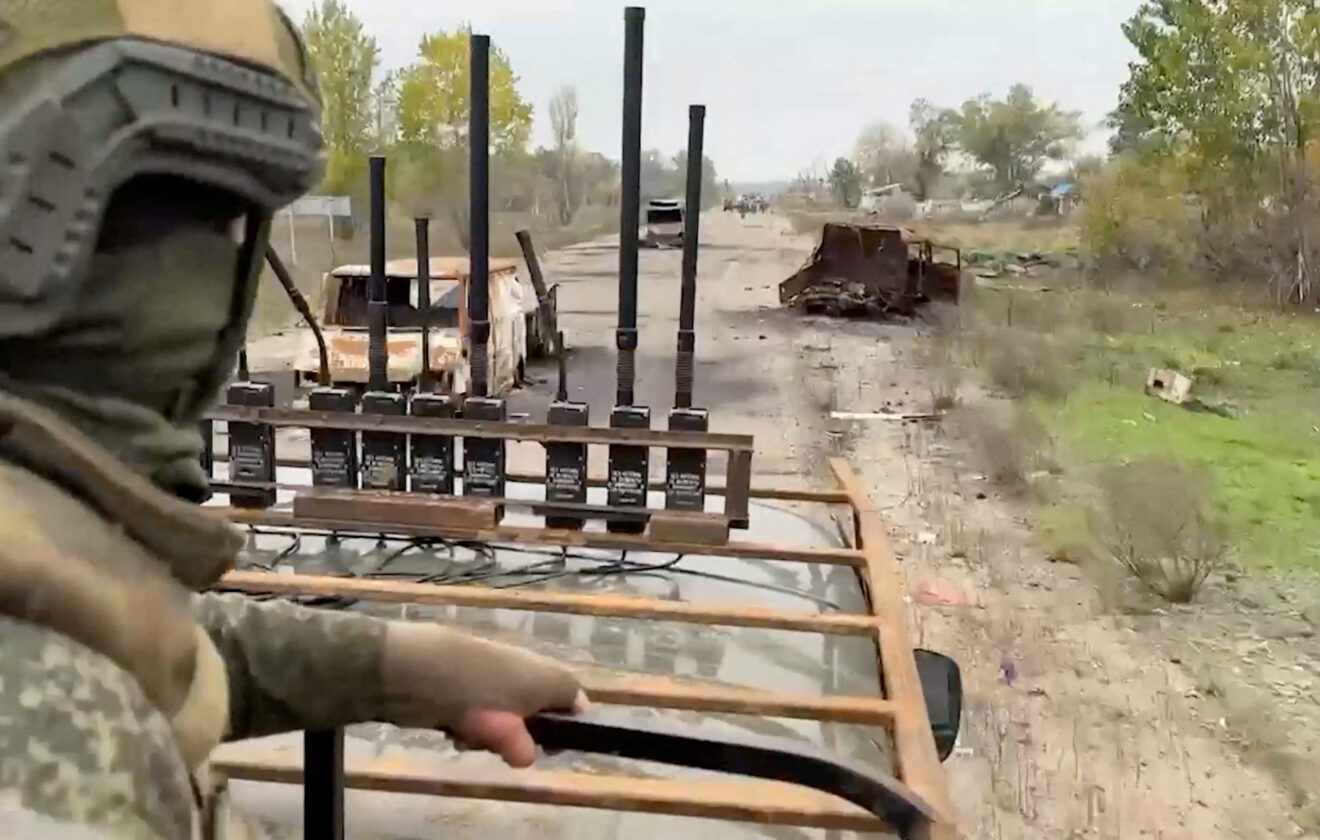
Ukraine’s General Staff said its observers saw Russian units being rotated in and out of the area during the ceasefire. They also saw positions being fortified, more anti-drone protection being put up along roads and a rise in supply runs, including deliveries of ammunition.
The General Staff said Ukraine’s own forces had stuck to the deal and done nothing outside of what was agreed. “The enemy, by contrast, used the humanitarian pause to improve its positions,” it said in a statement on X.
Russia has not commented on the claims.
Sky News, the British broadcaster, aired footage on Monday that it said showed Russian troops bringing heavy equipment and ammunition into Oleshky while the truce was in force. The General Staff did not point to any particular footage in its statement.
The ceasefire was only ever meant to cover a small area. It applied to Oleshky, a town on the east bank of the Dnipro River, and the land around it. Russian forces seized the town soon after they invaded Ukraine in 2022. It sits right across the river from Kherson, a city that Ukraine still holds.
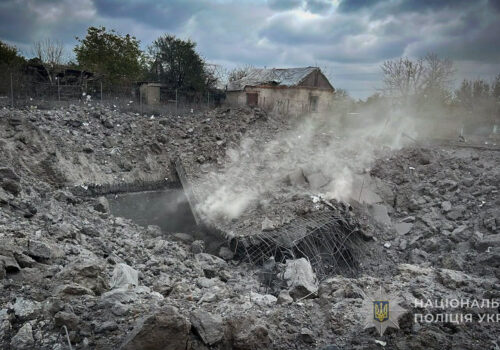
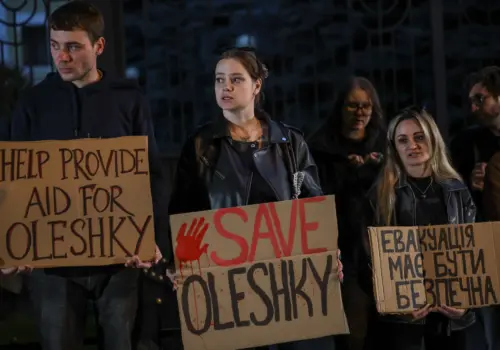
For months, the people left in Oleshky have lived under regular shelling, with little food or medicine. One resident who got out earlier said those still there feared they would starve.
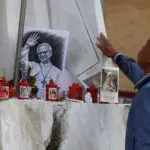
The White House announced the deal on October 23. It said Ukraine and Russia had agreed to stop fighting in the area so that aid could get in and people could leave. Melania Trump, the first lady of the United States, helped broker it. Pope Leo was also involved.
The pause began on October 27, but it took several more days to clear mines from the roads leading into the town. The humanitarian operation itself did not get underway until October 30, when a convoy headed to the town’s main hospital. Aid was distributed, and residents who wished to leave were given a few hours to do so.
The ceasefire ended at 2100 GMT on Sunday. Lasting six days, it was the longest local break in fighting since Russia launched its full-scale invasion of Ukraine.
Melania Trump described the operation as a success. Writing on X on Sunday, she said the mission had delivered essential aid and helped nearly 800 people evacuate. She thanked Russia and Ukraine for working together and expressed hope that Oleshky could mark the beginning of a lasting peace between the two countries.
Getting out was not quick. People heading for land held by Kyiv had to go the long way round. They traveled through Crimea and southern Russia, flew to Belarus and then crossed the border into Ukraine. Some went to Russia instead.
Many people are still there. Ukrainian authorities say about 6,000 people remain in the wider Oleshky community, and 180 of them are children. Some who wanted to leave weren’t able to.
Ukraine’s human rights commissioner, Dmytro Lubinets, said on Sunday that both sides had kept their promises throughout the truce. He added that officials are now assessing whether further humanitarian missions can be arranged.
The fighting nearby didn’t wait long to pick up again. On Monday, a drone hit the center of Kherson, said Yaroslav Shanko, head of the city’s military administration. No one was reported hurt.
Oleksandr Prokudin, the governor of the Kherson region, said on Telegram that Russian forces had attacked 16 towns and villages in parts of the region held by Ukraine in the 24 hours to 0400 GMT on Monday. He said they used artillery, drones and aircraft, and that the city of Kherson was among the places hit.
Ukraine’s 34th Separate Marine Brigade, known as “Borysfen,” posted a video on Facebook warning people in the region to take air raid sirens seriously. The brigade said Russia had used the ceasefire to prepare and build up its strength, and that there are signs the fighting will get worse.
The truce only ever applied to one small stretch of the front. Across the rest of Ukraine, the war went on as usual. On the day the aid convoy was getting ready to leave, a Russian drone hit a crowded platform at the main train station in Dnipro, killing at least 14 people. Other strikes that day killed people in two more regional cities and in Kyiv.
Both sides had reasons to make the Oleshky deal work. Each wants to show President Donald Trump that it supports his push to end the war, though for different reasons. Russian President Vladimir Putin praised Melania Trump’s help last week, and said Russia was working on ways the war might be ended peacefully.
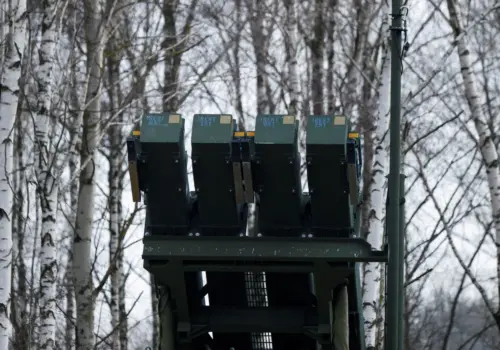
Peace talks brokered by the United States are set to resume next month in Abu Dhabi after a long break. The two sides remain far apart: Russia wants full control of Ukraine’s Donbas region and a guarantee that Ukraine will not join the North Atlantic Treaty Organization, while Kyiv wants continued access to American intelligence and weapons, including Patriot air-defense missiles.