Friedrich Merz Warns “Russia Wants More Than Ukraine” And Is Escalating On A Massive Scale
In a budget speech to the Bundestag, the German chancellor said Russia is raising tensions from the Baltic to outer space. Supporting Ukraine, he said, means protecting Germany.
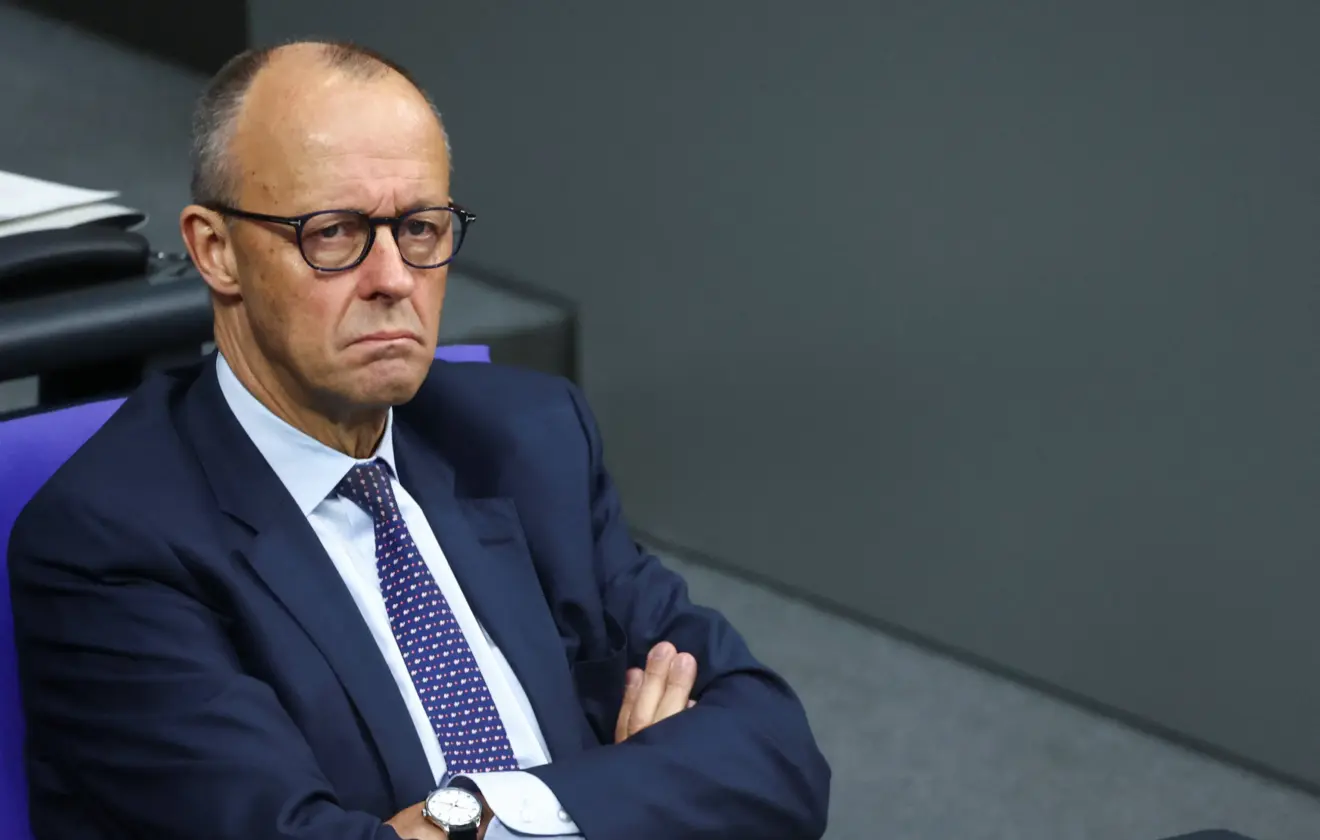
BERLIN, Nov 25 – German Chancellor Friedrich Merz warned parliament on Wednesday that Russia’s ambitions go well beyond Ukraine, telling lawmakers that Moscow is escalating tensions across Europe on a massive scale and that Europeans must set clear limits.
The message was blunt. It came during a wide-ranging speech on the federal budget in the Bundestag, the lower house of parliament, where Merz set out why he believes some costly decisions, especially on defense, cannot wait.
“Russia knows exactly what it wants and Russia wants more than Ukraine,” Merz said.
He said anyone who failed to understand this either did not see the world as it really is, or was pursuing a very different agenda. That agenda, he said, would stand against the freedom, openness and liberal values of Germany itself.
Merz listed the places where he said Russia was raising tensions, naming the Baltic region, Poland and the Black Sea, and he said the pressure now reached even into outer space.
He said Russia was also escalating inside Germany’s own borders, even at the cost of human lives. He did not give details of the incidents he had in mind.
That, he told lawmakers, is why Europeans must and will set clear boundaries for Moscow.
The speech came at the end of a tense week for Europe, with a string of incidents that have put allied governments on edge.
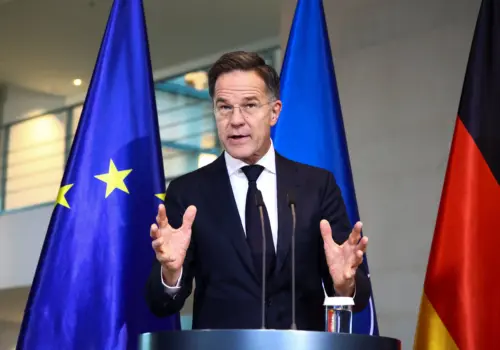
On Monday, the head of the North Atlantic Treaty Organization, Mark Rutte, told allied lawmakers in Berlin that all member states are now targets of hostile acts. He listed arson attacks, drones over airports, sabotage of railways and attacks on computer systems, and he pointed to what he called a dangerous incident in Poland on Friday.
The same day, German media reported that Russia may be preparing to launch a satellite armed with a nuclear warhead within the next two months. Moscow has dismissed the reports as part of a propaganda campaign.
Standing beside Rutte on Monday, Merz did not confirm the reports, but he said they showed how far Russia was willing to escalate the war.
In the Baltic Sea, a Russian cargo ship struck by drones on Saturday was left burning near Finland, and Finland’s military said that Ukraine carried out those strikes.
Merz also looked back at last week’s meeting in Berlin of the so-called Coalition of the Willing, a group of countries pledged to support Ukraine’s security after any ceasefire.
He said the American delegation had seemed clearly surprised by how united the Europeans were on the issue, and that this unity allowed for cautious optimism about the chances of a genuine peace.
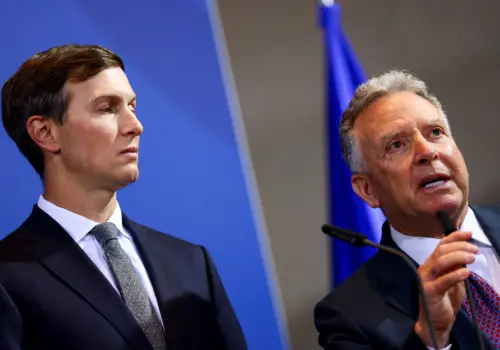
The American envoys Steve Witkoff and Jared Kushner attended that meeting.
Again and again, Merz came back to one central point. By supporting Ukraine, he said, Germany and Europe are supporting and protecting themselves. He added that many people in Germany may not yet fully understand how true that is.
But the speech was not only about the war. Much of it was about home.
Merz also said Germany had neglected basic problems for far too long, from defense and roads to an aging population and a weak economy. He said these were issues that needed to be addressed immediately, and that the budget’s decisions, particularly on defense, were driven by the threat posed by Russia.
Germany has sharply increased its spending on its armed forces in recent years, and in 2025 parliament changed the country’s strict rules about borrowing, so that defense spending above a set level would no longer count against them.
The country has also backed the alliance’s goal, agreed at a summit in The Hague, of spending 5 percent of national output on defense by 2035. Rutte urged allies on Monday to stay focused on that target and to start pulling their weight now.
Germany is one of Ukraine’s largest backers in Europe, providing weapons, air defense systems and financial support since Russia launched its full-scale invasion in 2022.
Peace efforts remain stalled. Neither side has moved. Russian President Vladimir Putin has shown no sign of dropping his demand that Ukraine hand over the whole of its eastern Donbas region, and Kyiv has rejected giving up land.
That is the situation Europe now faces, Friedrich Merz told the Bundestag in his budget speech on Wednesday.