Iran Says It Can Withstand US Naval Blockade As Prices Soar
Iran's first vice president says land borders are making up for the closed sea routes. Inflation is near 89%, and food prices have more than doubled.
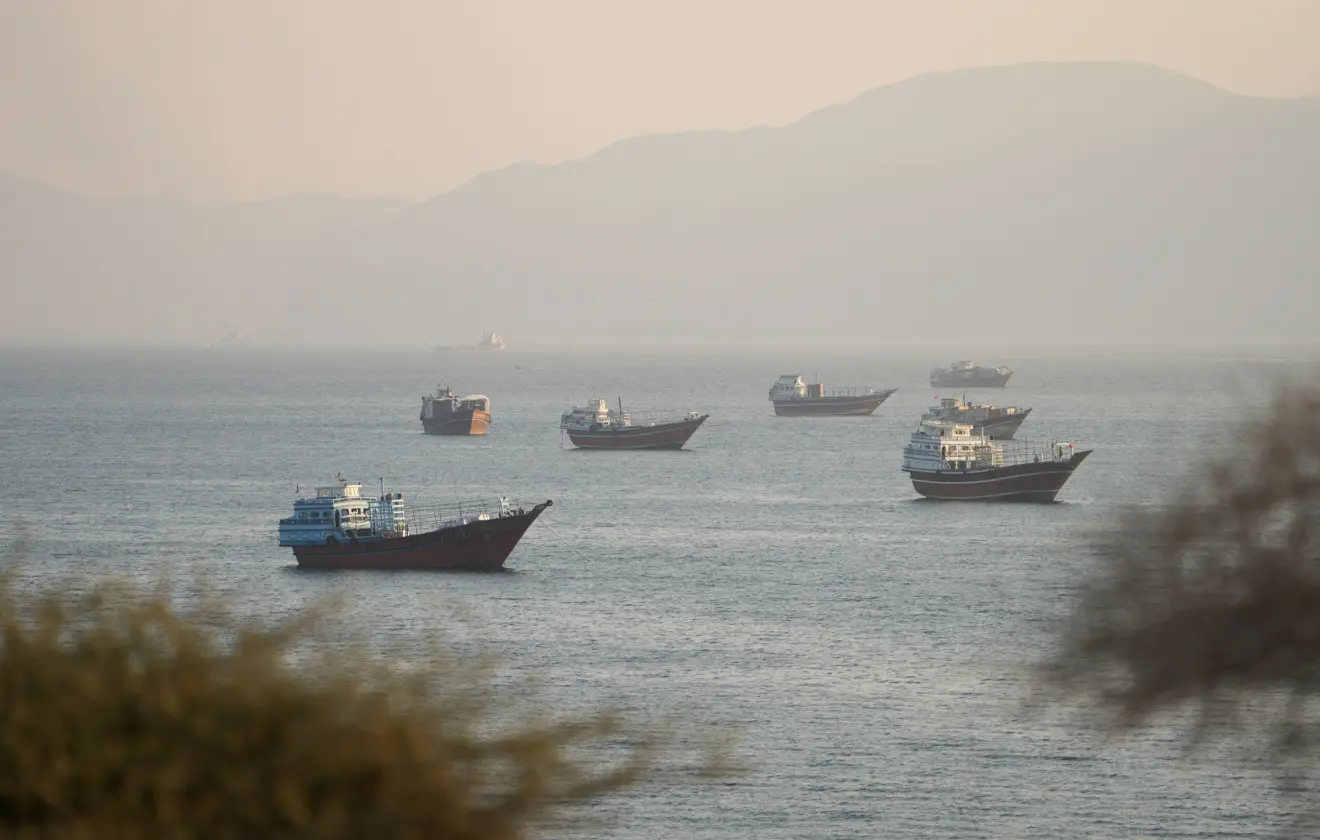
DUBAI, Nov 25 – Iran is not worried about the American naval blockade of its ports because more goods are now arriving through its other borders, First Vice President Mohammad Reza Aref said on Wednesday. The government is also trying to slow soaring prices at home.
“The increase in the unloading and clearance of goods through non-southern borders sends the message that we are not concerned about the enemy’s naval blockade,” Aref said.
He said the country’s reserves of strategic goods were strong, and supplies were plentiful, but he gave no figures.
The government aims to stop the prices of basic goods from rising for at least the next three months, Aref said.
Iran is facing one of the worst bursts of inflation in decades, driven by a war that is now nearly nine months old. Food prices have risen especially fast.
Consumer prices in October were 88.7% higher than a year earlier, according to the Statistical Centre of Iran. Average inflation over the past year climbed to 76.8%.
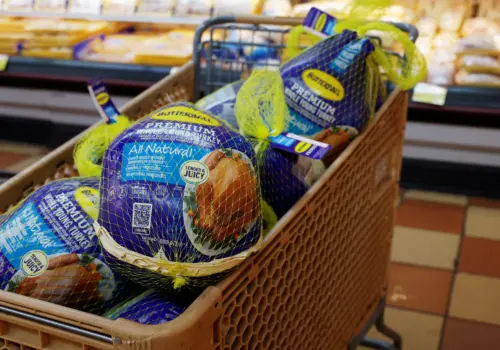
Food is the main worry for many families. The price of food and drinks jumped 112.6% from a year earlier, the statistics agency said.
At a separate meeting, President Masoud Pezeshkian said the government wants to steer more money from the budget, and from energy savings, toward improving living standards in poorer communities.
The United States first imposed a blockade on Iranian oil exports on April 13. It lifted the measure in June after Washington and Tehran reached a draft understanding. But the deal collapsed, and the blockade was restored on July 14.
Earlier this month, the United States went further. It set up Task Force Iron Gate to limit the movement of weapons and sanctioned goods across Iran’s land borders and the Caspian Sea.
Iran has called the blockade an act of war.
“We will definitely not tolerate it,” Foreign Ministry spokesperson Esmaeil Baghaei told his weekly news conference on Monday.
He said Iran would use all its tools to confront what he called American aggression. The naval blockade is considered a military attack, he said, and Iran has the right to use any available means to defend itself.
The naval blockade has hit Iran’s oil trade hard. Visible exports of Iranian crude have fallen to near zero in recent months.
Last week, the tracking service TankerTrackers.com said a tanker was loading Iranian crude in the Gulf through a transfer from another ship. It said the vessel could become the first to export Iranian crude successfully since the blockade was restored in July.
Baghaei dismissed reports that Iranian ships were loading oil as speculation.
Iran, for its part, says it controls passage through the Strait of Hormuz, the narrow waterway at the mouth of the Gulf. A large share of the world’s oil supply normally passes through the strait.
Tehran has said it will reopen the strait only when Washington meets its conditions. Those include an end to hostilities, the lifting of the blockade and the waiving of sanctions.
If the United States meets those conditions, Baghaei said, Iran will be able to carry out its commitments as quickly as possible.
The economic pain is felt across the country. Many Iranians have cut back on essentials as the war takes its toll on the economy, Reuters has reported.
Aref did not say how the government plans to keep prices steady over the coming three months, or how much trade over the land borders has grown.
Washington and Tehran have been in open conflict for most of this year. Efforts to reach a lasting deal have so far failed, and the strait remains closed to normal traffic.
For now, Iran’s southern ports remain under the naval blockade, and the government is relying on its land borders to keep goods flowing.