Xi Hails Comprehensive Turnaround In China-Australia Ties
Xi Jinping says relations with Australia have been transformed since Anthony Albanese took office. Albanese says the two countries will manage their differences but not be defined by them.
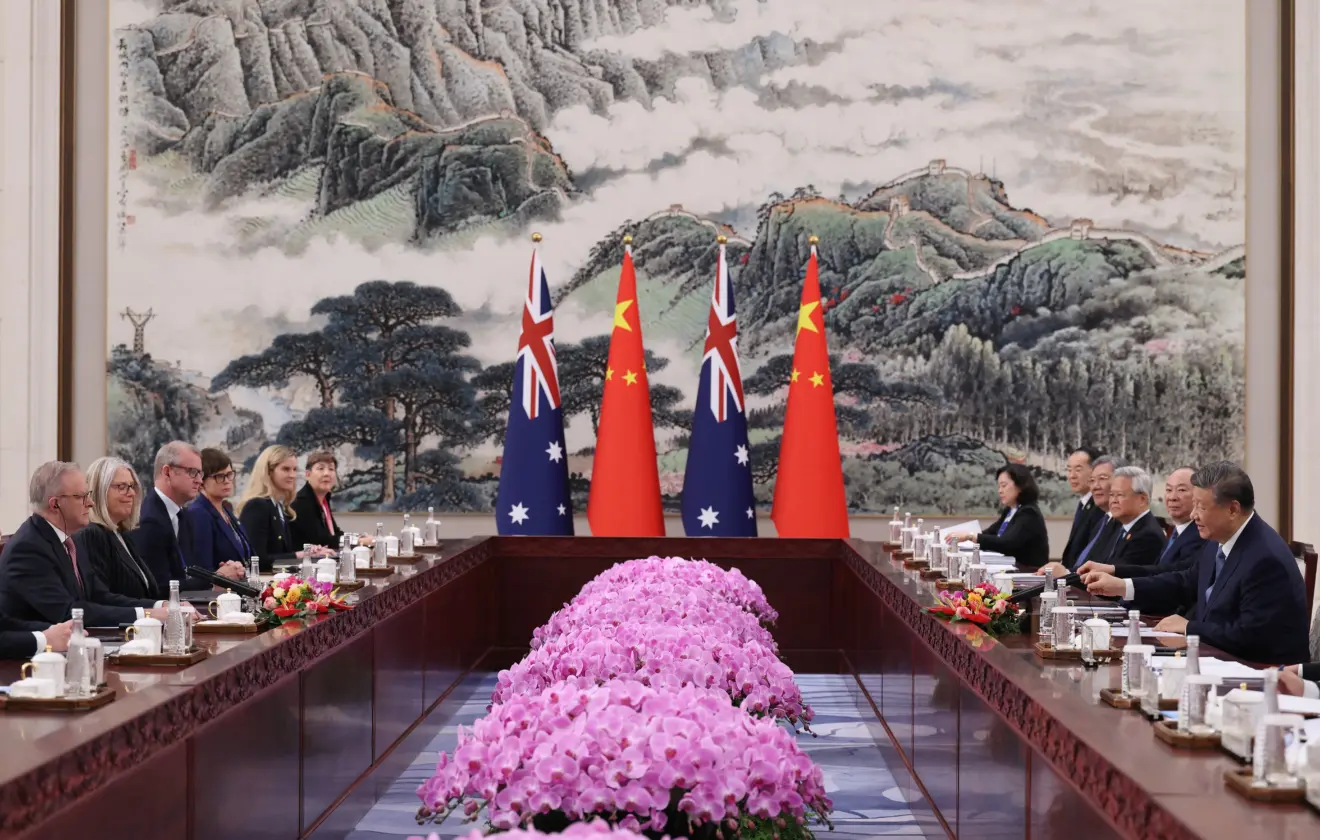
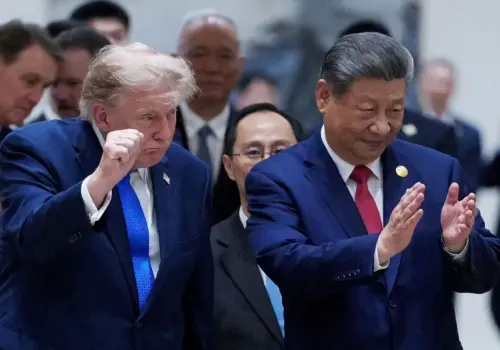
SHENZHEN, Nov 20 – Chinese President Xi Jinping said on Friday that China-Australia relations had undergone a comprehensive turnaround in recent years, after meeting Australian Prime Minister Anthony Albanese on the sidelines of the Asia-Pacific Economic Cooperation summit in Shenzhen.
Xi said the two leaders had met four times since Albanese became prime minister in 2022.
Together, he said, they had “brought about a comprehensive turnaround in China-Australia relations.” He added that exchanges and cooperation between the two countries had continued to grow across a wide range of areas.
Xi said China was willing to work with Australia to expand cooperation, put aside differences and build on recent gains. He said that would take the partnership to a new stage.
He suggested closer cooperation in farming, energy, the green economy and artificial intelligence, according to China’s Xinhua news agency. He also called for more exchanges between the people of the two countries.
Albanese stressed the importance of trade, saying both countries share an interest in open trade which is based on rules and mutual benefit.
He said he had seen more than 200 different Australian products on the shelves of a supermarket in Shenzhen. He said the relationship brings prosperity to both countries.
At a news conference after the meeting, Albanese said the two sides would discuss their differences constructively and directly. He said a stable relationship was in the interests of both nations.
He said it is important for Australia to keep engaging with China, and to “manage our differences, but not be defined by them.” He said they had discussed a full range of issues.
China is Australia’s largest trading partner.
Relations soured badly under Australia’s previous center-right government, which called for an inquiry into the origins of COVID-19. That angered Beijing, which then placed barriers on a range of Australian exports.
Since then, China has lifted many of those barriers. But tensions have flared from time to time.
They include a Chinese missile test into the Pacific, and Beijing’s arrest of Chinese-born Australian citizens on spying charges.
Trade in iron ore is also a growing source of strain. Australia’s biggest miners are in tense talks with China Mineral Resources Group, the state-run buyer of the metal. China has been bringing more of its iron ore buying under one roof, which gives it more power when it negotiates contracts.
Australian Resources Minister Madeleine King said this week that any attempt to manipulate the iron ore trade would break international rules. She said it would also threaten government revenue.
Albanese is due to travel to Beijing later on Friday to meet Chinese Premier Li Qiang.
He will be joined by several top Australian business leaders, including Matt Holcz, head of iron ore at Rio Tinto, and Geraldine Slattery, who runs BHP’s Australian operations. They will take part in a round table with Chinese business leaders.
Albanese’s week in China has drawn attention for other reasons too.
On Thursday, at the summit’s main session, he looked directly at Russian President Vladimir Putin and told him to end the war in Ukraine.
He also faced criticism at home for joining two group photos with Putin at the summit. Leaders of Australia’s Ukrainian community said they were deeply disappointed. Albanese said he took part out of respect for China as the host.
On Wednesday, Albanese called for closer cooperation across the region on artificial intelligence. He said Australia wants to shape the technology rather than be shaped by it.
Before arriving in China, Albanese attended a meeting of the Quad group in Manila, with the leaders of the United States, Japan and India.