Italy general strike brings thousands onto the streets
Thousands of workers and students marched in more than 100 Italian cities, demanding higher wages and more spending on schools and health care. The government says the strike was called before its budget was even known.
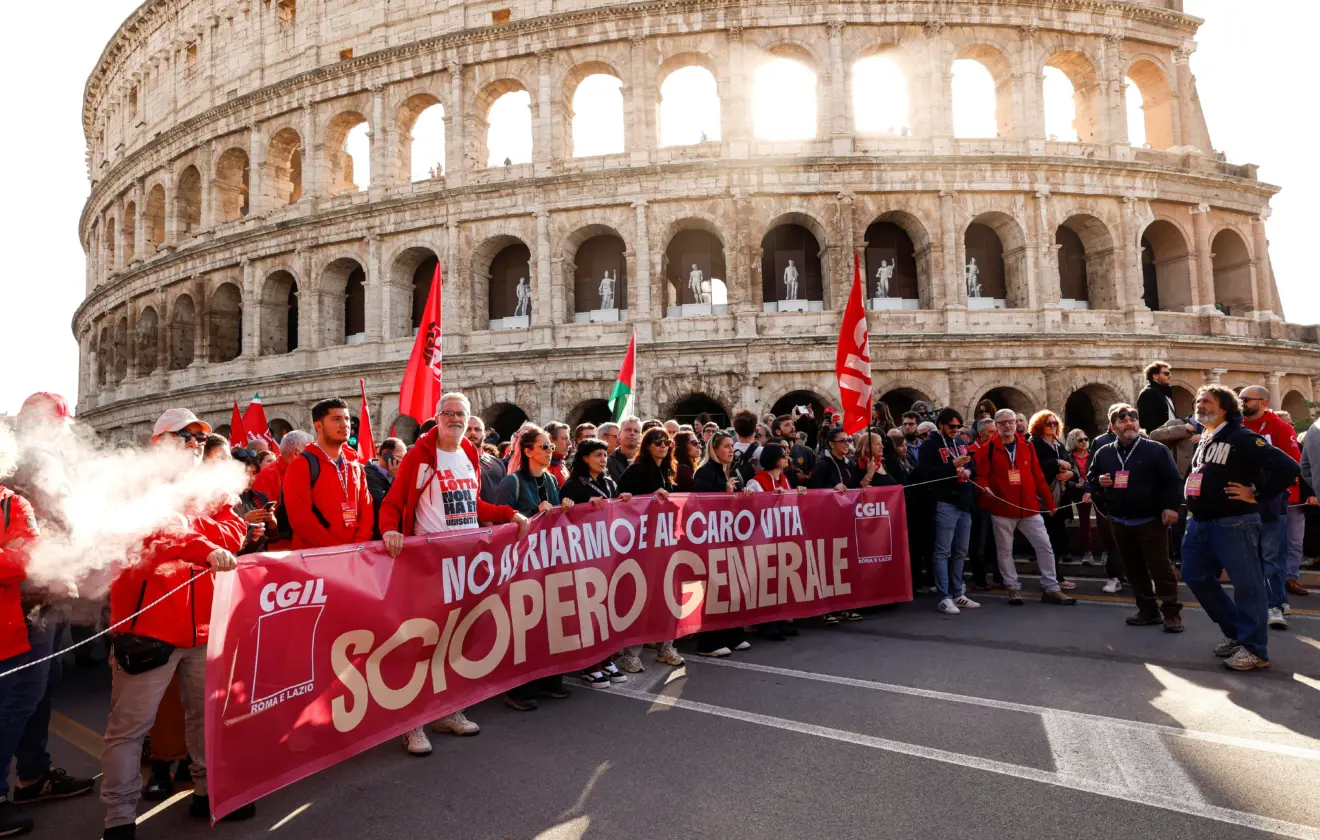
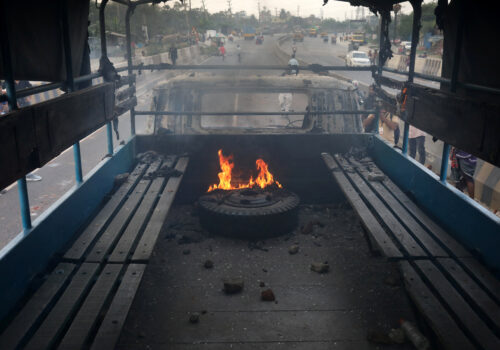
ROME, Nov 20 – Thousands of workers and students protested across Italy on Friday in a general strike called by the country’s largest trade union against Prime Minister Giorgia Meloni’s economic policies, demanding higher wages and more spending on public services.
The 24-hour strike was called by the Italian General Confederation of Labour, known as CGIL. It brought demonstrations to more than 100 cities, from Milan and Turin in the north to Naples, Palermo and Rome.
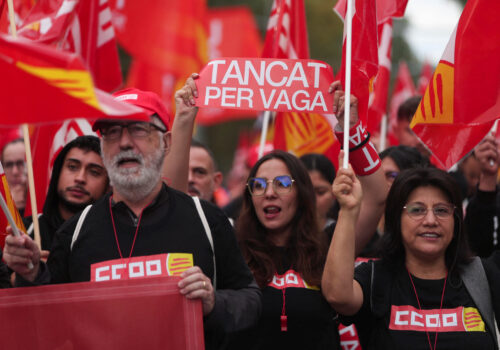
Protesters denounced flat wages and rising living costs. They also criticized what organizers called the government’s failure to strengthen public services and protect workers.
The strike covered both public and private sectors, including schools and health care. It was set to last the entire working day.
Air and rail services were excluded from the general strike. Local public transport was reduced in several cities but continued operating under rules that require a minimum level of service.
A separate rail strike was due to start at 9 p.m. on Friday and run until 8 p.m. on Saturday. Walkouts by airport staff are also planned for Sunday at the airports in Milan and Venice.
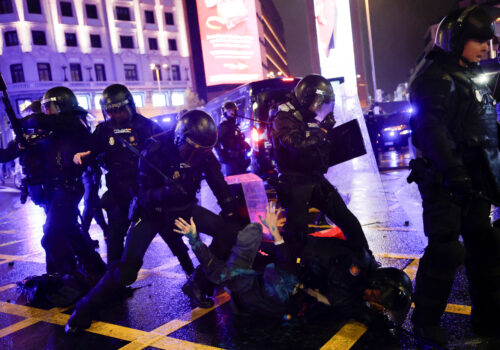
Authorities sent extra police to cities where several marches were planned.
Other unions, including the grassroots group Cobas, held their own strikes and marches, adding to the scale of the protests.
The strike also coincided with an international day of student protest. Students planned marches in more than 45 Italian cities, calling for more money for education and help with the cost of living.
Student demonstrations were also planned in Germany, France, Britain, Austria and Belgium, against rising living costs and military spending.
CGIL leader Maurizio Landini said Friday was a key day because young people were taking to the streets across Europe, not just in Italy. He said the demand for change was growing among ordinary people.
He said Italy needs radical changes to its social and economic model.
Landini said people face very basic problems. They struggle to make ends meet and need higher wages, he said. They need a health system that works, and young people need schools that work.
“This budget does not address a single one of them,” Landini said.
Parliament is now reviewing Meloni’s €26 billion budget for 2027, worth about $30 billion. CGIL says it does not do enough to support incomes and public services. The financial newspaper ItaliaOggi reported that only a small share of the budget is aimed at people under 35.
The union wants pay rises and new contracts to compensate for income lost to inflation. It also wants pensions fully linked to rising prices and measures to prevent the retirement age from increasing.
The government pushed back.
Industry Minister Adolfo Urso told the broadcaster Sky TG24 that the strike was a “pre-emptive strike.” He said Landini called it before he even knew what was in the budget.
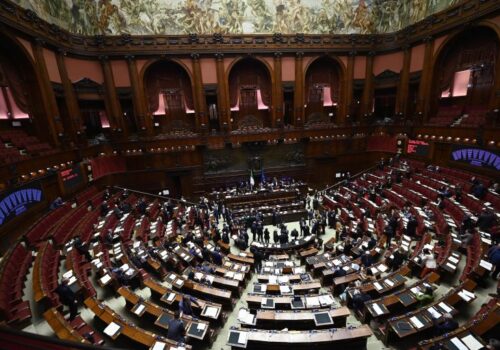
But Urso said he had great respect for the protesters, and for those who had put forward changes to the budget in parliament. He said the budget would be improved there.
Friday’s protests follow a nationwide day of action on October 30, when thousands of students joined striking workers. They called for more money for education and relief from high living and housing costs.
Since then, students have continued to protest and have occupied schools and universities. Opposition to higher military spending has become a key rallying cry.
Laura Peritore, a 24-year-old university student, accused the government of cutting health care and education bit by bit, and of trying to take away young people’s future.
“We will not back down and will take our future back,” she said.
Opposition leaders joined marches across the country. They backed the workers’ demands and criticized Meloni’s government over wages and social spending.
Organizers said the common thread linking the workers and students was a call for policies that put jobs, public services and living standards first. Many marchers carried banners calling for peace and more spending on welfare, schools and health care.
The protests come as Italy prepares for a parliamentary election due in 2027.