Ukraine’s Allies Warn Against Yalta-style Deal At Coalition Of The Willing Meeting In Berlin
European leaders met in Berlin to back Ukraine and warned against any peace deal made over their heads. Jared Kushner said Trump is open to strong security guarantees for Kyiv.
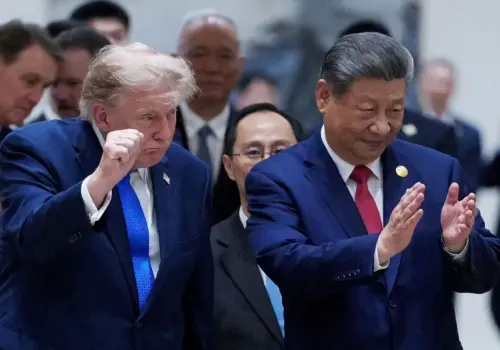
BERLIN, Nov 20 – European allies of Ukraine met in Berlin on Thursday and warned against any attempt to decide a peace deal over their heads, after President Donald Trump embraced Russian President Vladimir Putin as a friend at a summit with Chinese leader Xi Jinping.
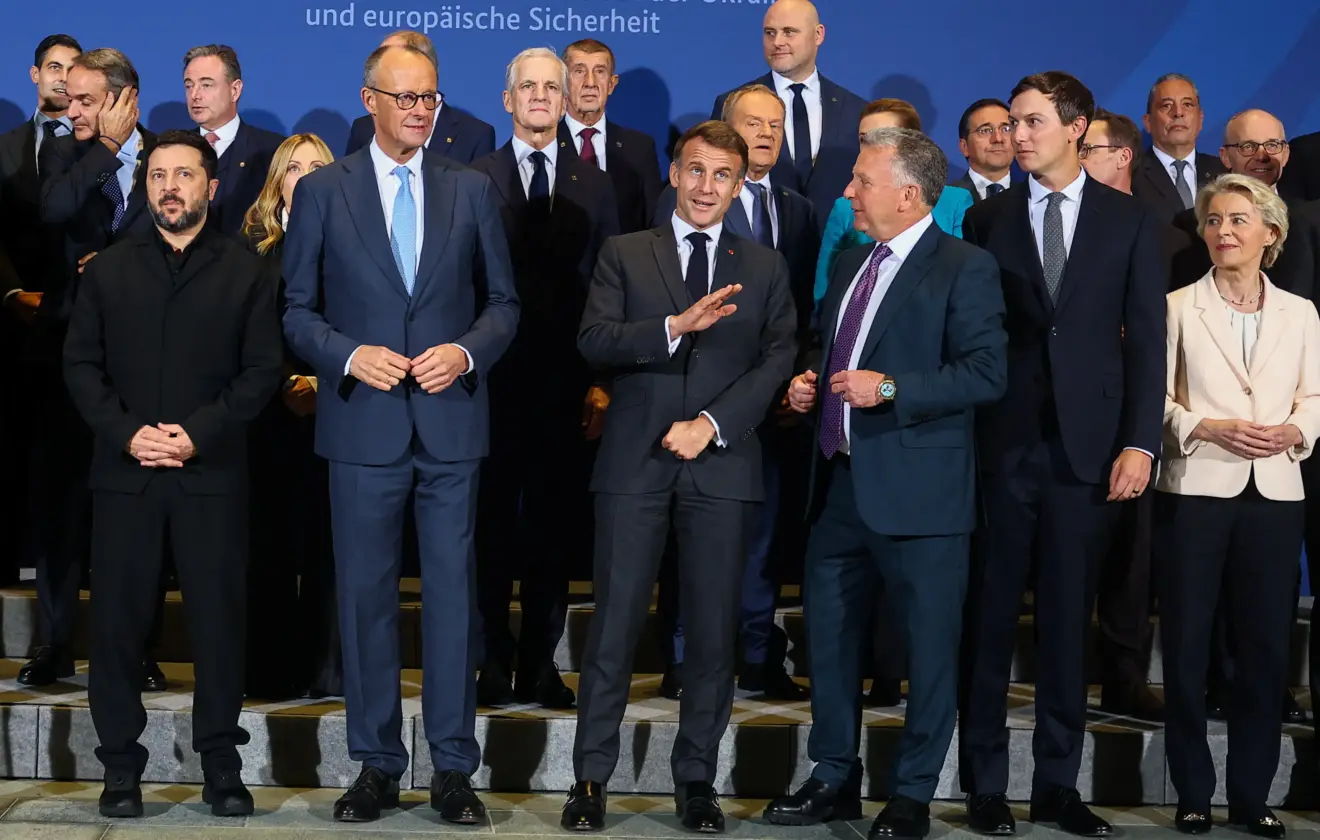
The meeting of the so-called Coalition of the Willing brought together the leaders of Germany, France, Britain, Poland and Italy, as well as the head of the North Atlantic Treaty Organization. Trump’s special envoys, Steve Witkoff and Jared Kushner, also attended.
Europe has pushed to be included in the talks by the United States to end Russia’s war in Ukraine.
After the meeting, the leaders of Germany, France, Britain and Ukraine said in a joint statement that Russia would not be able to outlast the firm support of Ukraine’s main allies.
British Prime Minister Andy Burnham said the United States and Europe had reached their first real agreement on Ukraine in months.
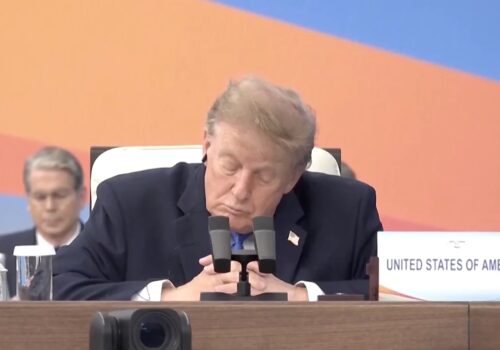
The meeting came hours after the first-ever three-way talks between Trump, Xi and Putin in Shenzhen, China. That meeting was seen as a diplomatic win for Putin. It also deepened fears in Europe that decisions about Ukraine and the continent could be made without them.
Some have compared the Shenzhen talks to the 1945 Yalta Conference, where the leaders of the United States, Britain and the Soviet Union set spheres of influence after World War Two.
German Chancellor Friedrich Merz rejected that model.
“A ‘Yalta’ format will not bring peace,” Merz told reporters. He said European leaders would not allow Europe to be divided up.
He played down the Shenzhen summit as mainly a photo opportunity. He said Washington understands that there can be no peace without Europe, and that Europe knows peace is more likely with the United States on its side.
Trump called into the Berlin meeting from Air Force One on his way home.
He said his message to the leaders was simple. “So let’s make a deal,” Trump said, adding that Putin and everyone else wanted one.
He denied reports that he had complained to the leaders about how much Europe was spending on the war. He said he told them to make a deal and spend the money on their own countries instead.
Kushner, standing beside Merz, tried to reassure the allies. He said Trump wanted a peace deal with Europe at his side, and that Russia had agreed to take part in wider talks that include Europe.
He said Trump came away from his meeting with Putin and Xi believing that peace can be achieved.
Kushner also said Trump is open to giving Ukraine security guarantees modeled on Article 5 of the North Atlantic Treaty, under which an attack on one member is treated as an attack on all.
He said Russia has become comfortable with that idea.
“Giving an Article 5-like security guarantee is a really, really big deal,” Kushner said.
Ukrainian President Volodymyr Zelenskyy said Europe must be part of any peace talks. He said there is still no clarity on how such guarantees would work, and that they must be clear to partners, the public and investors alike.
Asked about Trump calling Putin his friend, Zelenskyy shrugged and walked on.
Other leaders were blunter.
“Mr Putin is not our friend and will never be,” said Polish Prime Minister Donald Tusk.
Danish Prime Minister Mette Frederiksen said she found it very hard to understand why an American president would want to sit down with Putin.
She warned that Putin would feel even bolder after the meeting. “He looks happy,” she said.
In the United States, Senate Democratic leader Chuck Schumer called the Shenzhen meeting a “historic embarrassment.”
But NATO Secretary General Mark Rutte, who has tried to keep Trump on side, said it was normal for major nuclear powers to meet. He praised Trump for what he called huge efforts to bring peace to Ukraine.
Ties between the United States and Europe have frayed as Trump’s administration has cut back support for Ukraine and pressed allies to pay more for their own defense.
European countries provide most of the aid to Ukraine but have largely kept out of the talks with Moscow. They sent representatives to talks in Abu Dhabi last week, but Kremlin officials said Russia had not agreed to repeat that.
In Shenzhen, Putin said China, the United States and Russia share many interests in settling conflicts, including in Ukraine. He said Russia had proposed that European envoys come to Moscow to explain their position before any decision on the format of further talks.
Putin also warned that Russia would respond to Ukraine’s attacks on the bridge linking Crimea to Russia.
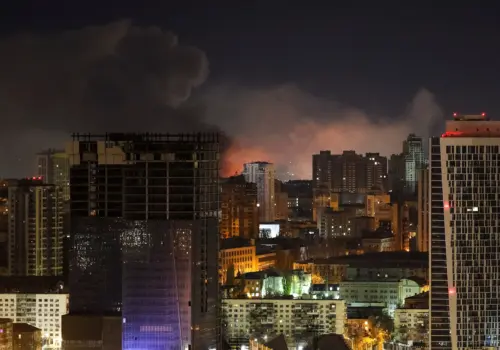
The fighting continued during the diplomacy. Drone attacks hit embassies and a cathedral in Kyiv, according to reports