US Weighs Military Training For Syrian Forces In Demining
About 15 allies could join the program, which may start in March. But American human rights laws and Syrian doubts over access still stand in the way.
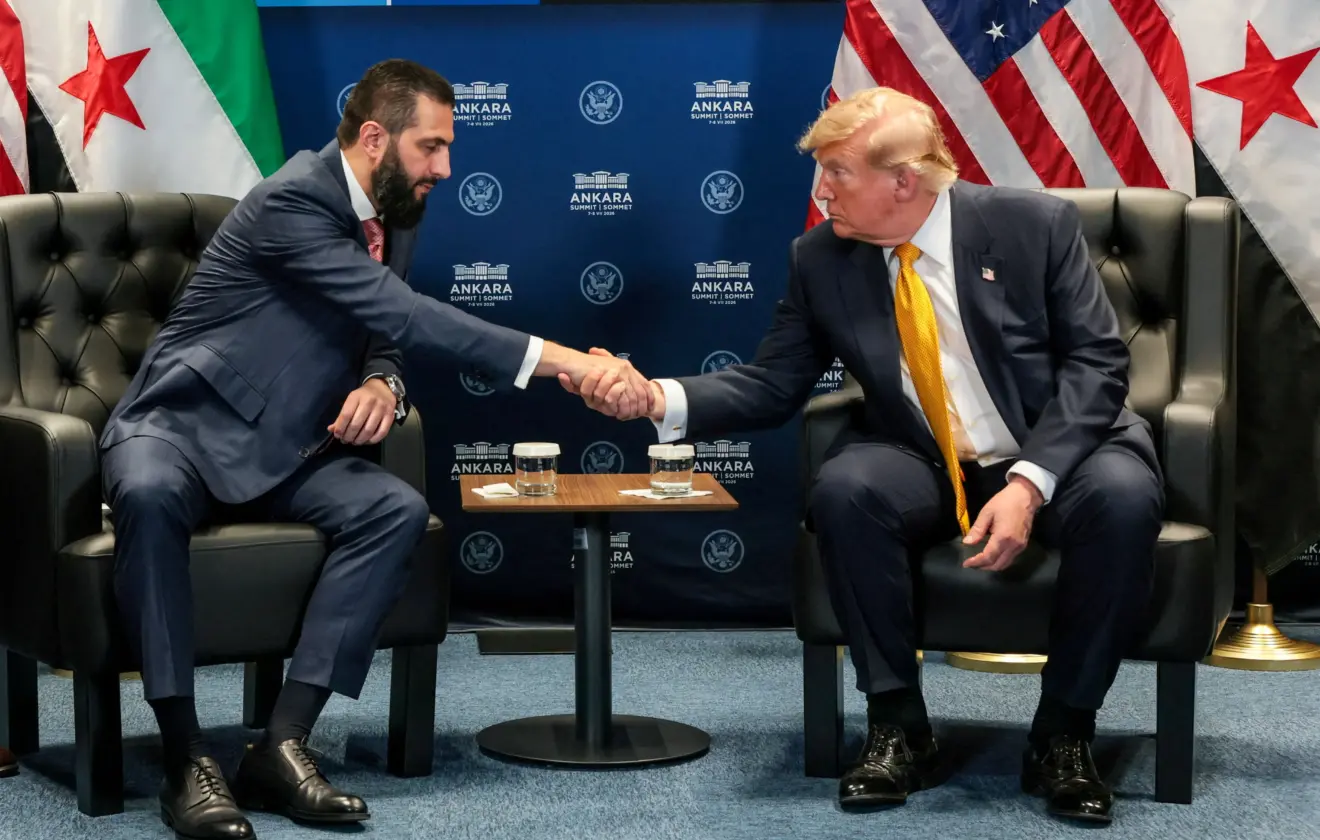
DAMASCUS, Nov 24 – The United States is discussing plans for military training for Syrian forces, with an early focus on clearing land mines, five people familiar with the proposal told Reuters. It would be the first such American mission with Syria’s army since former rebel fighters took power in Damascus in 2024.
The plan is not settled. It still faces legal hurdles in the United States, and some in Syria’s military have doubts about it, the sources said.
But if it goes ahead, a small number of American troops could return to Syria as soon as next year. That would come only a year after the United States pulled out its last forces, which had been there for a decade to fight Islamic State.
Four of the sources said the first stage would center on demining and the safe disposal of unexploded bombs and shells. If it works, it could become a model for wider cooperation, they said.
The plan would build on the Damascus Coordination Center. That body was set up in Jordan last year to help Syrian authorities, American forces and regional allies work together.
Captain Tim Hawkins, a spokesman for the United States military’s Central Command, said the center is still working to support a stable, united and peaceful Syria. He said no final decisions have been made on its future shape or focus.
A State Department spokesperson said Washington welcomes having a partner in Damascus that is committed to fighting Islamic State. Syria’s defense ministry did not respond to a request for comment.
The effort would not be American alone. About 15 allies could take part, including Britain, France, Germany, Australia, Saudi Arabia and the United Arab Emirates, according to a person involved in the talks.
One option would be to train Syrian troops in both Jordan and Syria. This training would begin as early as March and would require only minimal involvement from US troops.
The Syrian National Mine Action Center, a government body that coordinates mine clearance, could also be involved to help the two sides work together. It did not respond to a request for comment.
Money is another question. American officials are looking at whether leftover funds from Operation Inherent Resolve, the long-running mission against Islamic State, could pay for the program, two sources said. One put the amount at about $200 million. Reuters could not confirm that figure.
Ties between Washington and Damascus have warmed fast.
They began to thaw after the fall of President Bashar al-Assad in December 2024. The United States lifted broad economic sanctions on Syria in December 2025. In August this year, it removed Syria from its list of state sponsors of terrorism. And in October, it eased limits on arms exports and defense services, so licenses can now be weighed by case numbers.
Still, there are obstacles on both sides.
In the United States, a set of laws known as the Leahy Laws bars aid to any foreign security unit when there is credible evidence that it has committed gross human rights abuses. Officials would have to vet Syrian soldiers before any money could go to them, two of the sources said.
That matters in Syria’s case. Some commanders in the country’s new security forces once belonged to Islamist armed groups. And United Nations investigators have documented abuses by forces linked to the new authorities.
On the Syrian side, some at the defense ministry have been reluctant to give American personnel access to its buildings and bases, the sources said. That has made it harder to set up training.
The two militaries have little history of working together.
During Syria’s civil war, from 2011 to 2024, hundreds of American troops were stationed in the country. But they worked with neither Assad’s government nor the main rebel groups that later toppled him. Instead, they fought Islamic State mostly alongside Kurdish forces, under Operation Inherent Resolve.
The last American troops left Syria in April this year, and Iraq in September. The wider operation has not been fully wound down.
The Syrian defense minister, Murhaf Abu Qasra, met on November 12 with the commander of the operation, Rear Admiral Liam Hulin, in Damascus, according to Syria’s state news agency.
According to a source within the Syrian military, the discussion topics included the proposed coordination center, mine clearance training, explosive ordnance disposal training, and border security assistance. The source did not give details on the border plans.
Any training for Syrian forces would start with land mines and unexploded weapons, the sources said.