Josh Turek flips Iowa Senate seat, defeating Trump-backed Ashley Hinson
The state lawmaker and two-time Paralympic gold medalist beat Representative Ashley Hinson in a race seen as a toss-up. It is the first Democratic Senate win in Iowa since 2008.
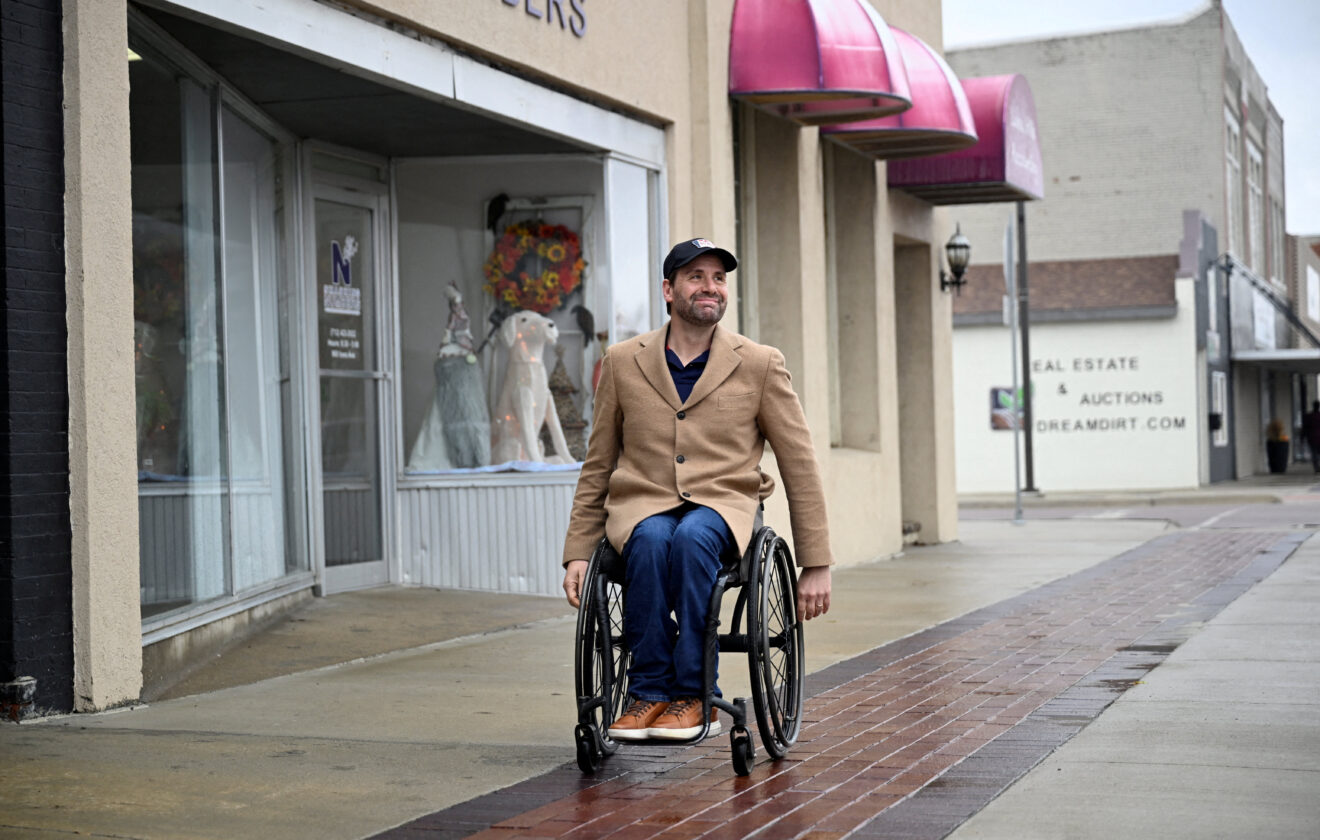
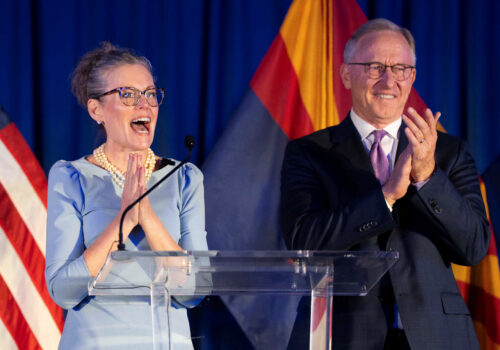
DES MOINES, Iowa, Nov. 4 – Josh Turek has won the Senate race in Iowa, beating Republican Ashley Hinson and taking back a seat that has been in Republican hands for more than a decade.
It is the first time a Democrat has won a Senate race in Iowa since 2008. Turek will replace Republican Senator Joni Ernst, who said last year that she would not run again.
The win is another key gain for Democrats in the fight for control of the Senate. Republicans went into Tuesday’s elections with 53 seats to the Democrats’ 47, meaning Democrats need a net gain of four seats to take control of the chamber in January.
Trump won Iowa in all three of his presidential elections. When the race began, most people expected it to remain safely Republican. But the contest became increasingly competitive over the fall, and by the final weeks it was widely viewed as a toss-up. Trump backed Hinson, a member of the House of Representatives, while Vice President JD Vance also campaigned for her in the state.
Turek, a member of the Iowa House, calls himself a “prairie populist.” He built his campaign around the rising cost of living, corruption, and the economic pressures facing rural communities. He argued that many Iowans were struggling with higher prices for housing, health care, groceries, and everyday necessities.
He sharply criticized Hinson for supporting Trump’s 2025 tax law, saying it favored wealthy Americans and large corporations while cutting programs that help working families. The law included reductions to Medicaid, the health program for people with low incomes, and food assistance. Turek said those cuts would hurt vulnerable Iowans and deepen the state’s health-care challenges.
Turek also made Iowa’s high cancer rates a central issue. He called for stronger action on environmental risks, improved access to medical care, and more investment in cancer research and prevention. In rural parts of the state, where hospitals and clinics can be far away, he argued that health care should not depend on a person’s income or ZIP code.
Farm policy was another major theme. Turek said farmers were facing higher expenses for diesel, fertilizer, equipment, and insurance. Prices for diesel and fertilizer have risen sharply this year, in part because of the war with Iran and disruptions to global supply chains. He promised to push for policies that lower input costs, expand markets for Iowa crops, and protect family farms from corporate consolidation.
Like other Democrats running in close races across the Midwest, Turek took a moderate position on transgender rights. He said he supported the dignity and safety of transgender Iowans while emphasizing that his campaign’s main focus was improving economic conditions, lowering costs, and addressing the concerns of ordinary families.
His victory signals that even in a state Trump has carried repeatedly, Democrats can compete when they focus on pocketbook issues and present a candidate who understands rural and working-class concerns. For national Democrats, Iowa may now be seen less as a reliably Republican state and more as part of a broader Midwest battleground in the battle for Senate control.
Hinson, for her part, attacked Turek for missing votes in the Iowa House. She also said he was too liberal for Iowa on issues such as immigration.
Turek was born with spina bifida and uses a wheelchair. He won two Paralympic gold medals in wheelchair basketball.
His campaign videos showed him going up hills and steps to knock on voters’ doors. It was a way of showing he was willing to do the hard work, his campaign said.
The final New York Times and Siena College poll was almost even. It put Turek at 48 percent and Hinson at 47 percent among likely voters.
In the end, Turek pulled ahead on election night.
His win was one of many major gains for Democrats on Tuesday.
In Kansas, Democrat Adam Hamilton defeated Republican Senator Roger Marshall, becoming the first Democrat from the state elected to the Senate in 94 years. In Texas, James Talarico beat Ken Paxton and became the first Democrat to win a statewide race there since 1994.
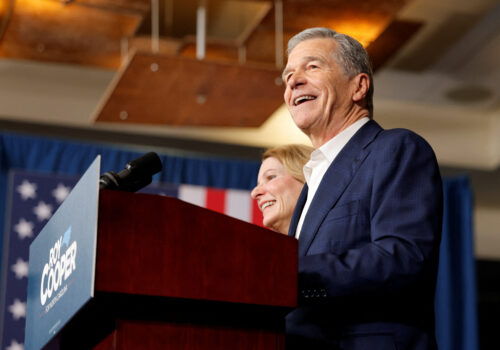
In Ohio, former Senator Sherrod Brown won back his seat by defeating Republican Senator Jon Husted. In North Carolina, Democrat Roy Cooper won a seat previously held by a Republican.
In South Carolina, NBC News and CBS News projected that Democrat Annie Andrews had defeated Republican Senator Darline Graham. Democrats also held on to seats in Georgia and New Hampshire.
Results were still coming in from Alaska, Maine, and Michigan.
Many voters went to the polls unhappy about prices. Polls have shown that the cost of living is the top issue for voters across the country.
Exit polls found that half of voters nationwide saw the election as a way to send a message to the president. About 70 percent said they want Congress to act as a stronger check on him.
Ernst first won the seat in 2014. Before her, the seat was held for 30 years by Democrat Tom Harkin, who last won it in 2008.