US-Iran sanctions hit Indian and Turkish firms over fake ship flags
The Treasury says an Indian couple ran a network that gave fake flags to tankers carrying Iranian oil. A Turkish company was also hit for serving sanctioned Iranian airlines.
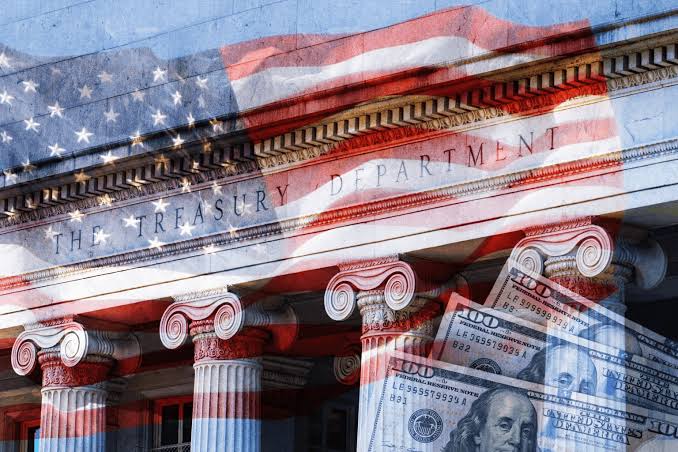
WASHINGTON, Nov 5 – The U.S. Treasury announced new Iran-related sanctions on Wednesday targeting companies and individuals in India and Turkey, accusing them of supporting Tehran. It warned that it would continue to pursue anyone helping the Iranian government.
The sanctions are part of the Trump administration’s “Operation Economic Outcast,” a campaign aimed at cutting off Iran’s ability to sell oil and use the revenue to fund its war with the United States and Israel.
The announcement came a day after Democrats won control of both chambers of Congress in the midterm elections. Many voters had expressed anger over the war and its role in driving up prices in the United States.
An Indian network accused of selling fake flags
The main target was a network that the Treasury described as a vast criminal operation. It said the network was run by Suniel Kumar Sharma and his wife, Jaspreet Preeti Shahid, who are based in Chandigarh, India.
Two Indian citizens who head two of the couple’s businesses were also sanctioned, as were nine companies linked to Sharma.
According to the Treasury, the network gave false flags and certificates to sanctioned ships carrying Iranian oil. It said some of those ships were working for the Iranian military and the armed groups it backs.
Every ship at sea must be registered to a country, which gives it a flag. That country is responsible for checking that the ship meets safety and environmental rules.
The Treasury said Sharma and Shahid falsely claimed to represent countries including Guyana, Eswatini, and Laos. They used those claims to issue flags and certificates that allowed ships to bypass international restrictions and continue sailing.
The network bought website addresses and set up sites that claimed to offer services on behalf of those countries and others, the Treasury said. The services included registering ships, training and certifying sailors, and rating ships for safety.
The couple also ran a group of companies in India that were used to set up fake registries, according to the Treasury. Those companies were also sanctioned.
The Treasury said ships with false flags and fake certificates can avoid international safety and environmental rules and often carry no insurance. That means a single accident could cause billions of dollars in damage to the countries whose waters they pass through, with no one to pay for it.
The Treasury’s Office of Foreign Assets Control also sent a new warning to shipping and finance companies about the risk of dealing with ships that may be flying false flags.
A Turkish firm serving Iranian airlines
The Treasury also sanctioned Fugo Ground Services, a Turkey-based company, for what it described as ongoing support for Iran’s aviation sector, which is already under heavy sanctions.
According to the Treasury, the company provided ground services for several sanctioned Iranian airlines that continue to fly to Turkey, including Iran Air Tour, Saha Airlines, Taban Airlines, and Ata Airlines.
Ground services can include loading baggage and cargo, refueling aircraft, cleaning planes, and assisting passengers as they board and leave. By providing these services, the company helped the airlines keep operating despite international restrictions, the Treasury said.
The move is part of a broader effort to tighten pressure on Iran’s economy and limit its ability to generate revenue from aviation, oil sales, and other sectors.
Bessent warns supporters of Iran.
Treasury Secretary Scott Bessent said the government would keep pursuing anyone who helps Tehran.
“We know where you are,” Bessent said in a statement. He said the United States would sanction those who keep supporting the Iranian government by land, sea or air.
Last week, the Treasury said its actions were crushing Iran’s economy. It said the rial, Iran’s currency, had fallen to new lows and that prices inside Iran were rising around 90 percent a year.
The latest step adds to the pressure on Iran’s oil sales. The United States brought back its blockade of Iranian ports on July 14, after a draft agreement between Tehran and Washington to end the war fell apart.
Brett Erickson, managing principal of Obsidian Risk Advisors, said the sanctions sent a strong message that the administration is stepping up its economic pressure on Iran despite the election results.
He said Washington appeared “unwilling to take even the smallest step toward de-escalation,” even after a heavy defeat at the polls.
On Wednesday, President Donald Trump acknowledged that the war, and the jump in gas prices it caused, played a role in his party’s losses. But he said the war was worth it.
Oil prices fell sharply in choppy trading on Wednesday, as investors weighed the chance that the war could end.
The sanctions freeze any property or assets that the targeted people and companies hold in the United States. They also generally bar Americans from doing business with them, and foreign banks and firms that deal with them can face penalties too.
The government of India and the companies named did not immediately comment on the sanctions.