Iran Enriched Uranium Will Stay in the Country, Security Chief Rezaei Says
Rezaei says Iran wants the material for nuclear-powered ships and submarines. He also says there are no talks with Washington right now
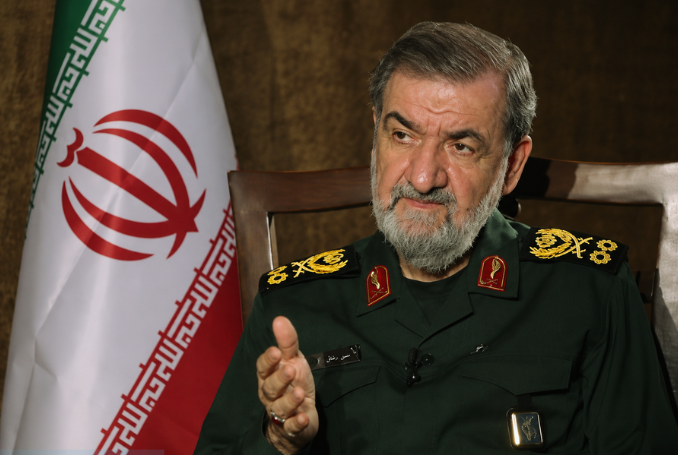
DUBAI, Nov 12 – Iran will not let even a single particle of its enriched uranium leave the country, its security chief Mohsen Rezaei said. He also warned that any new United States strikes on Iran would be answered with attacks on American bases far from the region.
Rezaei spoke to Al Mayadeen, a Lebanese television channel that backs Iran.
He said Iran needs the material for its own plans. Tehran wants to build ships and submarines that run on nuclear power, and Iran has told Russia that the uranium will stay at home.
“We will use it ourselves,” Rezaei said.
He did not stop at the uranium. He said any new American attack would bring strikes on United States bases that are far away, which could include bases in Europe, if they were used to launch strikes on Iran.
Rezaei also said no talks are currently taking place between Tehran and Washington.
His remarks came after United States officials played down the need for further military action against Iran. Analysts say President Donald Trump has adopted a softer tone since his Republican Party lost the November 3 midterm elections.
The question of the uranium is at the heart of the dispute.
Iran’s supreme leader has ordered that the country’s near-weapons-grade uranium must not be sent abroad, two senior Iranian sources said in May. The order has complicated efforts to reach a deal, as Washington and its allies see the removal or verified disposal of the stockpile as a central requirement of any agreement.
Russia has previously offered to remove the uranium from Iran as part of a possible deal. Moscow has said the decision would be up to Tehran.
It is not clear how much uranium remains. The International Atomic Energy Agency, the United Nations nuclear watchdog, estimated that Iran had 440.9 kilograms of uranium enriched to 60% purity when Israel and the United States struck its nuclear sites in June 2025.
That is far more than is needed for civilian use. It is not known how much of the stockpile survived the strikes.
Israel, the United States and other Western countries have long accused Iran of seeking to build nuclear weapons. Iran denies the accusation.
Washington wants uranium to be addressed in any agreement. It has said nuclear issues must be part of the first talks with Iran aimed at ending the war between the two countries.
Any settlement is likely to require detailed verification measures to ensure that Iran’s nuclear program cannot be used for weapons development.
Israel wants the same. In May, Israeli officials told Reuters that Trump had assured them any deal would include a clause requiring Iran’s stockpile of highly enriched uranium to be removed from the country.
Prime Minister Benjamin Netanyahu has said he will not consider the war over until three conditions are met. Iran’s enriched uranium must be removed from the country, Tehran must stop backing armed groups in the region, and its ballistic missile capabilities must be eliminated.
Iran has its own conditions. A senior Iranian official told Reuters last week that Tehran had sent Washington a nuclear proposal through Qatar. However, he said Iran would discuss it only after the United States met seven demands set out by Tehran.
The war began on February 28, when the United States and Israel launched strikes on Iran. Iran’s Supreme Leader, Ayatollah Ali Khamenei, was killed in those strikes.
Since then, the fighting has largely settled into a stalemate centered on the Strait of Hormuz. A United States naval blockade of Iranian ports remains in place, restricting access to key shipping routes and adding pressure on Tehran’s economy.
The standoff has raised concerns about the security of global energy supplies and the risk of a wider regional conflict.