Iran Fires At Kuwait After US Strikes Qeshm Island
Iran says it attacked American drone and missile sites in Kuwait after a United States strike on an Iranian island. Bahrain also says it shot down Iranian attacks for a third time this week.
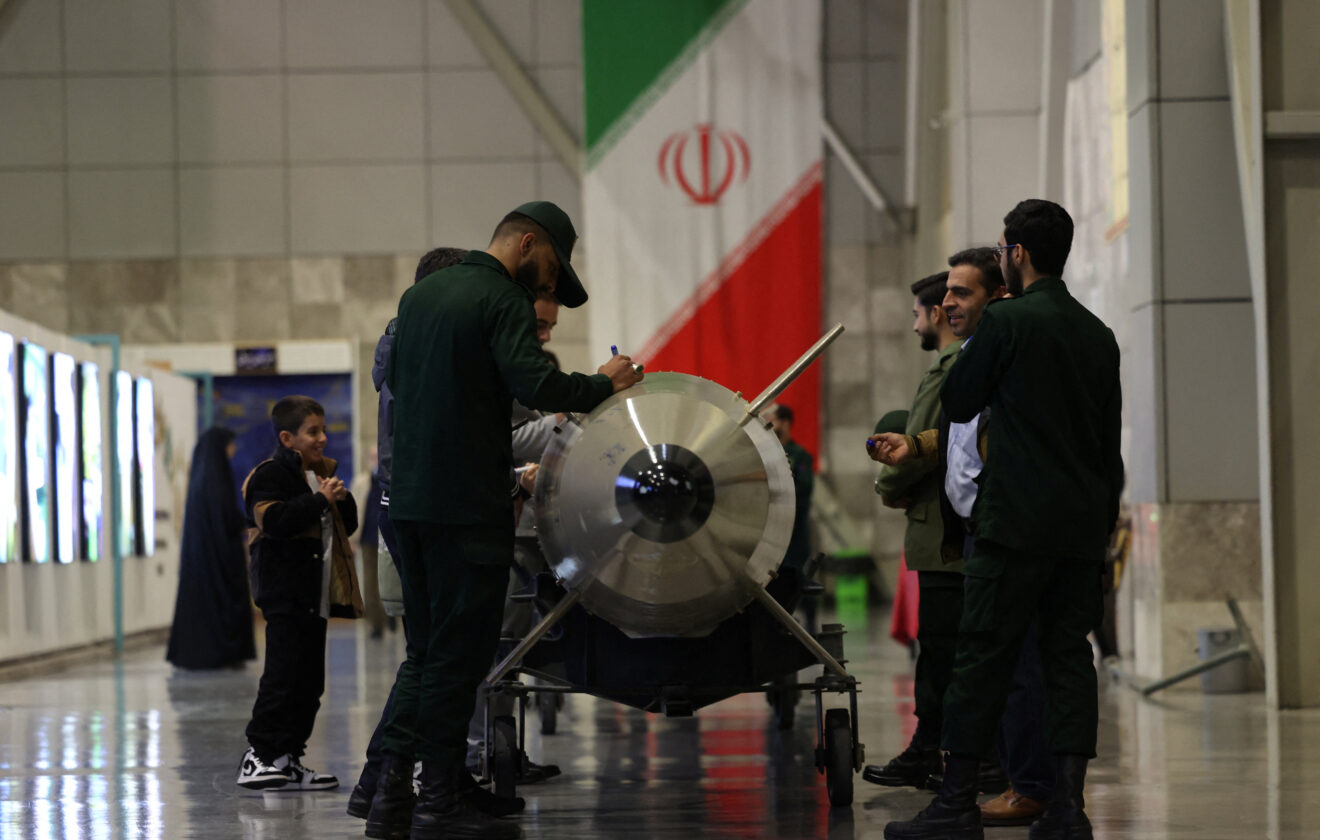
DUBAI, Nov 18 – Iran fires at Kuwait for the first time since September, saying it targeted American drone and missile sites there overnight after the United States struck Qeshm Island in the Strait of Hormuz.
The Iranian army said it hit United States drone and missile sites at Kuwait’s Ali Al Salem air base. The claim came after Kuwait said its air defenses were fighting off hostile drone attacks.
Kuwait said it has the right to take all needed steps to protect its sovereignty, its land and its key facilities from any attack or threat.
The Iranian strikes followed American air raids on Tuesday evening. United States fighter jets hit a missile launch site on Qeshm in response to Iranian attacks on American troops and assets, a United States military official said.
Iranian media, citing an Iranian official, said the American strike caused no damage to infrastructure.
Bahrain also said on Wednesday that it had shot down Iranian aerial attacks, for the third time in a week. It accused Tehran of a “systematic hostile approach” toward the kingdom, which hosts the headquarters of the United States Navy’s Fifth Fleet.
The latest clashes show how hard it has been to end a war that has shaken the Middle East, disrupted shipping and pushed up energy prices around the world.
In videos shown by state media on Wednesday, Iranian army chief Amir Hatami warned the United States against further attacks. He said Iran was ready to respond in a stronger, more crushing way, and “without geographic limitations.”
The United States and Israel attacked Iran on February 28. Tehran hit back with strikes on Israel and on Gulf states that host American bases.
The war later spread to Lebanon, where Israel and the Iran-backed group Hezbollah began fighting. It also spread to Yemen, where the Iran-aligned Houthis have launched attacks on Saudi energy sites, airports and other targets.
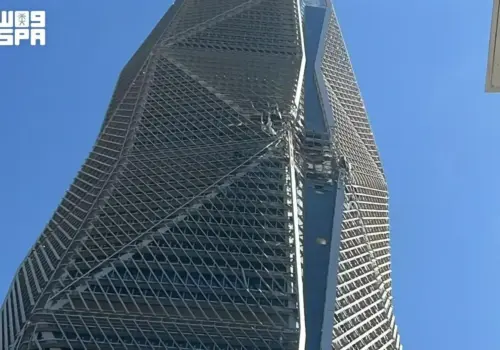
On Wednesday, a coalition led by Saudi Arabia said it shot down a cruise missile fired by the Houthis toward the Saudi capital, Riyadh. The Houthis didn’t immediately confirm the attack.
Oil and gas prices have soared since Tehran declared the Strait of Hormuz closed. The United States has imposed a naval blockade on Iran, which has hit its economy hard.
Attacks on ships have surged since October. On Tuesday, a crew abandoned a gas tanker off Khasab in Oman. The Emirati company ADNOC Logistics and Services said on Wednesday that one crew member was missing and 11 injured after one of its vessels was attacked in the strait.
Efforts to end the war continue. Qatari and Iranian officials met on Tuesday. Qatari spokesperson Majed Al Ansari said the talks aimed to bring the two sides’ views closer and narrow the gap between proposals.
Talks have stalled over Iran’s nuclear program. President Donald Trump insists any deal must cover it, while Iran wants the blockade lifted first.
On Tuesday, Trump said the United States was taking seriously the chance that Iran could be planning an attack on Washington. He was asked about a CNN report that cited intelligence on a possible Iranian plot involving a so-called dirty bomb.
A dirty bomb uses ordinary explosives to spread radioactive material. It doesn’t cause a nuclear blast, but it can contaminate an area and cause wide panic.
Iran’s Foreign Ministry called the claims “baseless.”
On Wednesday, Secretary of State Marco Rubio played down the threat. Asked by a reporter in Manila whether he feared an imminent attack on the capital, Rubio said he did not.
“I don’t think there is any imminent threat,” Rubio said.
A third American aircraft carrier, the Theodore Roosevelt, arrived in the region this week. It joined two other carriers already enforcing the blockade.