Saudi Arabia Intercepts Three Houthi Missiles Aimed At Riyadh After Strike On Yemen’s Hodeidah Port
The Saudi-led coalition says it destroyed three Houthi missiles fired at Riyadh. The attack follows coalition strikes on a key Yemeni port and Houthi threats against Saudi airspace and ports.
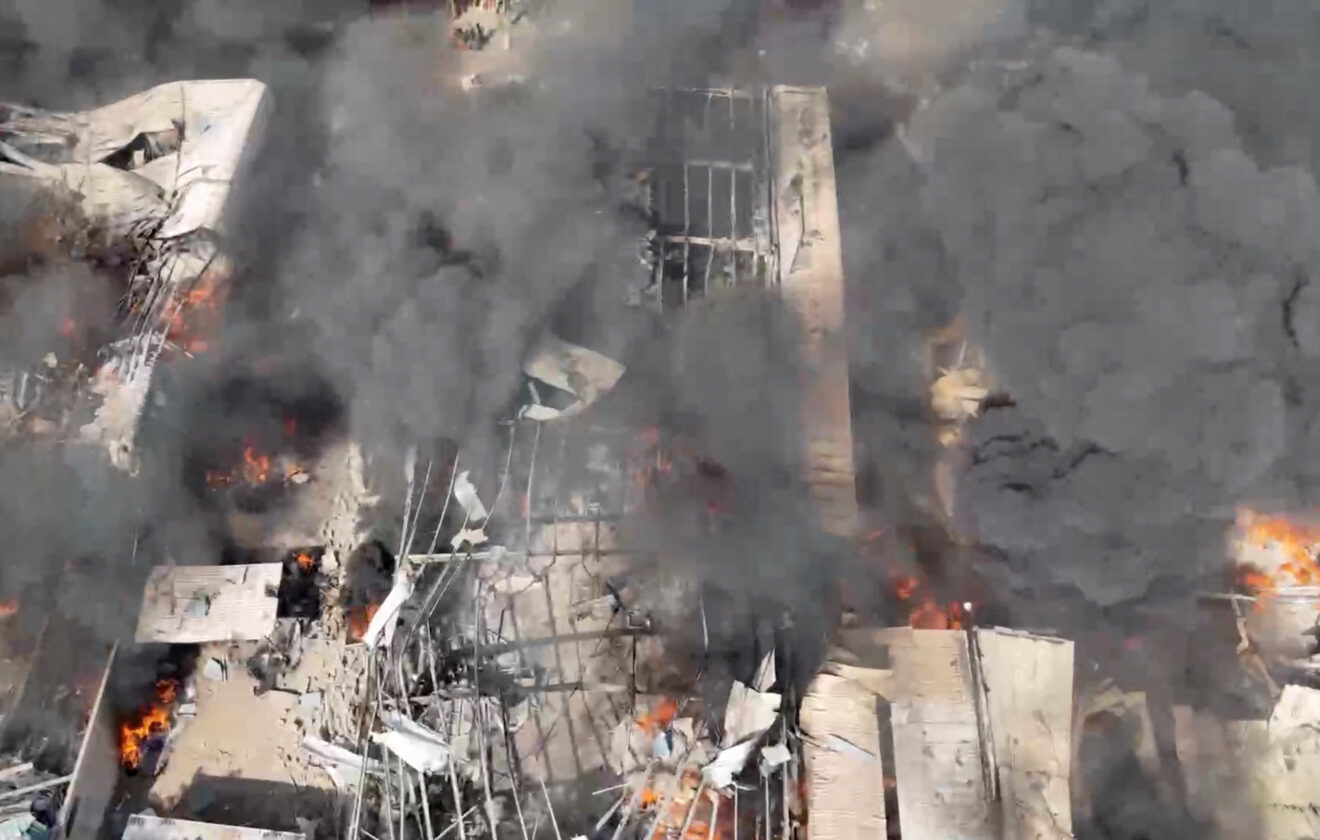
RIYADH, Nov 21 – The Saudi-led coalition fighting Yemen’s Houthis said on Saturday it had intercepted and destroyed three Houthi missiles fired toward Riyadh, the second Houthi attack on the Saudi capital in a few days.
A witness in Riyadh saw a projectile streak across the sky, leaving a trail of smoke, shortly before a loud bang was heard.
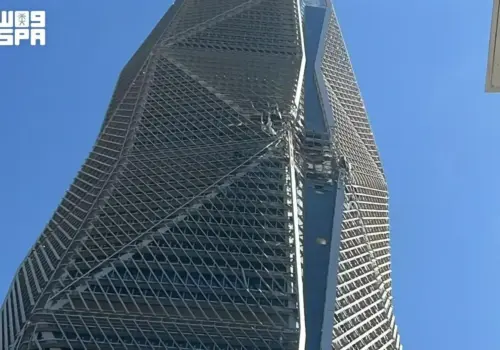
The attack came two days after a Houthi strike damaged the tower of the Public Investment Fund, Saudi Arabia’s sovereign wealth fund and the tallest building in Riyadh.
It also followed a sharp rise in cross-border fighting on Friday.
The coalition said on Friday it had struck the Red Sea port of Hodeidah, in an operation to destroy Houthi military capabilities. It had warned civilians to leave the area beforehand.
Hodeidah is the main port bringing food and other supplies into northern Yemen, which is controlled by Houthis.
The coalition said it destroyed facilities at the port that were used for smuggling and for moving weapons and ballistic missiles. Yemen’s information minister said the port remains fully open and that the flow of goods will continue.
The coalition also said it carried out an operation in the capital, Sanaa, targeting Houthi missile and drone capabilities. It said operations in Saada and Taiz were still underway.
The Houthis had warned they would hit Saudi Red Sea ports if the coalition carried out its threat to strike Hodeidah.
Houthi military spokesperson Yahya Saree told workers and anyone near Saudi Arabia’s Red Sea ports to leave right away. He urged shipping companies to move their ships out of those ports.
He also told airlines to stay out of Saudi airspace, “because it will be the scene of our operations in the coming hours.” He made an exception for the airspace near the holy cities of Mecca and Medina.
Saree said the group would target a power station at Shuqaiq, in southern Saudi Arabia.
The coalition said later on Friday that it intercepted two ballistic missiles fired by the Houthis toward the southern province of Jazan. It said debris fell in the Shuqaiq area. The Houthis said they had attacked a power station in Shuqaiq and a port in Jazan.
The Houthis made no immediate comment on the strike on Hodeidah.
The escalation points to a worsening conflict. It has caused a humanitarian crisis in Yemen and serious disruption in Saudi Arabia, alongside the war between the United States and Iran.
Fighting in Yemen resumed in July, at the same time as the wider war with Iran. Since then, the Houthis have quickly advanced, taking territory from Saudi-backed Yemen’s internationally recognized government and its allies.
The Houthis have seized Yemen’s entire Red Sea coast. Over the weekend, they forced government forces to pull back to defend their temporary capital, the southern port city of Aden. Security has been stepped up in Aden amid fears that Houthi forces are drawing closer.
Saudi Arabia has carried out air strikes in Yemen to support its allies on the ground. The Houthis, in turn, have struck Saudi oil sites, airports and office towers.
Deadly strikes on Riyadh’s main airport last month led to the cancellation of most international flights. Saudi Arabia has also postponed or canceled major global events, including the Asian Cup, Asia’s top soccer tournament.
On Thursday, the Houthis said they attacked Riyadh’s financial district twice, as well as King Khalid International Airport, an air base in the south and a petrochemical plant in the Eastern Province. Saudi Arabia did not confirm those other attacks.
Saudi officials now expect their campaign in Yemen to last up to six months, according to Western officials briefed on the kingdom’s plans.
Saudi Arabia, a close ally of the United States, has backed Yemen’s government for more than a decade. It entered the war in 2015, at the head of an Arab coalition, after the Houthis seized Sanaa and much of the country.
The two sides fought to a stalemate, and a ceasefire agreed in 2022 held until this summer.