Historic Trilateral Talks Take Place At APEC With Nuclear Weapons The Main Topic
Donald Trump, Xi Jinping and Vladimir Putin have held their first-ever three-way talks. Nuclear weapons topped the agenda, and the meeting ran well past its planned time.
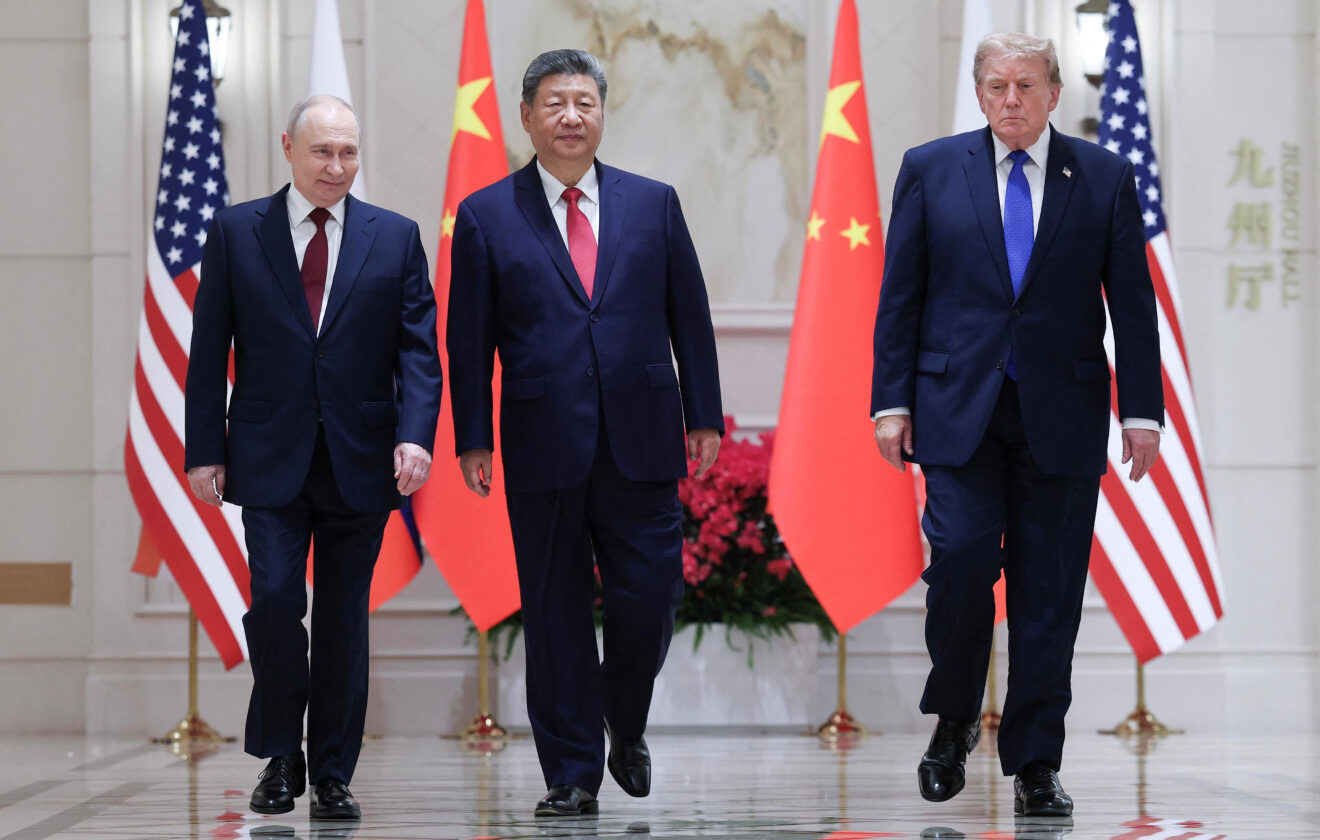
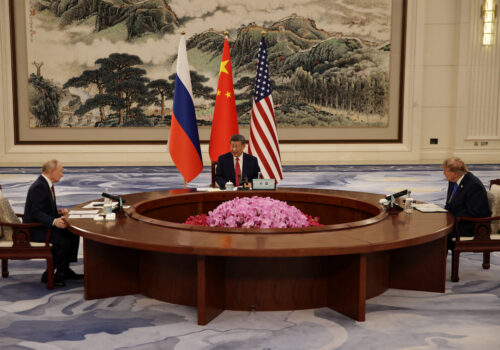
SHENZHEN, Nov 19 – President Donald Trump, Chinese President Xi Jinping and Russian President Vladimir Putin held their first-ever trilateral talks on Thursday, with nuclear weapons the main topic of the meeting on the sidelines of the Asia-Pacific Economic Cooperation summit.
The meeting lasted about an hour and a half, according to Chinese state media. That was well beyond the one hour first set aside for it.
The three leaders discussed cutting nuclear weapons and the war in Ukraine.
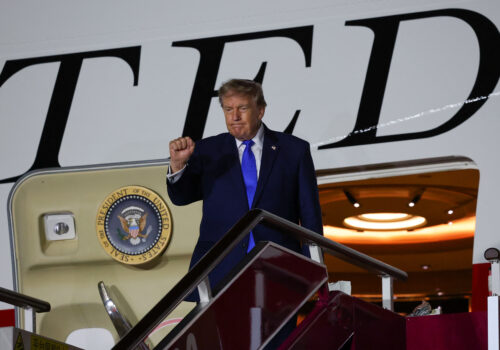
Trump hailed the talks. He said the three leaders were “really making history.”
He said he was delighted that his trip had given them the chance to hold the first-ever meeting between the leaders of the United States, Russia and China.
In his opening remarks, Trump said the three countries, the world’s largest nuclear powers, were uniquely placed to discuss reducing their stockpiles. He said no peace is ever made by turning down chances to talk. But he admitted that getting countries to give up their weapons is not easy.
Xi said the world must work hard to avoid a nuclear conflict.
“Every effort must be made to prevent nuclear war,” Xi said, according to China’s official Xinhua news agency. He said nuclear weapons should be fully banned and destroyed.
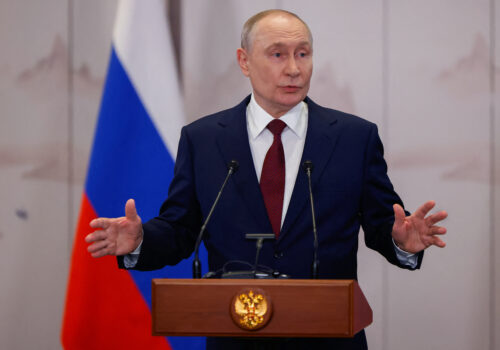
Putin, speaking through a translator, said the three countries share many interests in ending conflicts, including the war in Ukraine.
He said they have “many converging interests” in resolving conflicts. He added that the three countries share a joint responsibility for keeping international peace and security.
Putin said the leaders should also discuss global and regional ties, as well as energy security. He said the United States could help in a constructive way strengthen global stability if it works with others.
Putin ordered the full-scale invasion of Ukraine more than four years ago.
During the meeting, Trump also criticized the International Criminal Court, calling it out of control.
The remark drew attention because Putin is one of the best-known people wanted by the court. In March 2023, it issued an arrest warrant for him over the alleged unlawful deportation of Ukrainian children from occupied areas to Russia. Russia denies the charges.
The warrant is still in force, so Putin risks arrest if he travels to a country bound to enforce it. But neither the United States nor China is required to act on it, because neither has signed the Rome Statute, the treaty that set up the court.
No joint statement or agreement was announced right after the talks.
Trump has pushed for nuclear arms control to be at the center of the meeting. The last nuclear arms treaty between Russia and the United States, the New Strategic Arms Reduction Treaty, expired in February. Trump has said he wants a new and modern deal that includes China.
But China has long refused to join such talks. Its arsenal of more than 600 warheads is far smaller than the more than 5,000 warheads each that the United States and Russia are believed to hold. Beijing has said the two larger powers should talk to each other first.
Experts had kept expectations low before the meeting. Daryl Kimball, executive director of the Arms Control Association, said one meeting was unlikely to bring dramatic progress, but could start a longer process.
Before the three-way talks, Trump met Putin and Xi separately.
His meeting with Putin lasted about 35 to 40 minutes. The Kremlin said Ukraine was the main topic and that Putin left in an excellent mood. Trump called the Russian leader his friend.
When he met Xi afterward, Trump said the United States and China should both help end the war in Ukraine. He also pressed Xi to buy more American farm goods, and said both countries want oil to keep flowing through the Strait of Hormuz.
Ukraine did not take part in the talks. Kyiv and its European allies have worried that the three powers could reach deals without them.
German Chancellor Friedrich Merz has said Europeans fear another “Anchorage moment,” a reference to last year’s summit between Trump and Putin in Alaska. That meeting produced proposals that Ukraine and its partners rejected.
Other Asian states have also raised concerns that their interests could be ignored.
The meeting has been compared to the 1945 Yalta Conference, when the leaders of the United States, Britain and the Soviet Union shaped the postwar world. The Kremlin dismissed that comparison as games played by political scientists. Beijing said the talks would promote world peace.