Portugal Housing Protest Draws Thousands to Parliament
Thousands gathered outside Portugal’s parliament on Tuesday to protest soaring housing costs and police action against tent camps. Lawmakers were debating the 2027 budget inside.
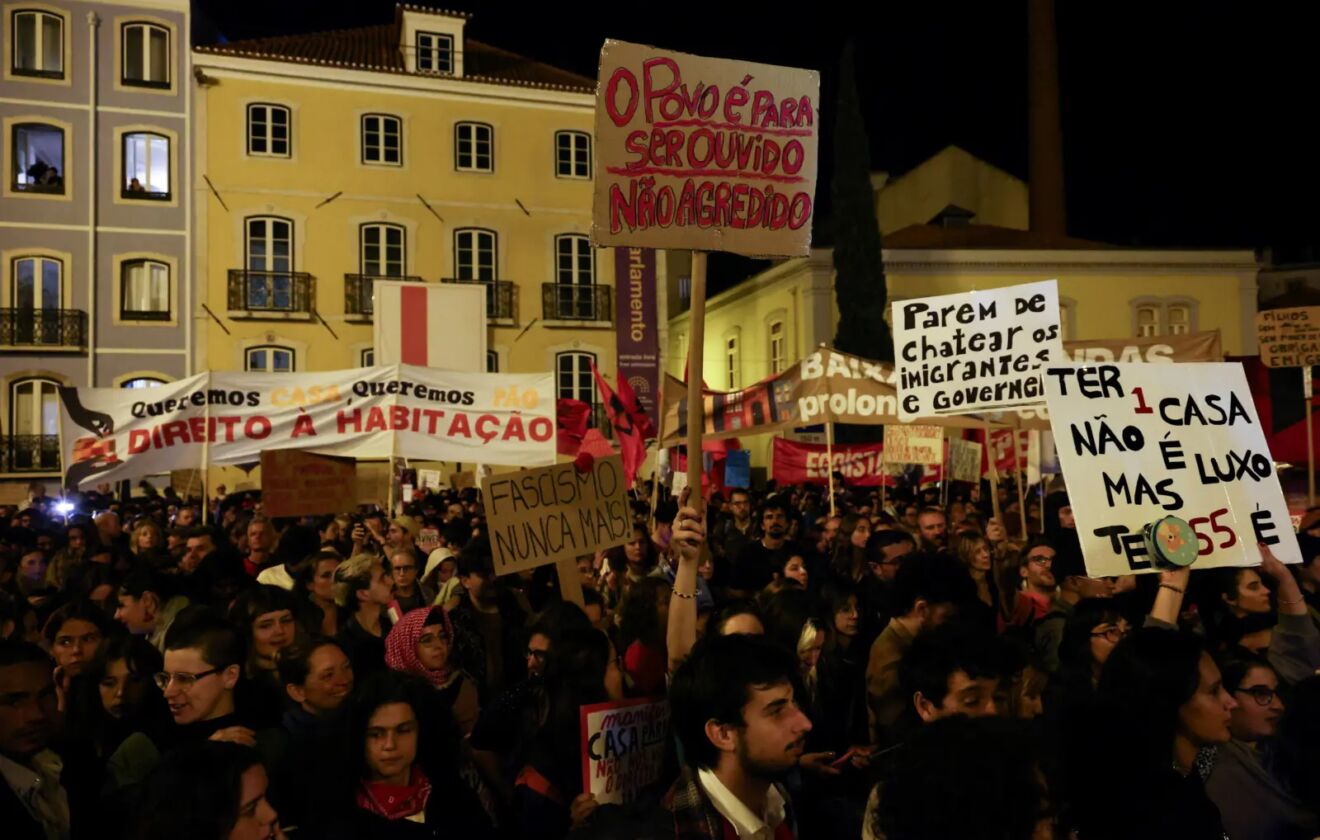
A housing protest in Portugal drew thousands of people outside parliament in Lisbon on Tuesday, as demonstrators gathered to voice anger over the country’s deepening housing crisis and recent police operations targeting housing activists. The protest took place as lawmakers inside debated the government’s draft budget for 2027, giving the demonstration added political weight.
Organizers said several thousand people packed the area surrounding parliament, chanting and carrying banners calling for more affordable homes and stronger protections for tenants. Police did not provide an official crowd estimate, but nearby shops and businesses closed at the request of city authorities as the demonstration grew.
The mood was angry. It was also tired. Portugal has one of the sharpest housing affordability problems in Europe. House prices have more than doubled since 2017. Rents on new leases have nearly doubled. Wages haven’t kept up, and young people have taken the worst of it.
Erica Rodrigues, a 39-year-old actress, said the problem reaches every age group. The cost of living in Portugal is very high for what people earn, she said. “It is unbearable.” She also had a message for the government, which she said had put on a “clown show” lately and done a poor job.
Joao Martins, 39, who is unemployed, said the crowd was fighting for decent, affordable homes for everyone. He wants a state budget that serves most people, not a few privileged ones. And he said they were marching for something else, too: the right to protest. In his words, that right had been “seriously threatened in recent days.”
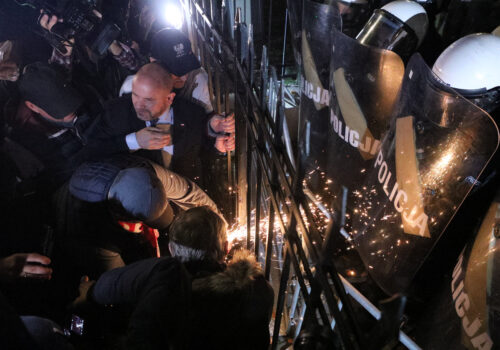
That’s the second reason for the crowd. On Sunday, police moved in to take down tent camps that housing activists had set up in Lisbon and Porto. Officers used batons. Activists and others accused them of excessive force. Tension had been building since an earlier clash in Porto in mid-October.
The numbers of injured are disputed. Police reported 11 minor injuries across the two operations, including three officers. The activist group Casa para Viver, which means Homes to Live, said 60 people were hurt. Hospitals in Lisbon said they treated 27 people for injuries. That’s more than double the five cases that police first reported.
Two investigations are now under way, with Portugal’s internal affairs watchdog, known as the IGAI, opening an inquiry into the police operations and prosecutors launching a separate investigation into how officers behaved during the raids.
Prime Minister Luis Montenegro defended the police when he spoke in parliament on Tuesday. He said officers acted according to the principles of “necessity, proportionality and adequacy.”
He opened the budget debate by addressing the issue first, acknowledging that the police action had dominated the news and shifted attention away from the government’s economic plans.
While he has said that protest is legitimate, he asked activist groups not to stir up instability that, in his view, has little support among the wider Portuguese public.
Protesters had one clear demand. They want the minority center-right government to scrap a bill that would speed up evictions and end rent caps on new leases. The bill passed a first reading in parliament, with the far-right Chega party abstaining.
A group called Acampada de Lisboa joined the rally. It called for a popular assembly to be held outside parliament. The budget debate is due to run through Tuesday and Wednesday.
The protests in Portugal echo others in Spain and across Europe, where people have taken to the streets over housing shortages, rising rents, and the growing difficulty of finding affordable places to live. In Portugal, the debate over housing has now merged with a second argument over how the state treats those who protest, with critics accusing police of using heavy-handed tactics against activists.
Both issues are likely to remain at the center of Portuguese politics in the weeks ahead, as lawmakers continue to debate the 2027 budget and pressure builds on the government to respond to public anger over housing and civil liberties.