Gen Z Protests Reach Germany With 160,000 Expected to March
A youth-led movement inspired by protests elsewhere in Europe plans rallies in Berlin, Frankfurt, Munich and other cities. Some shops have boarded up their windows.
BERLIN, Oct 31 – More than 160,000 people are expected to take to the streets across Germany on Saturday, organizers say, as a wave of Gen Z protests that began elsewhere in Europe reaches the country.
The young protesters are calling for better schools and universities, as well as a lower cost of living. The rallies, scheduled to begin in the afternoon, coincide with Halloween.
The protests are being organized by a campaign group called Gen Z regelt, which roughly translates to “Gen Z takes charge.” Rallies are planned in 34 cities, including Berlin, Frankfurt, and Munich. The group says it opposes compulsory military service and wants more funding for education at a time when many young Germans are struggling with rising living costs.
The movement grew quickly. Last weekend, about 130,000 people had signed up online to join protests in 23 cities. By Friday, the number of sign-ups had passed 160,000, and the number of cities had grown to more than 30.
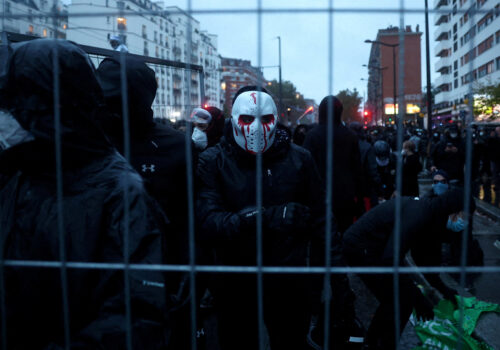
Germany isn’t the first country to see this kind of youth movement. Gen Z protests have swept across Europe this year. In Serbia, student activism helped remove the country’s long-time leader at the ballot box. In France, protests have turned into rioting and looting.
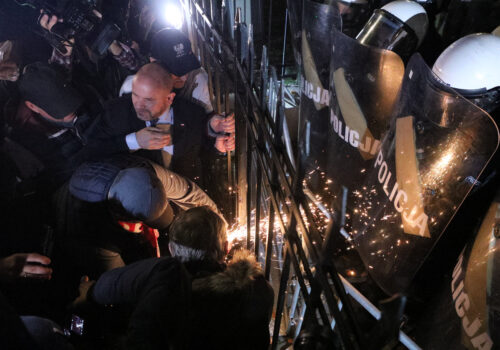
That has German officials on alert. Authorities say they expect Saturday’s rallies to be mostly peaceful. But they have warned that extremist groups may try to use the movement for their own ends.
According to the federal interior ministry, parts of Germany’s far-left extremist scene have joined efforts to rally support. So have some groups with links to extremist movements abroad. The ministry has said a clear line must be drawn between peaceful student protests and violent extremists.
Roman Poseck is the interior minister of Hesse, the state that includes Frankfurt, Germany’s financial center. Roman Poseck said many people still have the images from France in mind, including looting, burning buildings and attacks on police. “France must not be held up as a model in this regard,” Roman Poseck said.
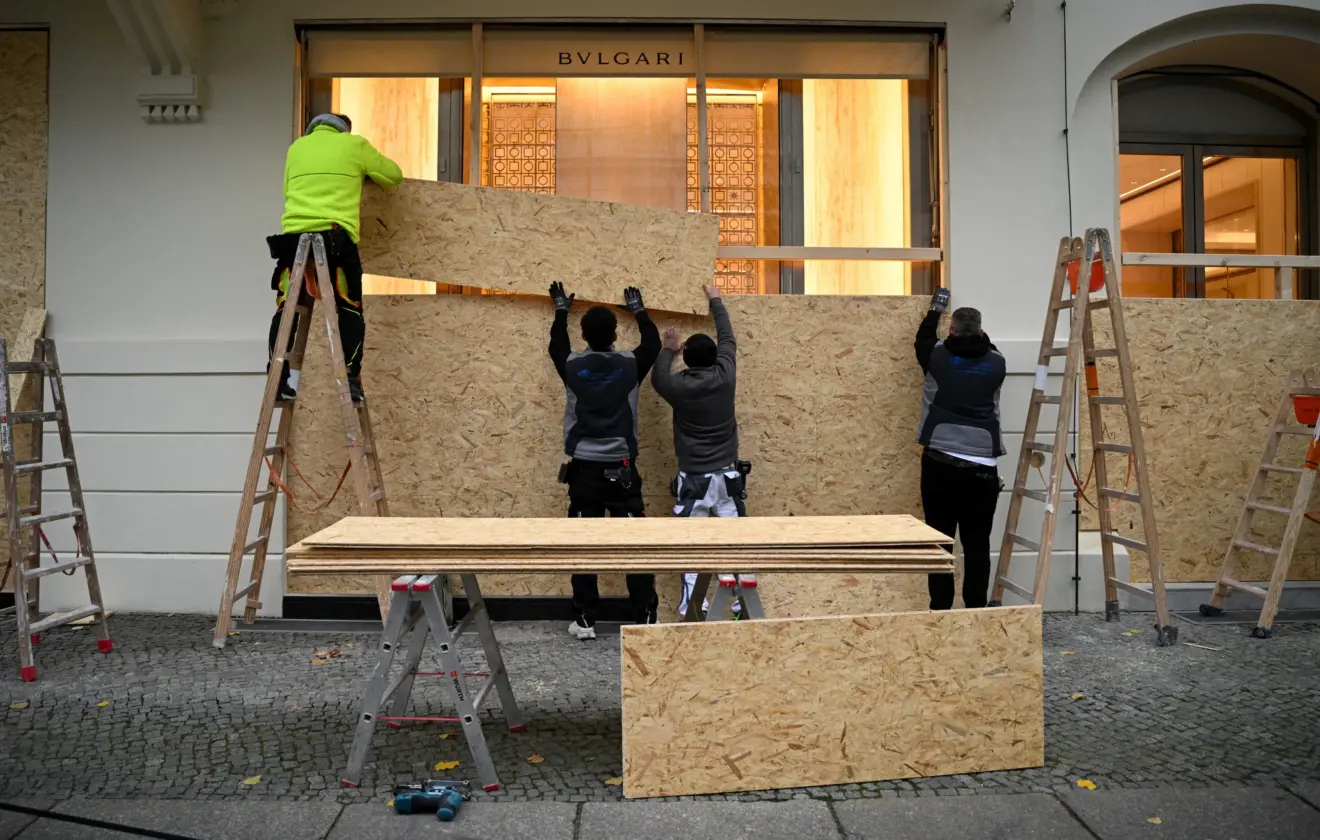
Some businesses aren’t taking any chances. In Berlin, shops along the upscale Kurfürstendamm shopping street boarded up their windows and planned to close early. Workers in Frankfurt were also seen covering a jewelry store with wooden boards on Friday.
For the organizers, though, the focus is on the pressure facing young people in Europe’s largest economy.
Steve, an 18-year-old who is due to speak at a rally in Munich, aimed his message at Chancellor Friedrich Merz. Steve said the government has answered young people’s concerns only with more cuts and more burdens. He said they will continue to exercise their right to gather in public until the government stops ignoring them.
The protests come as Germany struggles to get its economy growing again. At the same time, pensions and public services are under strain. More and more baby boomers are retiring, and the number of people of working age is shrinking.
Sean Baker, a student at the Technical University of Berlin, said he plans to join the protests to draw attention to the poor state of buildings on his campus. Sean Baker said some rooms look like they’re in an abandoned building, even though students are expected to study there every day.
Still, some people have questioned who is really behind the campaign, and whether young people truly lead it. A wide mix of political and civic groups is involved.
Germany’s national umbrella group for school students has distanced itself from the initiative. It plans to hold its own day of protest on November 20. Amy Kirchhoff, the group’s secretary-general, said on Thursday that it is keeping its distance from Gen Z regelt, but not from the students themselves, whose concerns she called legitimate.
There have also been signs of trouble inside the movement. The Berlin organizing team appears to have broken up in recent days, and some activists involved have reportedly pulled out, according to the German newspaper Tagesspiegel.
Gen Z regelt says it is directly organizing the main rallies in five cities: Berlin, Munich, Hamburg, Cologne and Frankfurt. Supporters are organizing other local events as well. The group has said it rejects all violence against people and property.