Who Could Become The Next Chief Executive Of Nvidia After Jensen Huang
Jensen Huang’s sudden exit has left Nvidia looking for a leader who can match his technical depth and his grip on the business. Colette Kress is in charge for now, while names from Apple, Arm, AMD and Broadcom are being raised as possible permanent successors.
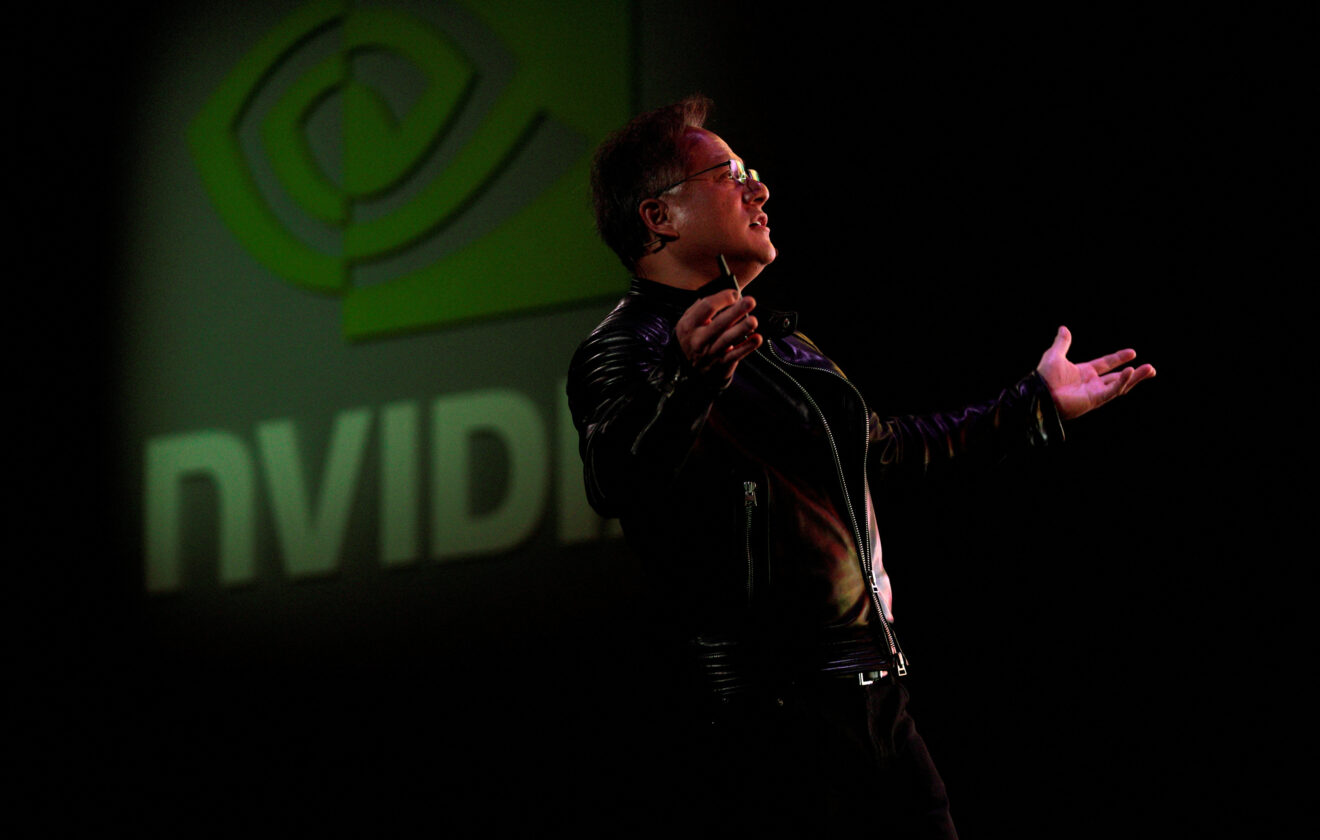
The search for the next chief executive of Nvidia began on Thursday after Jensen Huang resigned, and recruiters say the task may be harder than the one Apple faced when it had to replace Steve Jobs
Huang, 63, left with immediate effect after reports of extramarital affairs, including with a woman alleged to be a Chinese spy. Colette Kress, the company’s finance chief, is running Nvidia for now. The board says it will consider people from inside and outside the company.
The bar is high. Huang knew the company’s technology in far more depth than Jobs knew Apple’s, The New York Times noted. He built close ties with partners, customers and suppliers, made Nvidia a key player in Washington, and created a culture that turned out new products at speed.
Jeff Christian, who heads the executive search firm Christian & Timbers, said the board needs someone who can inspire staff and draw in top engineers.
“They have to get someone who is an inspirational leader, that people love,” Christian said, and also the new leader would need a spotless record for honesty.
The way Huang ran the company is another hurdle. About 60 people reported straight to him. Craig Stevens, a managing partner at the search firm Boyden, said more than 12 is already a problem, and that the next leader will need to change that.
“Things have to change structurally immediately,” Stevens said.
These are the names that recruiters, analysts and news reports have raised so far.
Colette Kress
Colette Kress, 59, has been Nvidia’s chief financial officer since 2013. Before that, she held senior finance roles at Cisco Systems, Microsoft and Texas Instruments.
At Nvidia, she has managed the company’s finances through its transformation from a maker of gaming chips into one of the world’s most valuable firms.

She leads the call with investors each time Nvidia reports its results, which has given her strong ties on Wall Street. She was named acting chief executive on Thursday.
But she is not an engineer, and recruiters say Nvidia’s next leader will need deep technical knowledge.
Her long experience at the company and her familiarity with investors could provide stability during a period of uncertainty. She has helped guide Nvidia through rapid growth, major shifts in demand and increasing scrutiny from regulators and governments.
Still, her background in finance rather than engineering could make her a transitional choice rather than a long-term successor. Nvidia’s next permanent leader will need to understand both the company’s technology and the competitive pressures facing the global artificial intelligence market.
Ian Buck
He is a vice president at Nvidia who oversees its business serving large data centers and high-performance computing customers.
He joined the company in 2004 after conducting research at Stanford University, where he worked on using graphics chips for general-purpose computing. At Nvidia, he helped create CUDA, the software platform that allows developers to use the company’s chips for tasks well beyond video games.
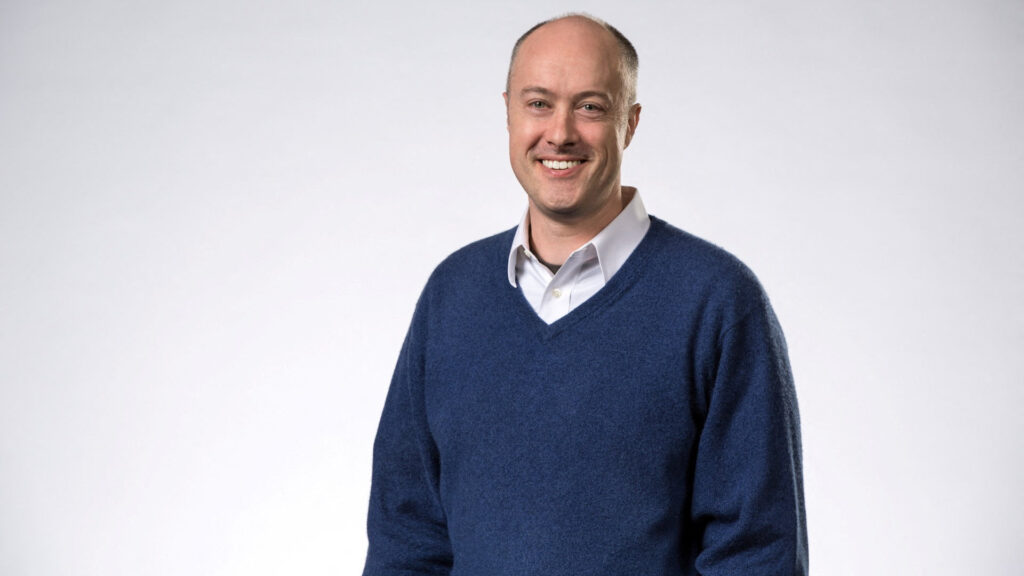
CUDA is now the foundation for much of the world’s artificial intelligence work and is one of the main reasons rivals have struggled to catch up with Nvidia. He now manages relationships with the large companies that buy Nvidia chips in bulk, including cloud providers and major technology firms.
He has testified before Congress, but he has not led a company or a large business unit with full responsibility for profits and losses.
His deep knowledge of Nvidia’s technology and its most important customers could make him a strong internal candidate. However, his limited experience running a major business division could raise questions about whether he is ready to lead a company of Nvidia’s size and global reach.
The next chief executive will need to balance Nvidia’s technical leadership with the commercial and political pressures now shaping the artificial intelligence industry.
Tim Cook
Tim Cook, 66, is the best-known outside name. He joined Apple in 1998 to run its operations and supply chain, became chief operating officer and succeeded Steve Jobs as chief executive in 2011.
Under his leadership, Apple grew into one of the world’s most valuable companies. He stepped down as chief executive in September and now serves as Apple’s executive chair.
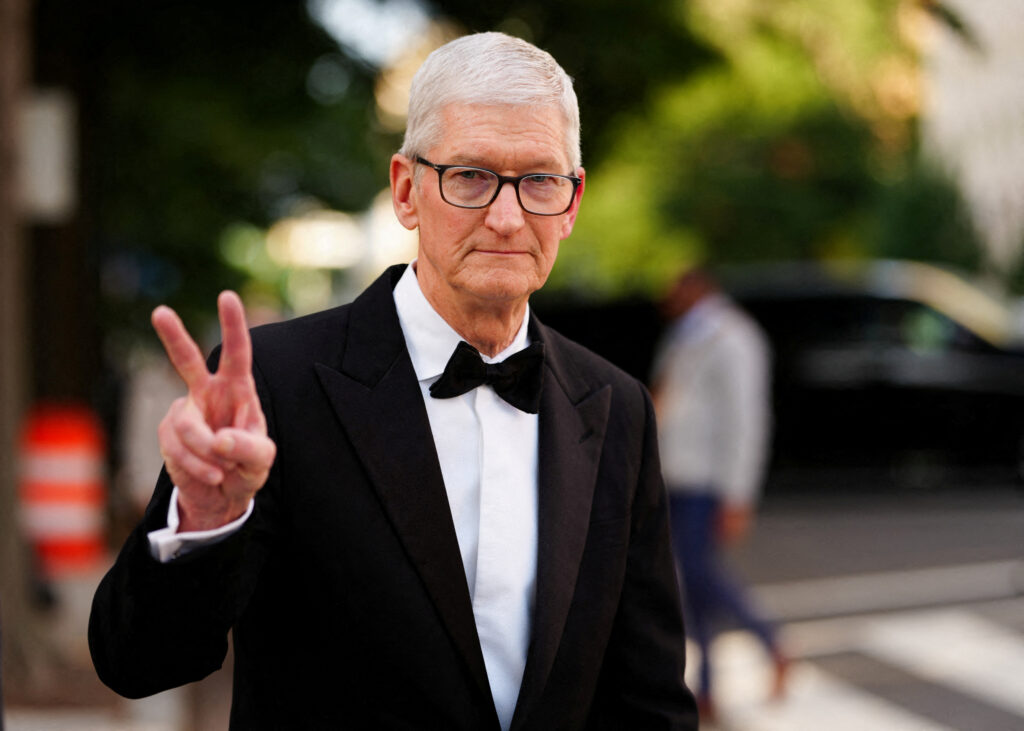
On Thursday, President Donald Trump said Cook should replace Huang. But Cook has not been closely involved in artificial intelligence, and he is older than most people chosen to lead major public companies.
Stevens said Cook could serve as a longer-term interim leader after Kress.
Cook’s experience running one of the world’s largest technology companies could appeal to Nvidia’s board as it seeks stability after Huang’s departure. His background in operations and supply chains could also be useful as Nvidia works to meet surging demand for its chips from artificial intelligence companies and data center operators.
But his limited direct experience in artificial intelligence and semiconductor design could raise questions about whether he is the right long-term choice. Nvidia’s next leader will need to guide the company through intense competition, rapid technological change and growing scrutiny from governments and investors.
Johny Srouji
Johny Srouji is Apple’s senior vice president of hardware technologies. The Israeli engineer joined Apple in 2008 after working at Intel and IBM.
He leads the teams that design Apple’s own chips, from the processors in the iPhone to the M-series chips that replaced Intel processors in Mac computers. Those chips now include built-in artificial intelligence features.
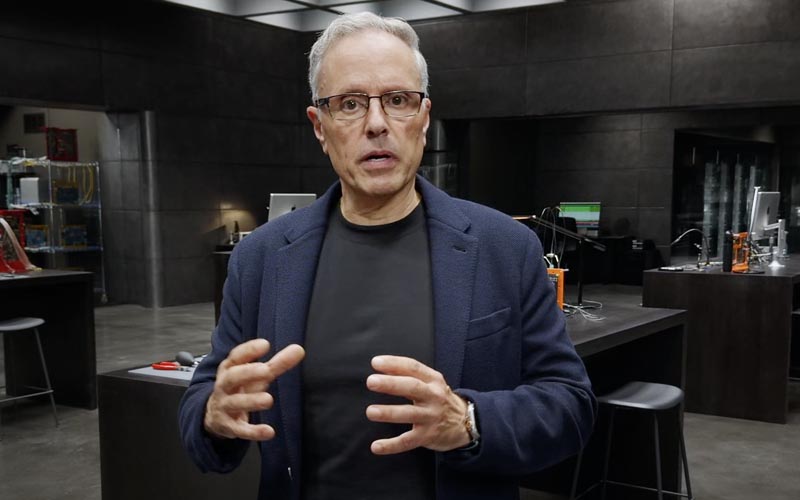
But Srouji has a low public profile, and Apple’s chips are designed for phones, tablets and computers rather than the data centers where most artificial intelligence work takes place.
His work has helped Apple reduce its reliance on outside chip suppliers and gain greater control over the performance, power use and security of its devices. Under his leadership, Apple has developed custom silicon for a range of products, including the A-series processors used in iPhones and the M-series chips used in Mac computers.
Srouji’s experience in chip design could be valuable to Nvidia, which faces rising competition from companies building their own processors for artificial intelligence. However, his limited public profile and Apple’s focus on consumer devices could raise questions about whether his experience matches the demands of leading a company at the center of the global AI computing market.
Any appointment of an Apple executive would also mark a significant shift for Nvidia, whose leadership has long been closely associated with its founder and the company’s role in supplying the chips that power much of the world’s artificial intelligence infrastructure.
Rene Haas
Rene is the CEO of chip tech provider Arm Holdings. Rene Haas, 64, has been chief executive of Arm Holdings, the British chip design company, since 2022. He worked at Nvidia from 2006 to 2013, where he led its computing products business.
He later worked closely with Huang when Nvidia agreed in 2020 to buy Arm. The deal collapsed in 2022 after regulators in several countries opposed it. As Arm’s chief executive, Haas led the company’s listing on the Nasdaq exchange in 2023.
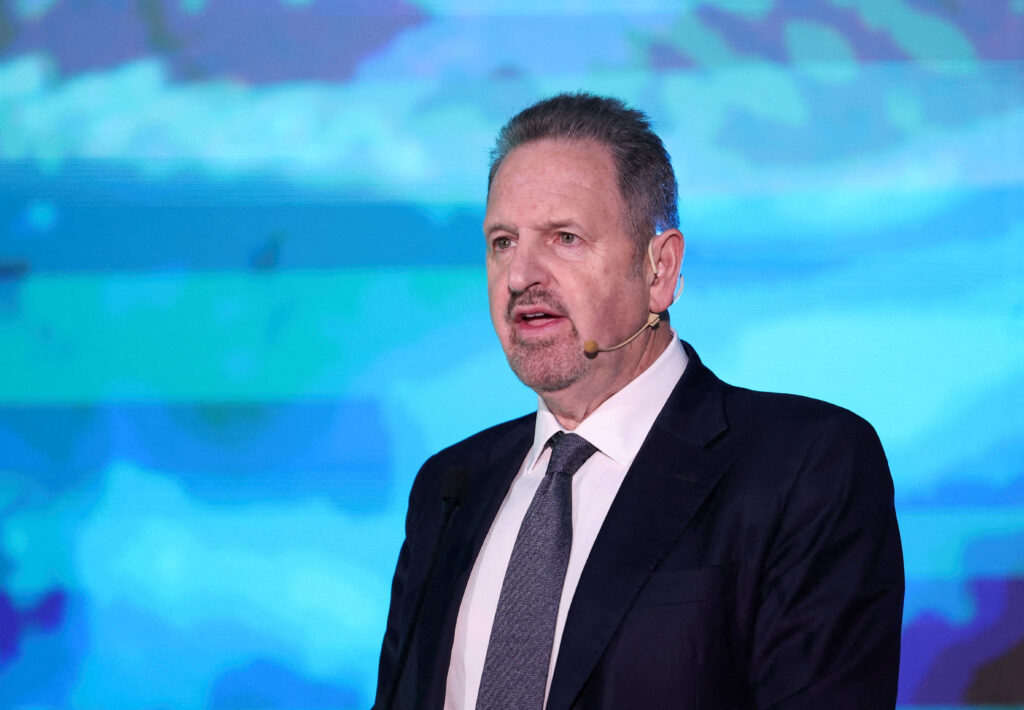
His earlier experience at Nvidia could make him a familiar figure to the company’s board and senior leadership. During his time there, he helped oversee products used in computing systems, giving him direct knowledge of the markets in which Nvidia competes.
His role at Arm would also give him insight into the wider semiconductor industry. Arm designs the underlying chip architecture used by many companies, including firms that build processors for smartphones, data centers and other devices around the world.
Haas’s experience leading a public company could be seen as valuable as Nvidia faces increased scrutiny from investors, regulators and governments. His familiarity with both Nvidia and Arm could also help him understand the competitive and commercial pressures shaping the global chip market.
Forrest Norrod
He is an executive vice president at Advanced Micro Devices, Nvidia’s main rival. He runs its business selling chips for data centers, including those used for artificial intelligence.
He joined Advanced Micro Devices in 2014 after running Dell’s server business. Under his leadership, the company has become the clear number two to Nvidia in data center chips.
Christian said Norrod is highly regarded and has many of the leadership traits Nvidia needs.

His experience in data center computing would be closely watched if he were considered for the role. Advanced Micro Devices has expanded its presence in artificial intelligence by developing processors and accelerators designed to compete with Nvidia’s chips in large-scale computing systems.
Norrod’s background at Dell could also give him insight into the server market, where companies build and operate the machines that power cloud services and AI workloads. That experience could help Nvidia navigate a market increasingly shaped by cloud providers, chip designers and large technology companies seeking more control over their computing infrastructure.
Any move to appoint a rival executive would signal that Nvidia’s board is seeking a successor with deep knowledge of both semiconductors and the competitive pressures facing the artificial intelligence industry.
Charlie Kawwas
Charlie Kawwas is another name from a rival chipmaker. He has served as president of Broadcom’s Semiconductor Solutions Group since July 11, 2022, overseeing the company’s broad semiconductor portfolio, worldwide semiconductor sales and global operations.
Before that, he was Broadcom’s chief operating officer. Kawwas joined the company through the LSI acquisition, where he was head of worldwide sales.
Broadcom has become a key partner for companies such as Google that design their own artificial intelligence chips. It supplies custom chips and networking technology that help data centers run AI systems at scale, putting it in direct competition with Nvidia in parts of the fast-growing AI market.
Kawwas’s experience spans sales, operations and semiconductor development, giving him a broad view of the industry. At Broadcom, he has helped oversee a portfolio that includes chips used in data centers, networking equipment and communications infrastructure.
His appointment would signal that Nvidia’s board is looking beyond its own ranks for a leader with experience in the markets now challenging the company. It would also underline how central custom AI chips and data-center networking have become to the competition among the world’s largest technology firms.
A leader from Broadcom could bring knowledge of how major cloud companies develop and deploy their own chips. That experience could prove important as Nvidia faces growing pressure from customers seeking alternatives to its processors and from rivals trying to win a share of the AI computing market.
Lisa Su
Lisa Su, who has led Advanced Micro Devices since 2014, has also been named in some reports. She oversaw the company’s turnaround from a period of severe difficulty and its expansion into data center chips.
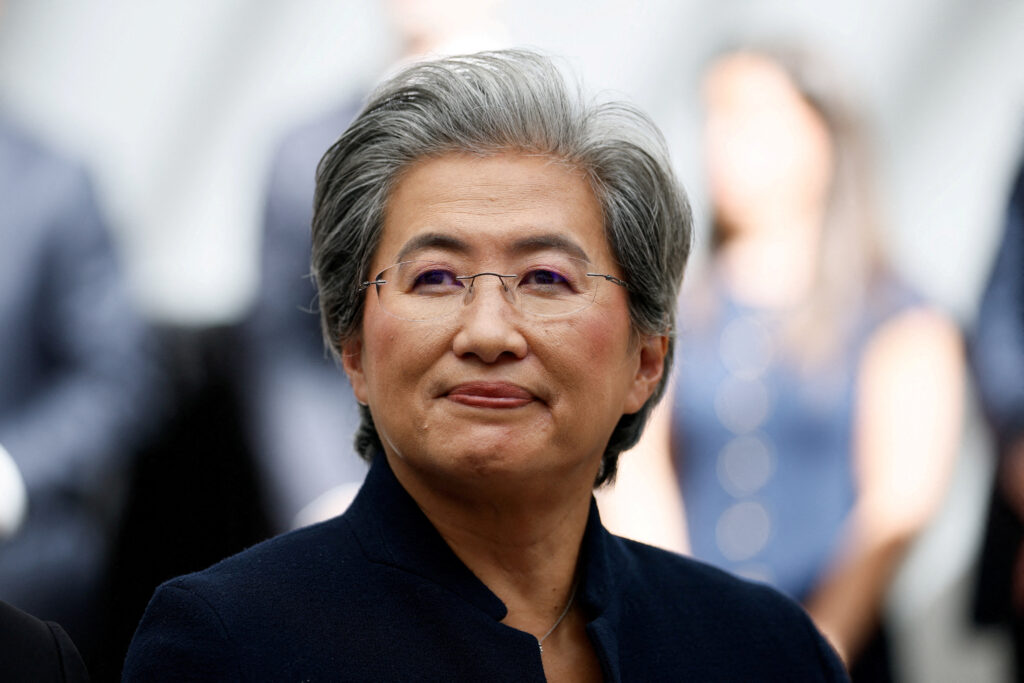
Under her leadership, Advanced Micro Devices has become a major competitor to Intel and Nvidia in processors used for servers, personal computers and artificial intelligence. Su has been credited with rebuilding the company’s product lineup, improving its manufacturing partnerships and expanding its presence in high-performance computing.
She joined Advanced Micro Devices in 2012 and previously held senior roles at Freescale Semiconductor and IBM. Su holds a doctorate in electrical engineering from the Massachusetts Institute of Technology and is widely regarded as one of the most influential figures in the global semiconductor industry.
Her technical background and experience leading a major chipmaker could make her a strong candidate for Nvidia. However, she is already leading one of Nvidia’s closest rivals, and moving her to the company would be a major shift in the competitive landscape of the artificial intelligence and semiconductor markets.
Nvidia has not said how long the search for the next chief executive will take. On Thursday, it also named the tech investor Harvey Jones as its first chair.