COP31 Climate Summit Opens In Antalya With Fossil Fuels And Climate Finance In Focus
Countries have two weeks to agree on next steps against global heating. Turkey is the host, Australia runs the talks, and Washington is staying away.
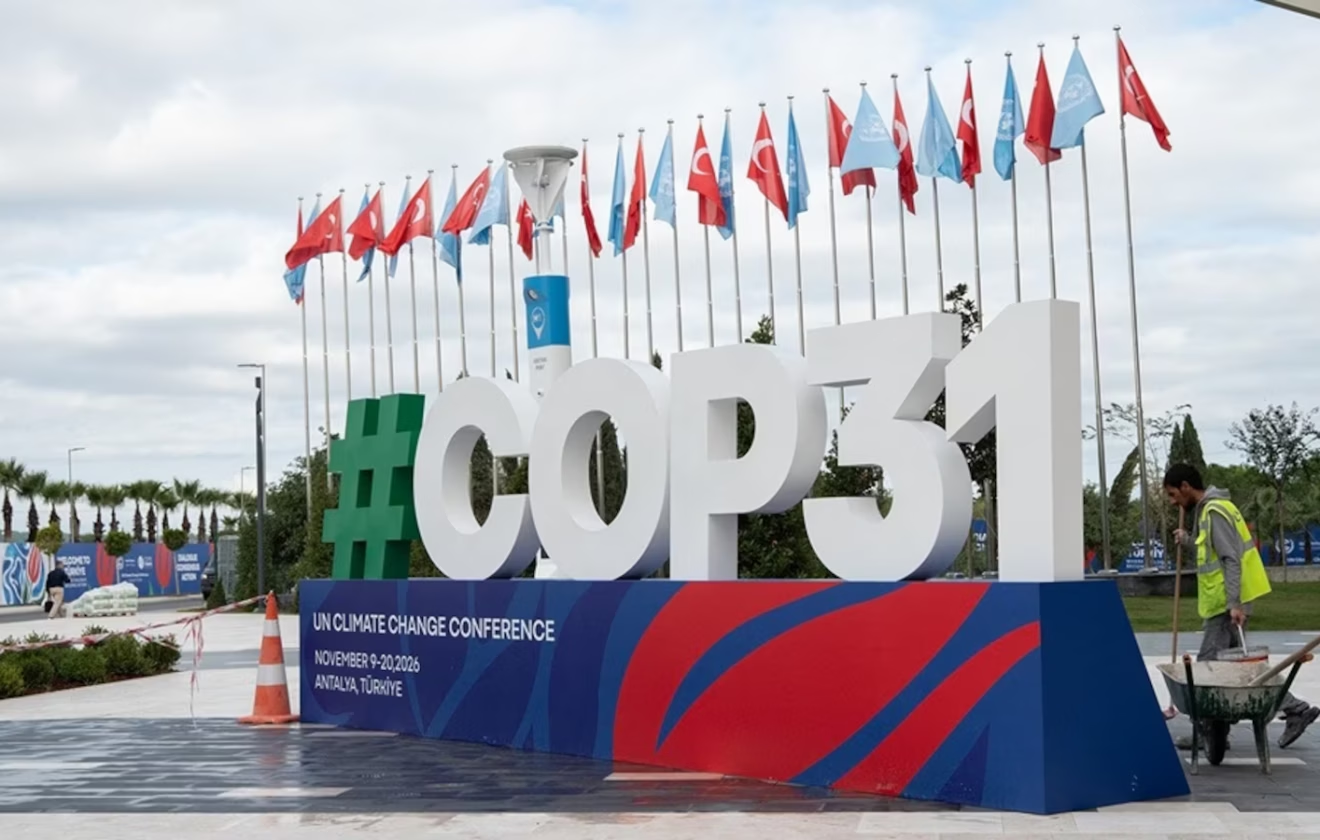
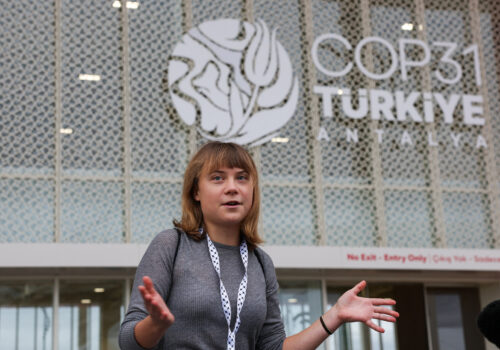
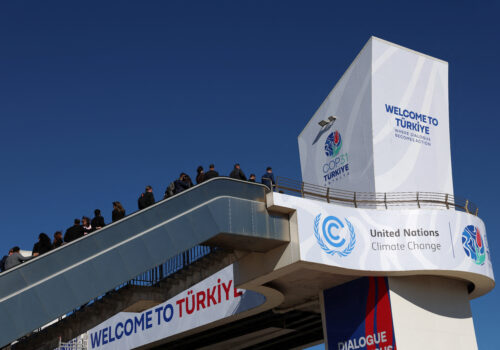
ANTALYA, Turkey, Nov 10 – The COP31 climate summit is underway in the Turkish city of Antalya, where officials from nearly 200 countries began two weeks of talks on Monday. They are meeting at a time when the planet is heating faster than ever.
But one big country is not at the table.
The United States, under President Donald Trump, has withdrawn from the Paris climate agreement and will not participate in the talks. Nearly all other countries that signed the agreement in 2015 are expected to attend.
That does not mean no Americans will be there. Several members of Congress plan to come, along with business leaders and civil society groups. Some reports say a congressional group of about 19 lawmakers is expected.
The summit is the 31st United Nations climate conference, and it runs until November 20. World leaders will gather for a separate summit on November 11 and 12.
This year, the setup is unusual. Turkey and Australia both wanted to lead the meeting, so they struck a deal to share it. Turkey is the host. Australia is in charge of the formal talks, where countries argue over the details of each agreement.
Under the agreement, Australia will lead discussions on climate finance, a “just transition” for workers, and efforts to keep global warming as close as possible to the Paris Agreement’s target of limiting temperature rise to 1.5 degrees Celsius above pre-industrial levels.
Turkey will oversee the “action agenda,” a set of voluntary, non-binding commitments covering waste reduction, methane emissions, food security, and most importantly the global transition to electric power.
The 1.5-degree threshold has already been exceeded. However, the United Nations says that rapid reductions in greenhouse gas emissions could limit the extent of the overshoot and allow temperatures to decline again by the end of the century. Achieving this would require countries to move away from oil, gas, and coal at a much faster pace.
Fossil fuels are a hard topic at these talks. Oil-producing countries pushed back for years. It was only in 2023, at the COP28 summit, that a final deal named fossil fuels for the first time. It called for a “transition away from fossil fuels,” but it set no deadline and no plan.
This year, the issue will be addressed through a road map proposed by Brazil, which hosted last year’s summit. The plan is not legally binding. Brazil has also introduced a second road map aimed at halting deforestation.
Financing remains another major point of contention. Poor countries argue that they need far greater support to cope with increasingly severe floods, storms, and heat waves. Nepal recently gained access to a global fund for “loss and damage” following deadly flooding. However, developing nations say the assistance is insufficient and that they lack the resources to make roads, homes, and power infrastructure resilient to extreme weather.
At the same time, wealthy countries have been reducing foreign aid, while higher interest rates have increased the debt burden on poorer nations.
According to one report, nearly 50 countries have yet to submit updated climate plans. Negotiators are expected to press for those commitments to be finalized during the talks.
Outside the formal talks, some countries are moving on their own. Earlier this year, more than 60 nations, including Britain, the members of the European Union and dozens of developing countries, met in Colombia and pledged to move away from fossil fuels. That group could grow in Antalya.
Some of the change is already happening on the ground. China’s oil imports are expected to fall by about 12% this year, as more people buy electric cars, the Guardian reported. Its capacity to make power from renewable sources is now bigger than its coal capacity.
Solar power is expanding rapidly across Africa. In Pakistan, rooftop solar panels installed by households now generate roughly a quarter of the country’s electricity. In some countries, electric vehicles account for nearly half of all new car sales.
Jan Rosenow, a professor at the University of Oxford, says the shift to electrification is so efficient that it could reduce global primary energy consumption by half.
Oil prices remain elevated following the war with Iran. Supporters of clean energy argue that this strengthens the case for accelerating the transition to renewable sources.
Brazilian President Luiz Inacio Lula da Silva, who was recently re-elected, is expected to attend. It will be his first overseas trip since winning the election.