Beijing Population Set to Become Super-Aged by 2035
A new projection points to a sharp rise in the share of older residents in China's capital over the next nine years.
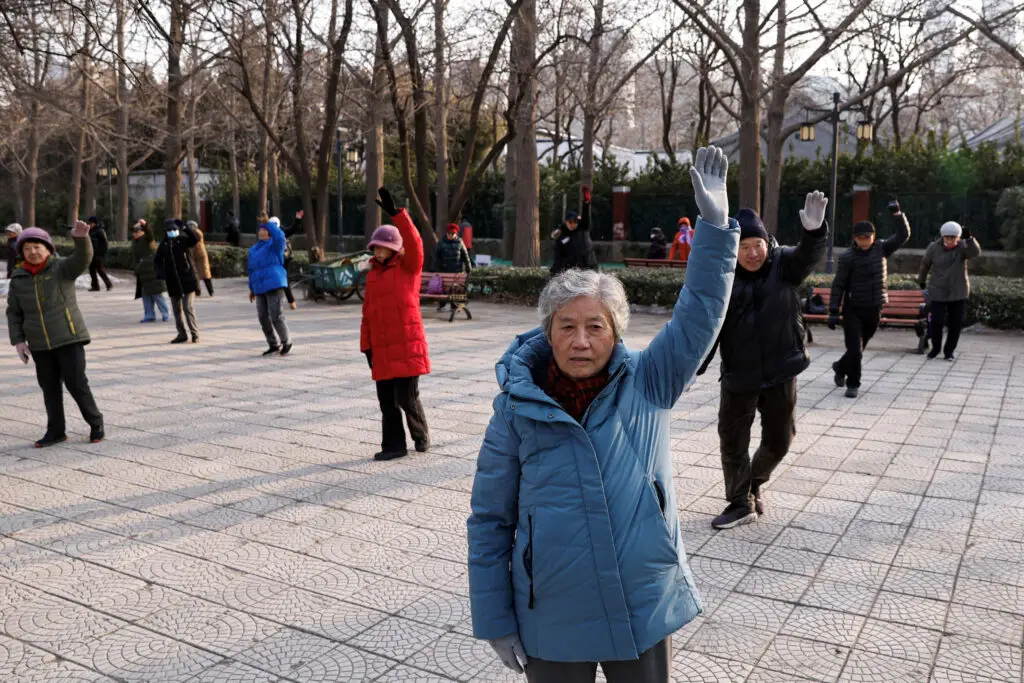
About one in three Beijing residents is projected to be 60 or older by 2035, making the capital a “super-aged” city, reported by Beijing Daily on Saturday.
The capital had 5.29 million permanent residents in that age group at the end of last year, almost a quarter of its population, the newspaper said. A year earlier the number was 5.14 million, and it had only just passed 5 million for the first time.
City authorities are adding support for older people and have raised the basic pension, according to the report. At an elderly care forum held in Beijing this month, officials said the city has 2,950 community canteens for older residents, which served some 14.2 million meals in 2025, and 207 care homes with medical services, offering 59,000 beds. About 13,000 companies in the city list elderly services in their business scope. Plans for the next five years include more pension insurance options, more community care for people who are very old or disabled, and a geriatrics department in more than 95 percent of large general hospitals by 2030.
The 2035 figure is not new. A city plan issued in 2021 already projected that people over 60 would make up more than 30 percent of the population by then. The latest projection is slightly higher.
Beijing is older than the country as a whole. In 2024, people aged 60 and above were 23.5 percent of permanent residents, 1.5 points above the national share. In the Xicheng, Mentougou and Dongcheng districts, the share was already above 30 percent.
Nationally, China’s population has been falling since 2022, and the country is aging fast. That makes it harder for the government to raise consumer spending and keep debt in check. Hundreds of millions of people will leave the workforce in the coming years, and pension budgets are already under strain.
The government has put population policy at the center of its economic plans. One estimate puts the possible cost of efforts to raise births at about 180 billion yuan ($26.92 billion) this year. Demographers and economists say fewer children now could mean fewer households later and slower growth in spending.
There is no single definition of “super-aged.” The usual international benchmark is a population in which more than 21 percent of people are 65 or older. Chinese health authorities use a different measure, counting everyone aged 60 and above, and they project that this group will make up more than 30 percent of the national population by around 2035, or over 400 million people.