ASEAN And China Agree To Avoid South China Sea Escalation
China and Southeast Asian leaders have agreed to avoid steps that could inflame disputes at sea. But the long-awaited pact on the South China Sea will not be done this year.
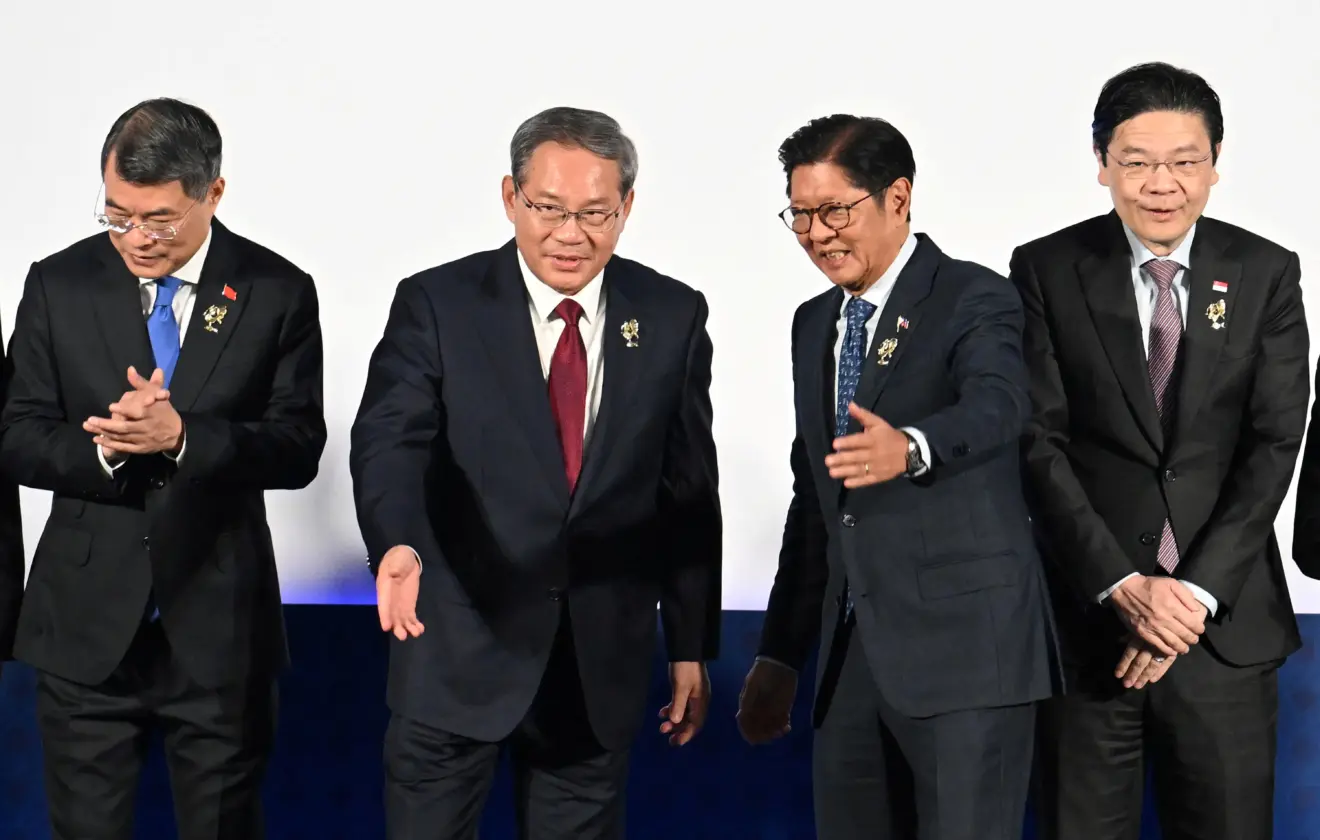
MANILA, Nov 17 – China and Southeast Asian leaders pledged on Monday to avoid actions that could escalate disputes in the South China Sea, as they sought to maintain momentum in negotiations on a code of conduct that will now extend into next year.
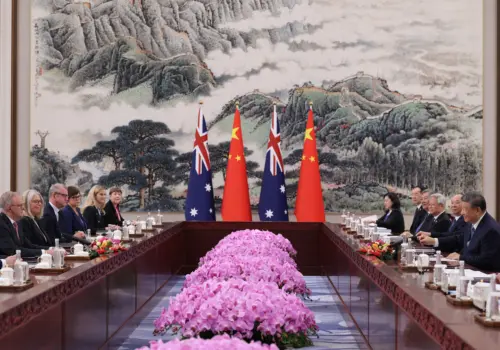
The issue was high on the agenda at the annual meeting between leaders of the Association of Southeast Asian Nations and Chinese Premier Li Qiang in Manila. Philippine President Ferdinand Marcos Jr., who chairs the bloc this year, co-chaired the meeting with Li.
Li said he hoped the code of conduct could be concluded soon, and that it would help bring peace and stability to the region, according to China’s official Xinhua news agency.
Marcos praised the progress made in the talks this year.
The two sides didn’t immediately release a joint statement. But a draft seen by reporters has the leaders pledging “to exercise self-restraint in the conduct of activities” that could complicate or escalate disputes.
According to the draft, they’ll also welcome the progress made so far. And they’ll stress the need to keep a positive climate for the negotiations.
The two sides had agreed to finish the talks this year. That goal won’t be met.
On Sunday, Philippine Foreign Secretary Theresa Lazaro said roughly 80% of the paragraphs had been agreed. She said three difficult issues remained unresolved and that negotiations would continue next year, when Singapore takes over the bloc’s chairmanship.
According to Southeast Asian diplomats, the outstanding issues concern the geographic area the pact would cover, the definition of certain sensitive terms and whether the agreement should be legally binding.
China and the bloc began talks on the code around 2005, to prevent maritime disputes from escalating into a wider conflict that could disrupt Asia’s economies. The pact primarily calls for restraint and discourages aggressive actions in the busy trade route.
The negotiations have been conducted behind closed doors and have at times stalled amid tense standoffs at sea. In 2023, the two sides agreed to accelerate the process and work toward reaching a deal by this year.
This year, the Philippines pushed for more frequent meetings, at least once a month, to give negotiators more time, according to diplomats. China and Malaysia, which oversees the bloc’s relations with Beijing, led at least 10 major rounds of talks.
China, Taiwan and four of the bloc’s members, Brunei, Malaysia, the Philippines and Vietnam, have rival claims in the South China Sea. The waters are also thought to hold large deposits of oil and gas.
In recent years, the sharpest clashes have been between Chinese and Philippine coast guard and naval forces near disputed shoals.
The dispute has also turned deadly in the past. A clash with Chinese forces over a reef in 1988 killed dozens of Vietnamese troops, in some of the worst fighting known in the area.
Julio Amador III, a geopolitical analyst in Manila, said the code of conduct alone may not stop aggression. But he said that, combined with diplomacy and stronger military power, it could make would-be aggressors think twice.
“Restraining great powers takes a lot of effort,” Amador said.
He said the Philippines needs every tool it has, from a code of conduct to legal cases against China and higher military spending.
The South China Sea is widely seen as a flashpoint that could draw in the United States. Washington makes no claim to the waters. But it has warned that it’s bound to defend the Philippines, its oldest treaty ally in Asia, if Filipino forces are attacked, including at sea.
China has told the United States to stay out of what it calls a purely Asian dispute.
The meeting with Li was part of the wider Manila summit of Southeast Asian leaders, which also covers the war in the Middle East and the crisis in Myanmar.
Li was set to leave Manila before President Donald Trump arrives on Tuesday.