Jensen Huang Resigns as Nvidia Chief Executive
The co-founder who built Nvidia into a giant of artificial intelligence has left with immediate effect. Its finance chief will run the company until a permanent successor is found.
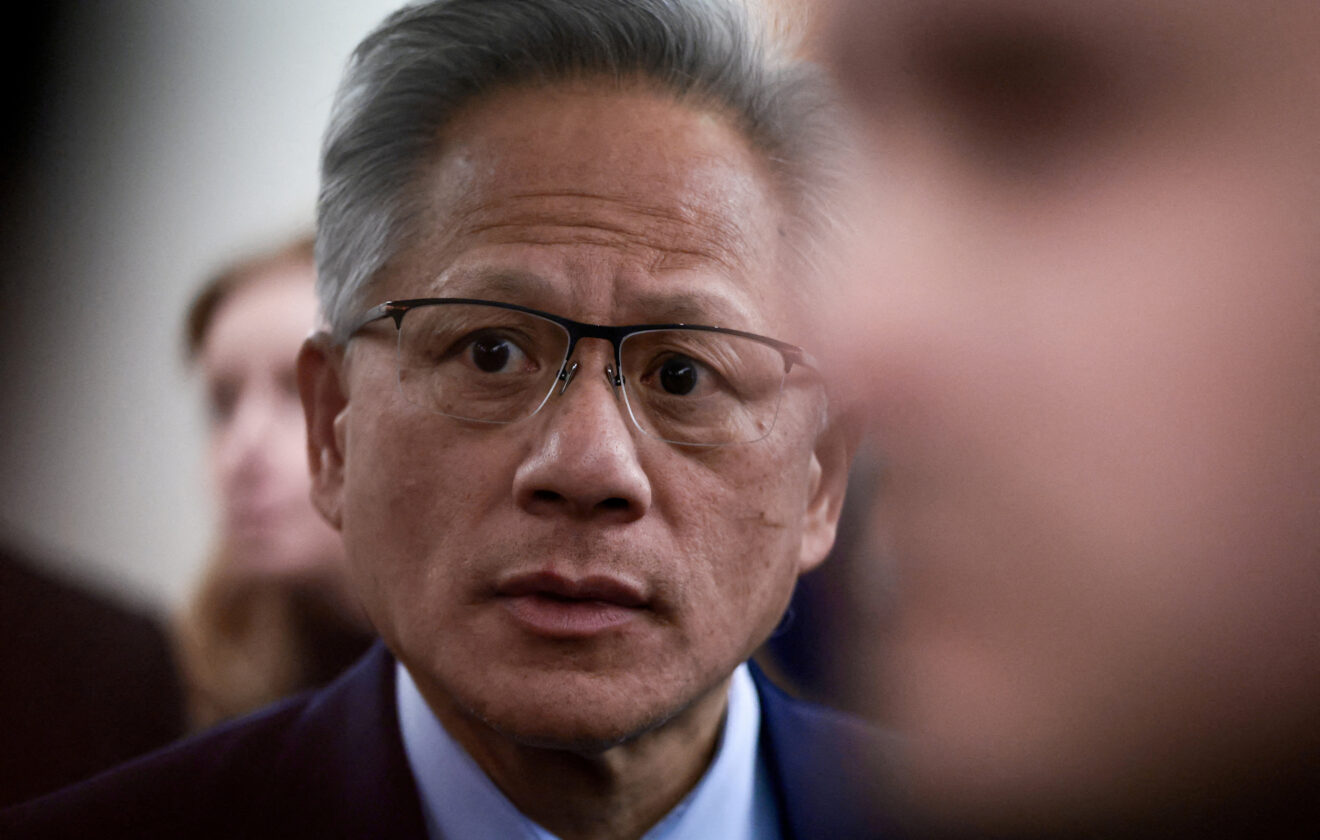
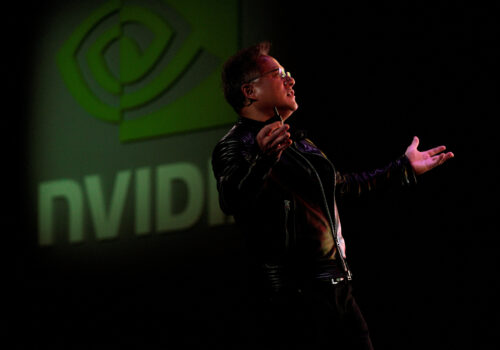
SAN FRANCISCO, Nov 13 – Jensen Huang resigns as chief executive of Nvidia after reports that he had extramarital affairs with a woman alleged to be a Chinese spy and with two company employees, the chipmaker announced on Thursday.
Huang, who co-founded Nvidia in 1993 and led the company for more than three decades, stepped down as chief executive, president and board member with immediate effect, the company said.
Colette Kress, Nvidia’s chief financial officer, will lead the company on an interim basis until a permanent successor is appointed.
The board’s statement did not mention the spying allegations or reports about Huang’s personal conduct. Instead, it praised his work at the company.
“Jensen’s contributions to Nvidia are profound,” the board said.
It thanked him for what it called his immeasurable contributions to the company and the industry.
Investors reacted sharply. Nvidia shares fell 13% when trading opened on Wall Street. They recovered part of the loss and closed down 4.3%. That wiped more than $180 billion off the company’s value on Thursday and around $490 billion over the week, leaving it worth about $4 trillion.
The crisis began last month, when The New York Times reported that Huang had a close relationship with Alice Huang, a Chinese businesswoman and Nvidia customer unrelated to him.
She is linked to Megaspeed, a data center firm based in Singapore. United States intelligence agencies suspect she is a Chinese asset, according to several reports.
Nvidia initially said there was nothing unusual about the relationship. That changed on Sunday, when Huang told staff he had been unfaithful to his wife, Lori. He did not name Alice Huang.
The same day, the board opened an inquiry into whether he had been the target of a foreign espionage effort.
The board hired the law firm Wachtell, Lipton, Rosen & Katz to conduct the review. The firm had said Huang should continue leading the company while it worked on it.
But the pressure continued to build. Late on Wednesday, The New York Times reported that Huang had had a separate affair with a senior Nvidia executive responsible for health care. It said the two were seen on video at a hotel during a company conference in March. The board met late that night to discuss his future.
After his resignation was announced, Reuters reported a third alleged affair, with another Nvidia employee, citing two people familiar with the matter. Reuters did not name her.
Huang has denied knowing that Alice Huang was allegedly working for the Chinese government. He has agreed to testify before Congress.
President Donald Trump, who had defended Huang earlier in the week, quickly turned to the question of who should replace him. In a social media post, he called on Tim Cook, Apple’s former chief executive and current executive chair, to take the job.
“A Legend replaces a Legend!” Trump wrote.
The board said it would consider candidates both from within and outside the company. Cook, who stepped down as Apple’s chief executive in September, had been seen as a possible choice even before Trump spoke. Others mentioned include Rene Haas, head of the British chip designer Arm Holdings, and Lisa Su, chief executive of AMD.
Inside Nvidia, Kress and Ian Buck, who runs its artificial intelligence hardware and software business, are seen as contenders.
Nvidia also named Harvey Jones, a tech investor, as its first chair.
Analysts were divided. Dan Ives, a senior tech analyst in the United States, said the board did what it had to do and that Nvidia is still ahead of its rivals.
He said the board had chosen to “rip off the Band-Aid.”
Neil Wilson, an analyst at Saxo UK, said Nvidia will need an exceptional leader to replace Huang. He said Huang’s command of every aspect of the company’s products is hard to compare with somebody else.
Still, he said Nvidia is in a strong position, with new products and orders lined up.
Huang ran Nvidia with an unusually flat structure, with about 60 people reporting directly to him. He owns about 3.6% of the company. He was worth $145 billion on Thursday morning, according to Bloomberg, making him the 13th richest person in the world.
His exit comes at a key moment in the race between the United States and China over artificial intelligence.
Nvidia makes the chips used to train and run artificial intelligence models for companies such as OpenAI and Anthropic, and its market value topped $5 trillion at one point last year.