Bangladesh Violence Flares As Hasina Supporters Stage Protests Demanding Her Return
The banned student wing of Hasina’s party took to the streets a day after she asked for a passport to come home. The government says it will not let anyone stir up unrest.
DHAKA, Nov 11 – Violence flared in Bangladesh this week as police fired tear gas and rubber bullets at supporters of former Prime Minister Sheikh Hasina, who are demanding that she be allowed to return home.
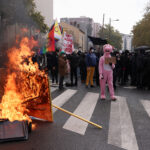
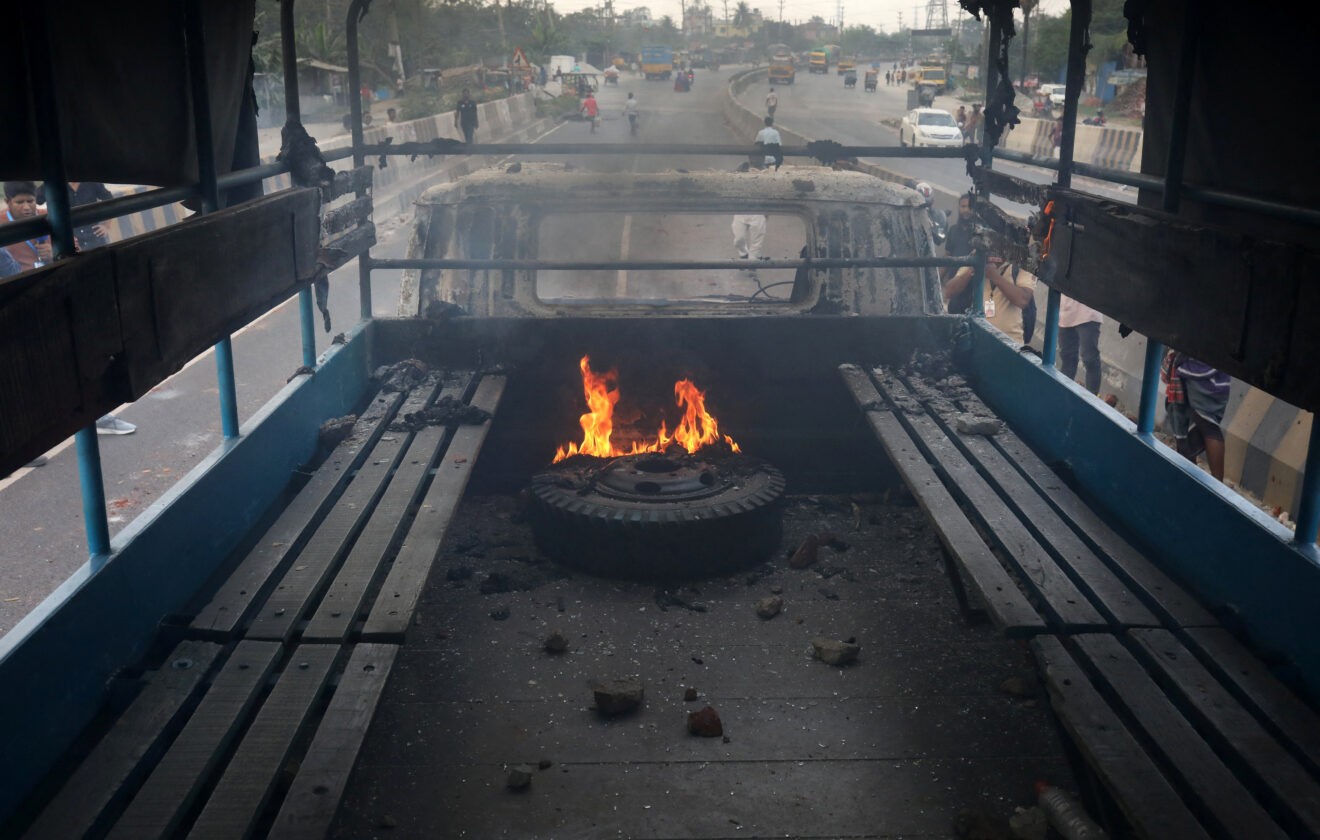
In Gopalganj district, a police vehicle was set on fire as the banned student wing of Hasina’s Awami League party, the Bangladesh Chhatra League, clashed with security forces.
The protests spread across the country, beginning a day after Hasina said she had applied for a passport to enable her return from exile in India.
They are seen as the first organized show of strength by her supporters since she was forced from power in August 2024 following a massive uprising against her rule.
In some areas, protesters tried to block roads with burning tires. Traffic was cut off in parts of the country. Before the protests, several buses and other passenger vehicles were also set on fire.
One man died. A 60-year-old bus driver was killed by smoke after people set fire to his bus in the city of Faridpur early on Tuesday.
In another protest, about 200 people briefly blocked traffic on the Padma Bridge, which crosses the Ganges for about 6.2 kilometers. The bridge links the capital, Dhaka, with the southwest of the country.
Local media said dozens of crude bombs went off in Dhaka and other places over the past few days.
The government hit back hard. Home Minister Salahuddin Ahmed said no plot to stir up unrest would succeed. That included any plan made from across the border in India, he said.
The student group denied it was behind the violence. A senior leader of the group, now living in exile abroad, said the attacks were carried out by people unknown to the group.
“We believe in peaceful protests,” the leader said.
Hasina ruled Bangladesh for 15 years before she fled to India in 2024. Her opponents accused her of jailing rivals, crushing dissent and overseeing widespread rights abuses.
She has always denied the charges.
The protests against her began in 2024 over a quota system for government jobs. They grew into a mass movement after a bloody police crackdown.
The United Nations estimates that as many as 1,400 people were killed, most of them shot by security forces.
Soon after she fled, the Awami League was banned. It was not allowed to take part in the general election in February.
Last year, a special tribunal sentenced Hasina to death in her absence. It found her guilty of crimes against humanity. She has called the trial “biased and politically motivated.”
Still, she says she wants to go home in December, despite the death sentence. She asked Bangladesh’s mission in New Delhi for a passport. The government turned her down, called her a terrorist and said it wants India to hand her over under the two countries’ extradition treaty.
On Tuesday, a state prosecutor said the death sentence would be carried out if she returned, adding that she had missed her chance to appeal.
Awami League leaders say many of their supporters have been killed by mobs over the past two years, while dozens have died in the custody of security forces.
In July last year, at least four people were killed there in clashes between police and Awami League supporters during a rally by a rival party, after which a curfew was imposed.
It was not clear how many people had been arrested or injured in this week’s protests.