Santiago Peña Resigns As Paraguay’s President After Ueno Bank Collapse Freezes Millions Of Savings
The digital lender grew into one of the country’s biggest banks under Peña, who once held shares in its parent group. Prosecutors have opened criminal investigations.
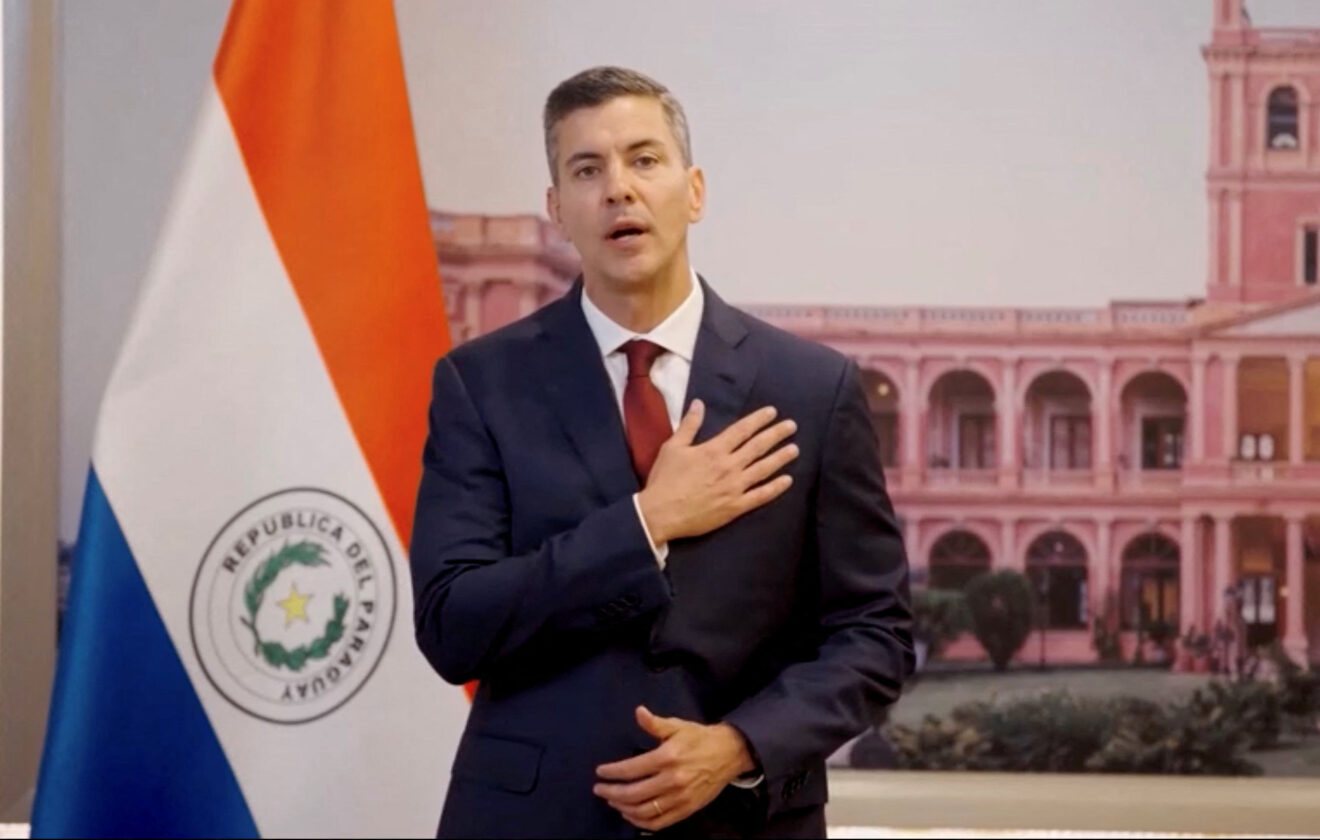
ASUNCION, Nov 6 – Santiago Peña resigned as president of Paraguay on Thursday, days after the collapse of a major digital bank with close ties to his government froze the savings of millions of people and sparked mass protests.
Peña, a 47-year-old economist from the right-wing Colorado Party, announced his decision in a video posted on social media. He had been in power since August 2023, and his term was due to run until 2028.
“I have decided to submit my resignation as president of the republic,” Peña said. He said he was doing so for the sake of the country’s stability, social peace and its democratic institutions.
He apologized to the public for any failure to serve them. But he stopped short of accepting blame for the crisis, and he has said in interviews and statements that he did nothing wrong.
His top priority, he said, was the peace of mind of Paraguayans who had trusted their savings to the financial system. He said his greatest wish was that their money would be returned.
At the center of the crisis is Ueno Bank. In just a few years, it grew from an obscure finance company into one of the country’s largest lenders, claiming more than 60 percent of Paraguay’s adults as customers.
The bank took over Ueno earlier in the week after determining that it was insolvent and had exceeded its lending limits to other companies. His actions left the savings of about 3 million customers frozen, nearly half of the country’s population of 6.5 million.
Hundreds of thousands of families were left without access to money for food and other daily needs. Protests filled the streets of the capital, Asuncion, for three days running.
Eight senior Ueno executives, including the bank’s founder and president, have been detained as part of an investigation, according to local media. The head of the central bank, Carlos Carvallo, has also resigned. On Wednesday, Peña named a new central bank chief and approved emergency payouts to depositors.
Ueno started as a finance company in the 1970s. In 2021, it was bought by Grupo Vázquez, one of the country’s largest business groups. At the end of 2023, under Peña’s government, the central bank allowed it to operate as a digital bank.
It grew fast. It drew in customers with generous cash-back offers on groceries and sponsored the national football team. The national stadium once carried its name. On Wednesday, the team’s players released a letter demanding a strong response from the government and the courts.
The bank also came to manage between $800 million and $850 million in deposits from state bodies and pension funds, including retirement savings. That drew criticism over a possible conflict of interest, because Peña had held shares in the group that ran the bank until early last year.
Peña said that, as an economist, he had made an investment and had since sold all his shares. When local media suggested that state and pension money had been steered to the bank as a favor, he called it a false media campaign aimed at weakening his government.
On Wednesday, opposition lawmakers and members of Peña’s own Colorado Party filed a motion to impeach him. They held him responsible for the collapse and accused him of ignoring warnings from the central bank and the media about the bank’s operations in recent months.
The pressure grew on Thursday morning, when former President Horacio Cartes, once Peña’s close ally, backed the motion.
“We support the impeachment of the president of the republic, Santiago Peña,” Cartes wrote. He said the party would not stand on the side of the theft of public, private and pension funds.
Other lawmakers followed, and the chamber was already debating the motion when Peña released his video.
Opposition Senator Rafael Filizzola called the scandal “the biggest fraud carried out from political power in the democratic era.” He informed the radio station 1020 AM that the bank had been established by individuals in positions of power who used public funds for personal gain, with the president leading them.
About an hour after Peña’s announcement, the lower house unanimously approved the impeachment motion. It now goes to the Senate.
If the Senate approves it, Peña would lose the Senate seat that former presidents receive, and with it his legal immunity. That would leave him open to criminal charges in the ordinary courts.
Paraguay’s attorney general, Emiliano Rolón, has already ordered three criminal investigations into the crisis, including allegations involving Peña and other current and former officials.
It is not yet clear who will replace Peña, or when. In principle, Congress must accept his resignation. If it does, Vice President Pedro Alliana would take over. Alliana is also suspected of involvement in the Ueno scandal, which he denies.
Peña, a former finance minister, had been a close ally of President Donald Trump in the region. He was one of the few Latin American leaders to attend Trump’s second inauguration, and Secretary of State Marco Rubio has called him a strategic partner. Neither Trump nor Rubio had commented on his resignation by Thursday.