Strait of Hormuz Tanker Hit by Limpet Mines in First Successful Attack of Its Kind Since War Began
A small boat pulled up beside the Louise 1, fixed two explosives to its hull and slipped away. The blasts started a fire that briefly disabled the tanker.
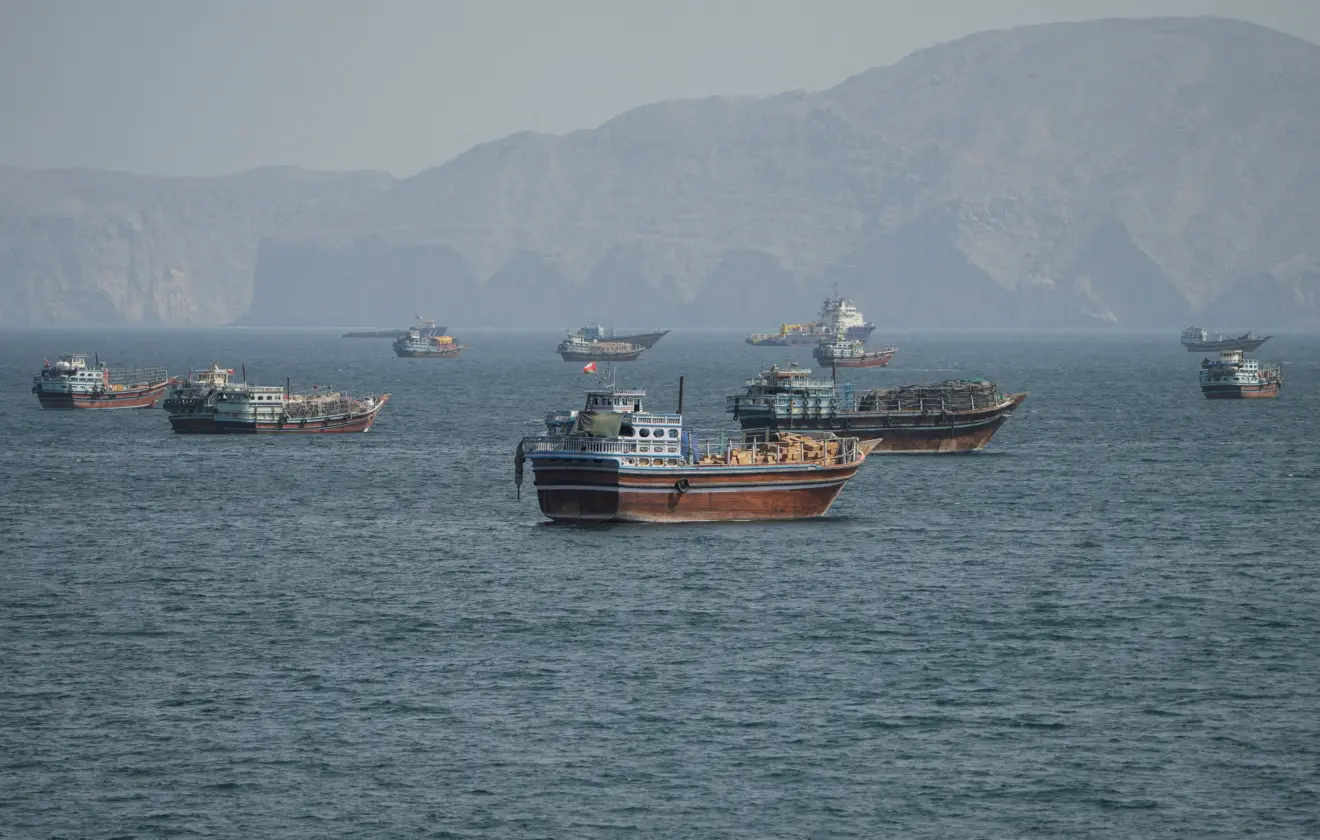
Octobar 30 ( Reuters) – A small boat attached two limpet mines to the hull of a tanker in the Strait of Hormuz, triggering a fire in its engine room and briefly disabling the vessel, maritime security sources said on Friday.
It’s the first time such explosives have been used successfully in the waterway since the war between the United States and Iran began in February.
No injuries were reported, and the fire was extinguished without causing environmental damage, according to United Kingdom Maritime Trade Operations, the British naval agency that monitors threats to commercial shipping. The agency said the vessel was continuing toward its next port of call, though it did not identify the ship by name.
The attack occurred late Thursday, approximately 25 nautical miles—or 46 kilometers—northeast of Khasab, Oman, near the strategically vital Strait of Hormuz. Three maritime security sources identified the vessel as the Louise 1, a large tanker flying the flag of Panama. Its operator, listed in shipping records as Aquarius Maritime Ventures in Panama, could not be reached for comment.
According to the available details, the attackers approached the tanker in a small boat as it moved through the strait. They attached two explosive devices to the side of the hull before pulling away. When the devices detonated, they ignited a fire in the engine room. A shipping publication reported that the blast damage occurred above the waterline, reducing the immediate risk to the vessel and its crew.
It remains unclear who carried out the attack, and no group has claimed responsibility. However, the method has drawn attention from security analysts because it differs from the tactics used in previous incidents in the region. Until now, attacks on ships in the strait have typically involved missiles, drones, or gunfire launched from small boats.
Some shipping analysts said the use of explosive devices attached directly to a ship’s hull represents a notable shift in tactics. The approach suggests a more deliberate and close-range operation, raising concerns about the evolving security risks facing commercial vessels transiting one of the world’s most important oil and shipping routes.
Two of the security sources said there was an earlier attempt in September. Limpet mines were used then too, but they didn’t explode.
Marisks, a maritime risk firm based in Greece, said the attack raises serious concern. A small boat was apparently able to get close to a moving tanker, plant explosives and get away, the firm said in a note on Friday. That’s especially worrying in the strait’s busy shipping lanes, it added.
Marisks said limpet mines were first used in the region in 2017, and were used against tankers in the Strait of Hormuz in the years that followed. The firm said “limpet mines are cheap and easily available,” and that attaching them to passing ships is a simple, low-tech and very effective way to attack.
The Strait of Hormuz is one of the world’s most important routes for oil exports. A large share of the world’s oil passes through it.
Ships in and around the strait have come under repeated attack since the conflict between the United States and Iran broke out. Iran has hit vessels that it says broke its rules on passage through the waterway. Tehran is trying to assert control over the strait and put pressure on Washington.
Thursday was a busy day. Earlier that day, a different ship said it was hit by an unknown object while leaving the strait, the British agency reported. Iran’s military also said on Thursday that several tankers had hit naval mines after entering what it called restricted areas.
The International Maritime Organization recorded 34 confirmed attacks on ships between late September and late October, most of them in the Strait of Hormuz, according to one report.
Washington says its forces have cleared mines from the main international shipping lanes. Iran has disputed that claim.
This is not the first time the Louise 1 has been targeted. In July, Ukrainian forces struck the same tanker with naval drones in the Black Sea. Ukraine’s Security Service said the vessel was carrying Russian oil and was part of the so-called shadow fleet—the network of tankers Moscow uses to keep its oil exports flowing despite Western sanctions.