Global Youth Protests: Why Young People Are Protesting Worldwide
In October, young protesters took to the streets in five countries: France, Belgium, Spain, Albania and India. Each movement grew from a different local dispute,...
In October, young protesters took to the streets in five countries: France, Belgium, Spain, Albania and India. Each movement grew from a different local dispute, yet the demonstrators describe the same problem. They say governments have failed to give them affordable housing, decent schools, stable work and a real say in how they are governed.
The protests began with everyday complaints, such as run-down classrooms, rising rents and names missing from voter rolls, and then grew into wider political disputes. Organizers used social media, messaging apps and online satire to gather crowds without help from political parties or unions. In several countries, the police response, which included tear gas, water cannon and mass detentions, led to further confrontation.
France
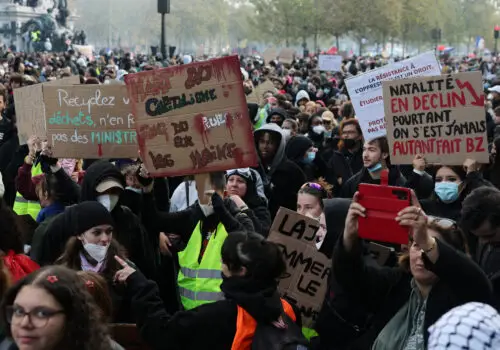
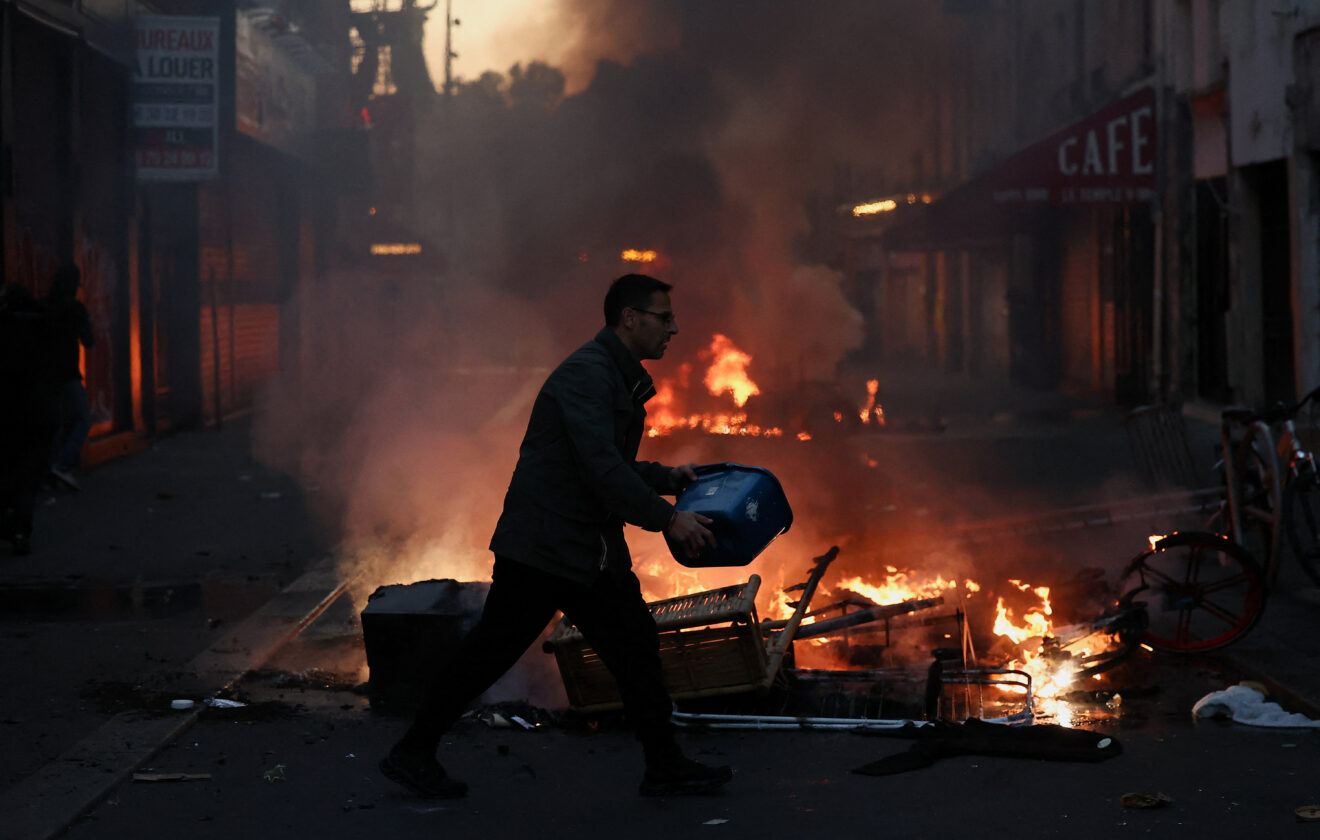
The protests in France started in late September inside high schools, where students blocked entrances to complain about overcrowded classes, teacher shortages and poorly maintained buildings. By mid-October, the anger had merged with a wider reaction to inflation and high fuel prices. On Saturday, Oct. 17, school students marched alongside trade unions, farmers, climate activists and supporters of the Yellow Vest movement, which began in 2018, after calls on social media to revive it. Interior Minister Laurent Nuñez said about 550,000 people took part nationwide, including 110,000 in Paris. Unions put the national figure as high as 800,000.
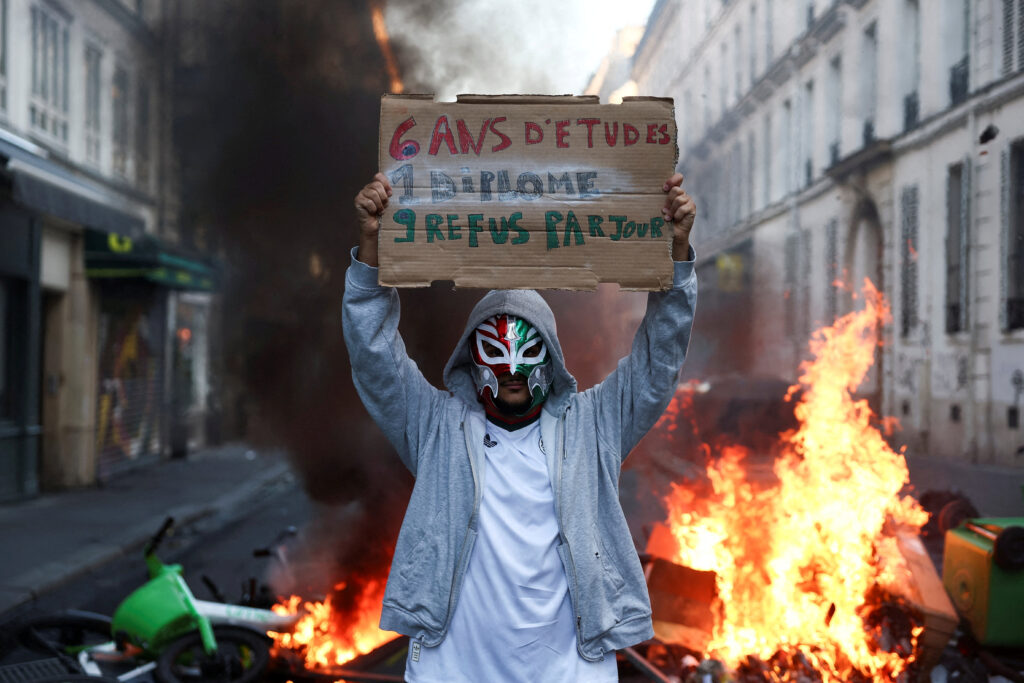
The marches turned violent after dark in several cities. Protesters broke into the town hall in Limoges, a building from 1883, and set it on fire, and the regional prefect said it was largely lost. The tourist office in Lyon was set ablaze, and shops were looted elsewhere. President Emmanuel Macron wrote that there is no place for violence in the country and said those who attacked public buildings and looted town halls would be prosecuted. Prime Minister Sébastien Lecornu first reported about 1,200 arrests and 150 injured police officers, and later reports put the total number of arrests between 1,800 and 2,400.
The unrest adds to the pressure on the government. France’s public debt is near 119 percent of economic output, which leaves little room to meet demands for more spending. Macron, who leaves office after the presidential election due next spring, was due to address the nation on Sunday.
Belgium
The student unrest in Belgium centers on the French-speaking Community, which runs education in Wallonia and Brussels. Protests began in Liège on Oct. 1, when hundreds of secondary school students walked out of class. They later turned violent, with broken windows, fires, barricades and fireworks around the main railway station, and police used tear gas and water cannon. Local media counted 107 arrests within a week.
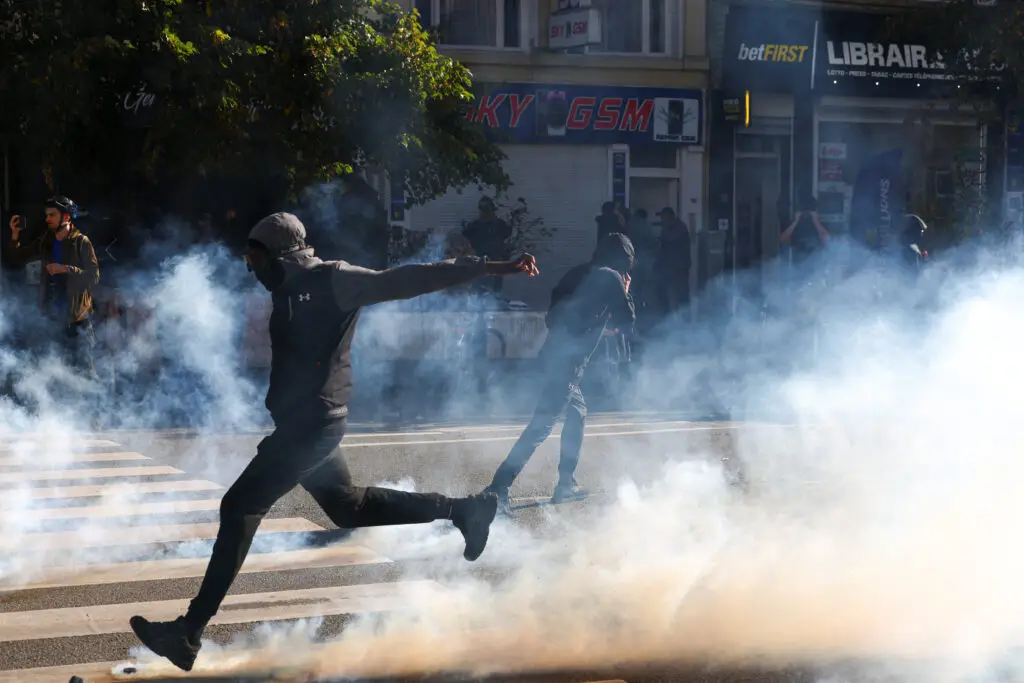
The students object to an education reform package that raises tuition fees for most students from €835 to €1,194 a year, and they cite overcrowded classrooms and difficulty getting study materials. The government says the changes will free up money to reinvest in the sector. Brussels saw clashes with police over the same reforms in June, and some students say the demonstrations in France encouraged them to return to the streets.
The protests reached Brussels again on Oct. 17, when more than 1,000 students marched from Central Station toward Midi Station. Clashes damaged street infrastructure and injured several police officers. Interior Minister Bernard Quintin described the unrest as organized violence meant to destabilize public order, while Education Minister Valérie Glatigny said political groups were manipulating the students and that essential education services remained intact.
Spain
Housing is the main grievance in Spain. The protests grew out of the eviction on Sept. 23 of Maricarmen Abascal, 87, from her lifelong home in Madrid after the investment firm that owned the apartment raised her rent by 230 percent. She was taken to hospital with severe anxiety and exhaustion and died on Oct. 7. The Madrid Tenants’ Union said a deal that would have allowed her to return home came too late.
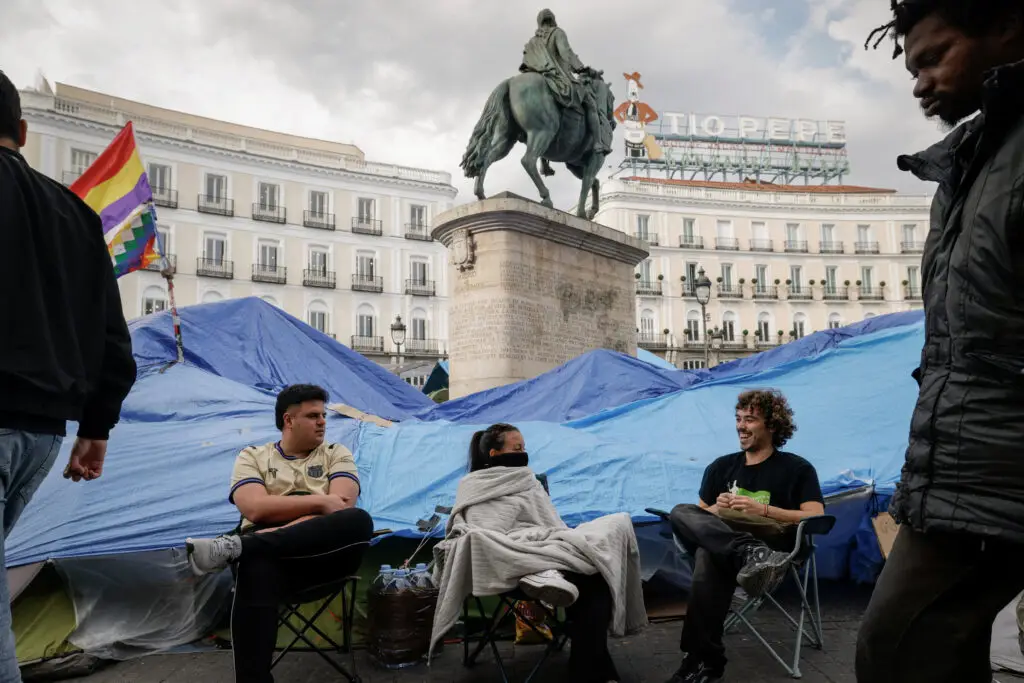
Tens of thousands of people marched in Madrid, Valencia and other cities on Oct. 3 after parliament rejected emergency housing measures. They demanded rent caps, an end to forced evictions, a ban on corporate purchases of housing and more public housing. Hundreds of people have camped in Madrid’s Puerta del Sol square since the eviction.
The housing movement then joined education workers. On Oct. 14, the Marea Verde (Green Tide) movement began an indefinite strike across Madrid’s education sector, bringing together teachers, students and parents who want more funding and smaller classes. Students built barricades at Complutense University and Rey Juan Carlos University, and police moved in, leading to arrests and injuries.
Prime Minister Sánchez, who leads a minority government, called a snap election for Nov. 29, about a year earlier than planned, after parliament rejected his housing decrees. He trails the conservatives in polls, and the main unions have called a general strike for Nov. 11, the first in Spain since 2012.
India
India’s protests center on the Election Commission’s special intensive revision of the voter rolls, which removed more than 130 million names. Opposition parties and activists say the exercise could disenfranchise eligible voters and favors the ruling Bharatiya Janata Party. The commission denies favoring any party and says wrongly deleted voters can re-enrol.
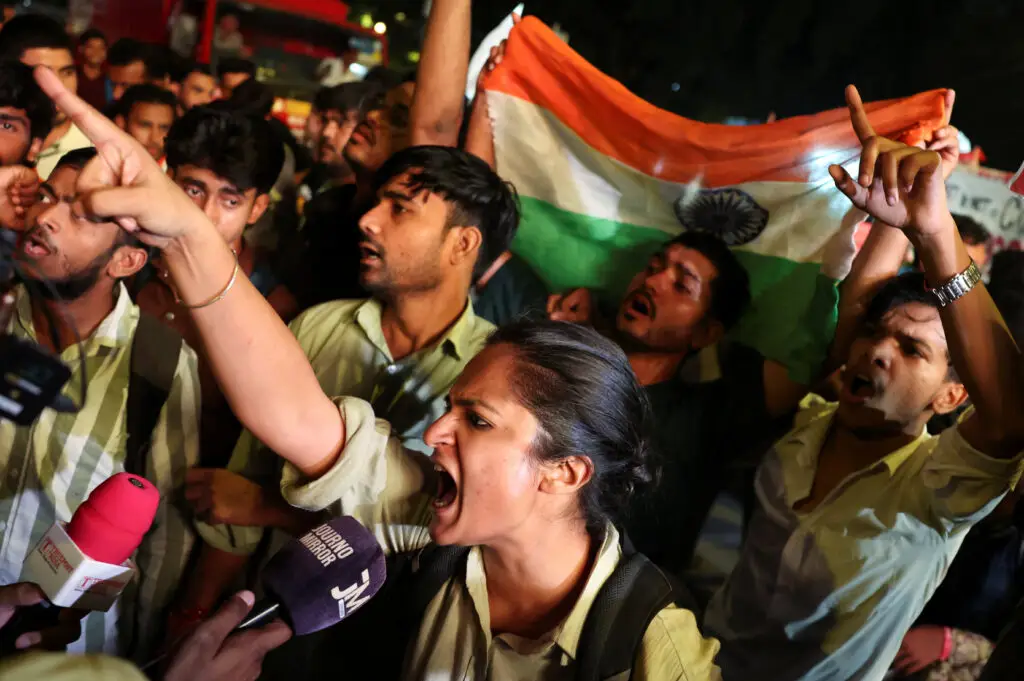
The Cockroach Janta Party, founded by digital strategist Abhijeet Dipke, has led the campaign for the resignation of Chief Election Commissioner Gyanesh Kumar. The group began in May after remarks attributed to Chief Justice Surya Kant, who reportedly likened unemployed young people to cockroaches. Dipke turned the insult into a satirical political platform. Weeks of sit-ins over exam paper leaks later helped force Education Minister Dharmendra Pradhan to resign.
On Oct. 10, as the party planned a rally at Jantar Mantar in Delhi, police detained Dipke and other leaders at the capital’s airport. Reports of the number of people detained in Delhi that day range from more than 1,000 to more than 7,000. In Mumbai, between 400 and 600 people were held, among them activist Tushar Gandhi, the great-grandson of Mahatma Gandhi, and actor Imran Khan, who joined a solidarity protest. Authorities later issued a deportation notice to Khan, who holds an American passport, after he attended a rally.
A magistrate released Dipke the next day on the condition that he keep the peace for a year. Indian media reported on Saturday that police arrested him again, a day after detaining him before another rally in Delhi.
Albania
In Albania, students began protesting in Tirana in mid-October, gathering outside the Education Ministry to demand lower tuition, better campus conditions and more support for young people.

They joined a movement known as the Flamingo Revolution, which has held daily rallies for about four months against a luxury resort project in a protected coastal area linked to Jared Kushner, the son-in-law of United States President Donald Trump. Protesters say the project shows corruption and a lack of transparency, and they demand the resignation of Prime Minister Edi Rama.
The protests turned violent. A fire was set at the Education Ministry, a bank and university buildings were vandalized, and nearly 100 police officers were injured in two days, with more than 100 arrests. Rama, who has governed since 2013, blamed the opposition for trying to block Albania’s path to the European Union and said the law applies to everyone.
The opposition Democratic Party backed the students and called for a caretaker government and early elections, although none is due until 2029. A European Union delegation in Tirana urged authorities to respond in proportion to the violence.
Comparative findings
| Case | Immediate trigger | Broader grievances | Main demand | State response |
|---|---|---|---|---|
| France / Paris | Student protests and cost-of-living mobilisation | Inflation, housing, public services, education | Policy reform and protection from living costs | Security deployment, arrests, prosecution pledges |
| Belgium | Tuition fees and education reforms | Spending cuts, access to higher education | Reversal or modification of education reforms | Tear gas; government blamed organised violence |
| Spain | Housing crisis, evictions and high rents | Affordable housing, tenant rights, education funding | Rent controls, eviction protections, public housing; education investment | Camp evictions, riot policing, arrests; government promises action |
| India | Voter-roll revision and Election Commission dispute | Unemployment, democratic representation, distrust of institutions | Resignation of election chief; electoral reform | Preventive detention and policing |
| Albania | Tuition, books and university conditions | Corruption, unemployment, coastal development, governance | Prime Minister’s resignation | Dialogue appeal alongside riot policing |
What the protests share
The movements have several things in common. Protesters link particular grievances, such as a higher tuition fee or a name missing from a voter roll, to a wider feeling that their generation is being pushed aside. They organize online and at short notice, so the crowds are hard to predict and hard to manage. Most governments have treated the unrest mainly as a matter of public order, and activists argue that this proves their point: institutions, they say, react only once disorder becomes visible.
Several decisions fall due soon. Spain holds a general strike on Nov. 11 and an election on Nov. 29. In France, the government is under pressure ahead of next spring’s presidential election. Albania’s opposition is pressing for an early vote. In India, the argument over the voter rolls continues, and so does the legal case involving Dipke.