EU Budget Talks Stall After 12 Hours Of Summit Negotiations
A 12-hour summit in Brussels ended without agreement on the EU budget, with members split over spending levels and a €45bn loan for Ukraine.
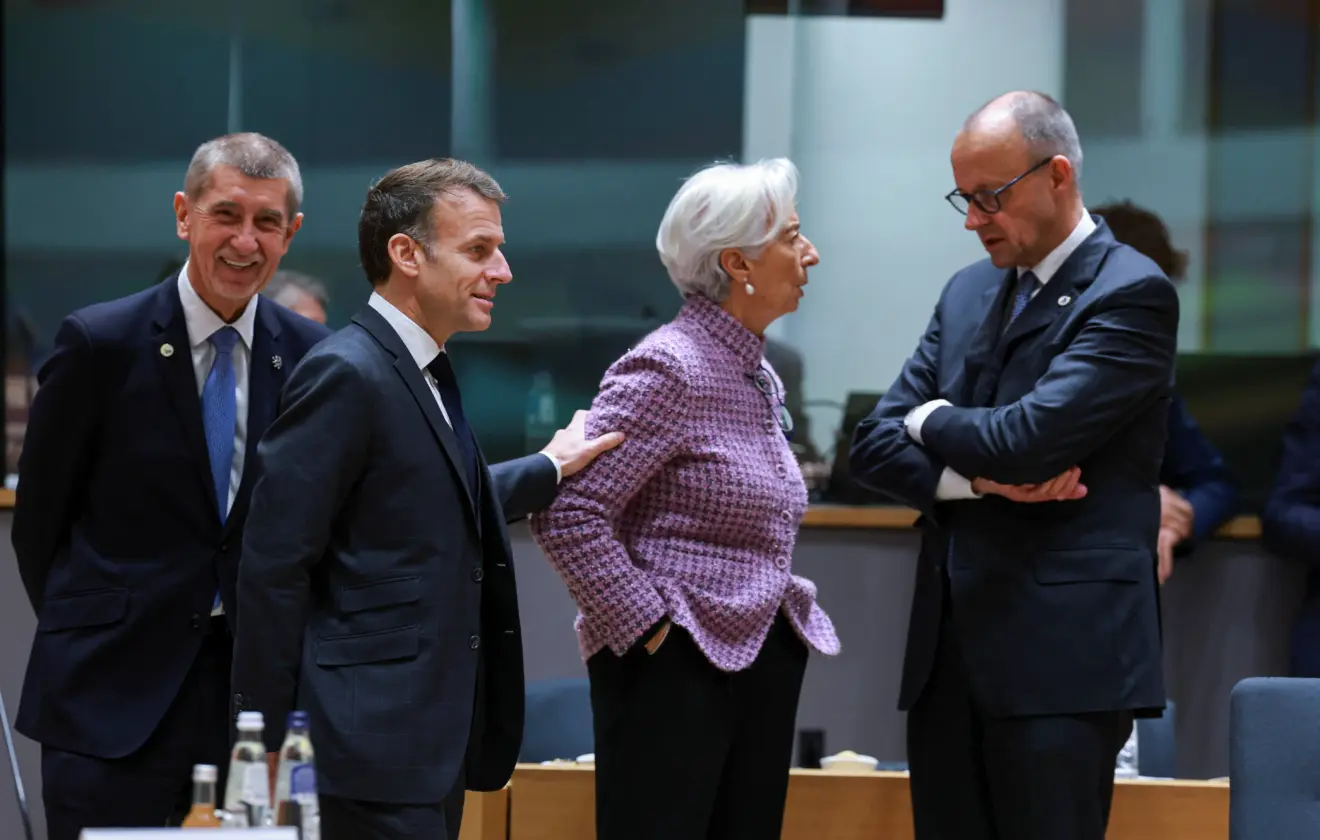
BRUSSELS, Nov 26 – EU leaders broke up a 12-hour summit on Thursday without agreeing the 2028-34 EU budget, after disputes over how much to spend and whether to lend Ukraine another €45bn left the 27 governments unable to settle on a deal.
The talks will resume at a two-day European Council summit on Dec. 17 and 18, the council said after the meeting ended.
The special summit had been called to break the deadlock over the long-term EU budget. France and Italy are among the members pushing for higher spending, while Germany leads a group of countries that want to keep costs down.
Those in favour of a bigger EU budget say the money should go towards preparing industries such as farming for the future and towards regional development. The more cautious members say they do not want the EU to increase the debt.
The European Commission put forward a €2 trillion plan earlier this year. Several members said it was too big. The proposal on the table in Brussels on Thursday would cut spending by around €220bn to €230bn and put the EU budget at €1.582 trillion, a figure that includes €140bn for repaying debt taken on during the pandemic.
Four of the countries seeking a smaller budget, Denmark and Austria among them, walked out of the talks after several hours of meetings, well before the summit ended.
German Chancellor Friedrich Merz told reporters there was “new movement” towards a lower overall figure. “We are not there yet,” he said, confirming that no new round of talks would be held in Brussels on Friday.
French President Emmanuel Macron said cutting long-term spending would be a “strategic mistake”.
Under the bloc’s rules, the EU budget requires the approval of all 27 member states, meaning any single government can block it.
The proposed €45 billion (£37.6 billion) loan to Ukraine, split between military and non-military funding, has become one of the most difficult issues to resolve. Member states remain divided, with Slovakia, the Czech Republic and Hungary all opposed.
Merz has said he will not back the wider budget unless all member states support the aid for Ukraine.
“I stand by my view that support for Ukraine must be backed by the European Union as a whole,” he said, A whole,” he said. “The European Union comprises of 27 member states, not 23 or 24.”
Bulgaria, which had also opposed the loan, said on Thursday it would help fund the non-military part of it. It was one of the few changes in position to come out of the meeting.
Many governments want the EU budget agreed before a run of important elections across Europe in 2027. One of them is France’s presidential election, and it surfaced during the Brussels talks.
Marine Le Pen, a frontrunner in that race, called the negotiations “underhanded political manoeuvring to thwart the democratic will of the French people”. She said last month that if she won the presidency she would sharply reduce France’s aid to Ukraine and its payments to the EU.
Macron hit back while speaking on the sidelines of the Brussels summit. “It is an odd kind of arrogance to behave as if she is already in charge of France’s destiny because, as things stand, she has not been elected,” he said.
Also on Thursday, Spanish economist Pablo Hernández de Cos was named the next President of the European Central Bank. He will take over from Christine Lagarde, the current president, in February 2027.
Leaders now have three weeks before the December summit to close the gap on the budget’s size and to win over the three governments still opposed to the Ukraine loan.