EU Proposes 45 Billion Euro Ukraine Loan For 2027
The European Union wants to lend Ukraine 45 billion euros next year to help fill a big funding gap. Kyiv would only repay the money once Russia pays reparations for the war.
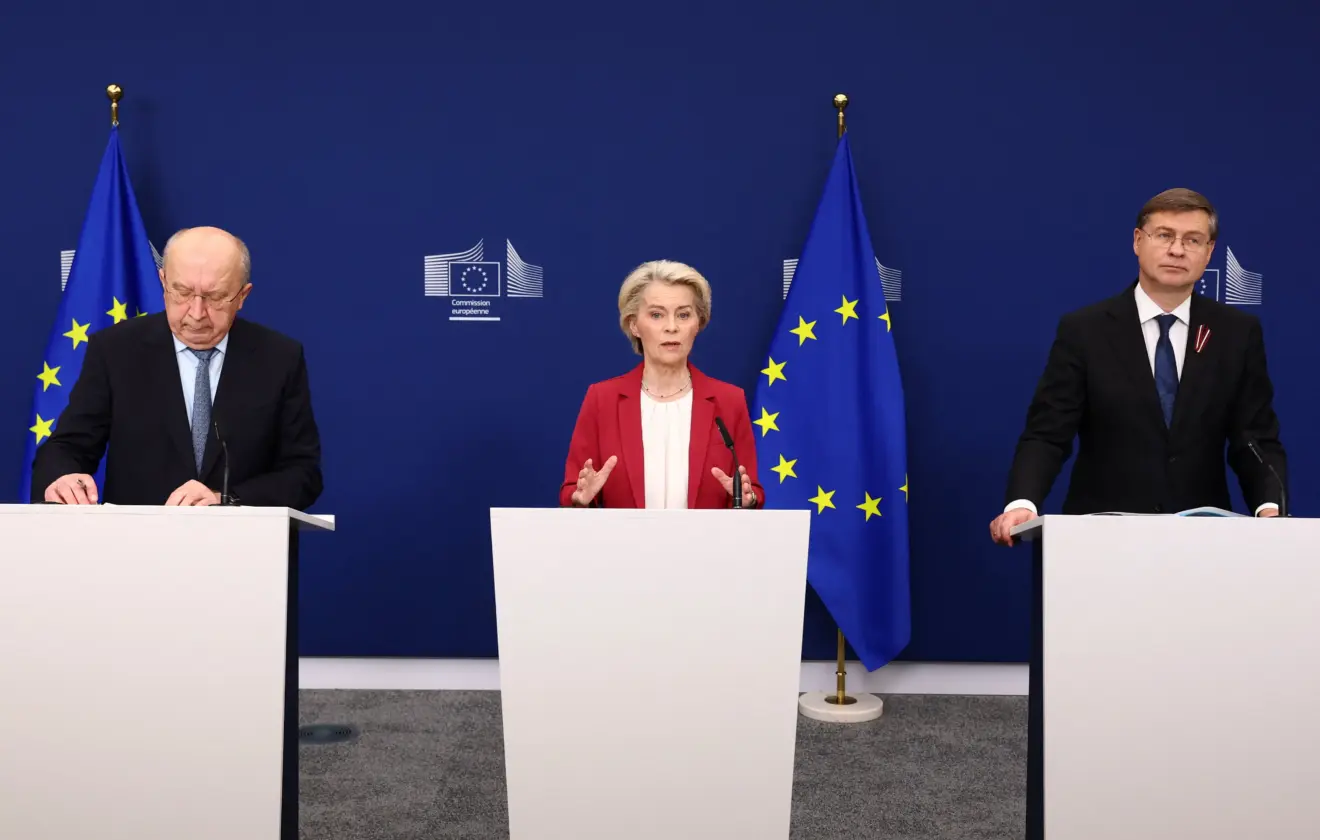
BRUSSELS, Nov 20 – The European Commission has proposed a new €45 billion loan, or about $49.5 billion, to help Ukraine through 2027. The money would be repaid only once Russia pays reparations for the war.
The Commission, the European Union’s executive arm, unveiled the plan on Wednesday.
The loan would cover about two-thirds of Ukraine’s expected funding gap next year, estimated at €70 billion. The remainder would have to come from Ukraine’s other international partners.
The Commission said additional funding was needed because the war with Russia had intensified.
Russian strikes on Ukraine’s power grid and other civilian sites, along with disruption to shipping in the Black Sea, have hurt the economy and cut government revenue. At the same time, military costs have gone up.
Andrius Kubilius, the bloc’s defense commissioner, said Russia is expected to double its use of drones next year, to 20 million. He said Ukraine would need to keep up. As a result, Ukraine is expected to spend 62% of its military budget on drones.
Under the plan, up to 20 billion euros would go to general budget support. Up to 25 billion euros would go to military aid.
Payments would depend on Ukraine pressing ahead with reforms, especially on the rule of law, fighting corruption and managing public money.
The new loan comes on top of a €90 billion loan that European leaders have already agreed to provide Kyiv in 2026 and 2027. That deal went ahead only after three countries — the Czech Republic, Hungary and Slovakia — chose not to take part in the funding.
The new plan has two parts: the loan itself and a change to the bloc’s long-term budget to provide guarantees for it.
Both parts require approval from member governments and the European Parliament. The budget change would need the backing of all 27 member states.
Commission President Ursula von der Leyen said she was confident that all 27 would support the loan.
She said some governments mainly want to fund civilian needs, but that every member state has made clear it wants to support Ukraine. She said the loan was structured to allow support for both civilian and military needs.
Von der Leyen said the new loan would be incorporated into the bloc’s next seven-year budget, covering 2028 to 2034. She said that would make it easier to manage than the earlier loan, which was added on top of the current budget.
Talks on the next long-term budget are ongoing. It will need sufficient room to guarantee the loan and cover the interest.
On paper, Ukraine would be responsible for paying the interest, with the first payment due in 2028. But the bloc plans to cover those costs through what it calls a borrowing-cost subsidy, likely paying all of them. The subsidy is expected to cost €2 billion to €2.5 billion a year.
The loan would be what the Commission calls a limited-recourse loan, meaning Ukraine would have to repay the principal only after receiving reparations from Russia.
The Commission also wants to retain the right to use Russian cash balances frozen in Europe to repay the loan. Some of the profits generated by those balances — usually €4 billion to €6 billion a year — could also help cover repayment.
The plan would also make it easier for countries outside the bloc to contribute.
Non-member countries with strong credit ratings could provide guarantees for the bloc’s budget rather than setting up their own aid programs. Those guarantees would be capped at €5 billion.
The proposal comes at a critical moment for Ukraine’s allies.
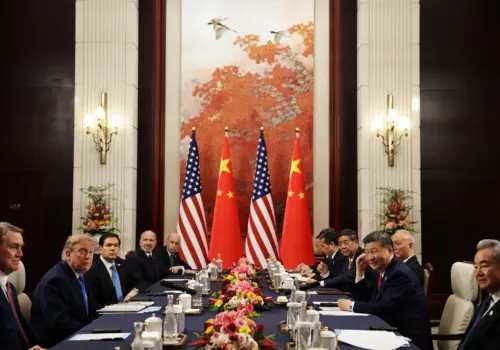
On Thursday, European leaders met in Berlin and warned against any peace deal being made over their heads, after President Donald Trump met Russian President Vladimir Putin and Chinese President Xi Jinping in China. European countries provide most of the aid to Ukraine but have largely been left out of talks with Moscow.
Ukraine’s energy system has been under heavy attack this week. Russian strikes left people without power in several regions.