Anthropic raises $81 billion in record stock market debut
Anthropic, the company behind the Claude chatbot, has raised a record $81 billion by selling shares to the public. It is the first company focused purely on artificial intelligence to list its shares.
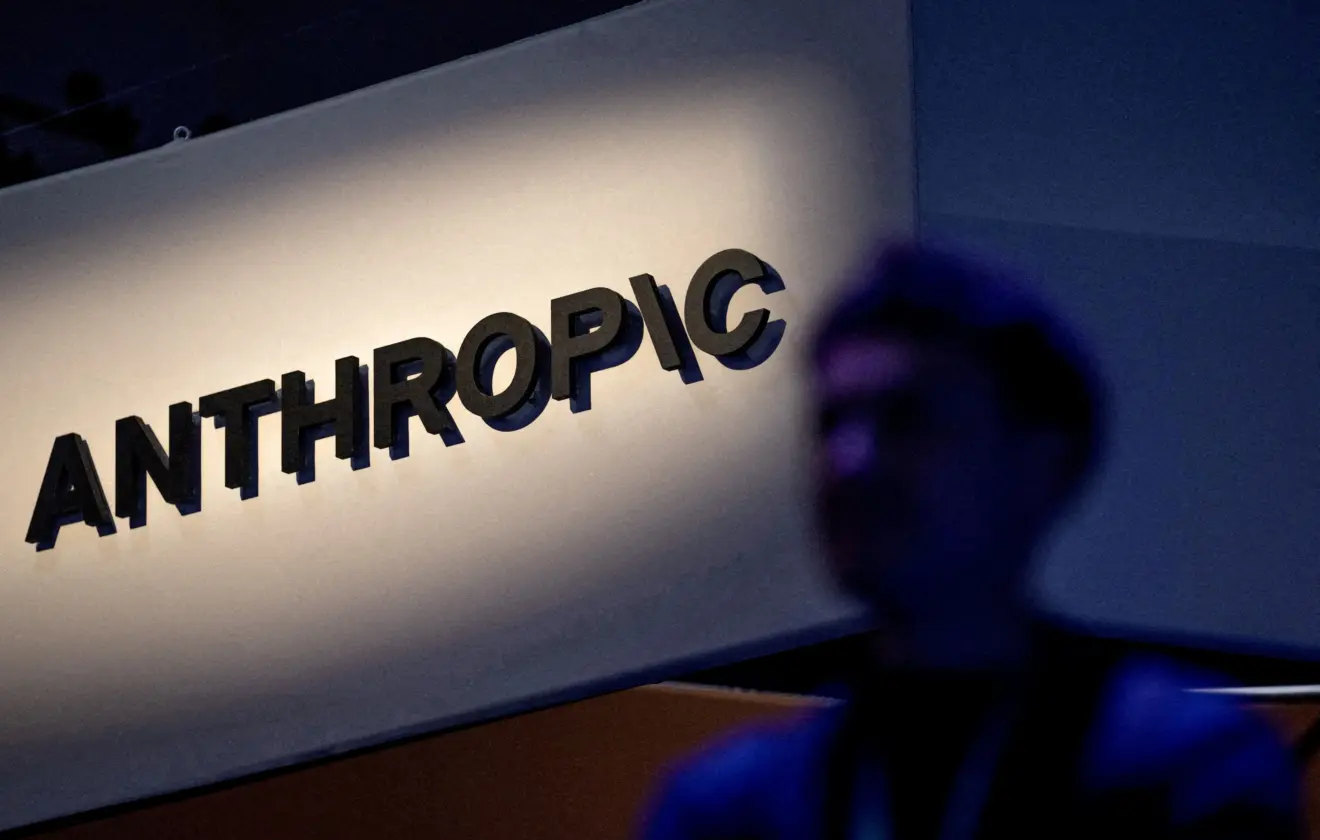
NEW YORK, Nov 19 – Anthropic, the company behind the artificial intelligence chatbot Claude, raised a record $81 billion in its stock market debut, making it one of the most valuable companies in the world.
Investor enthusiasm for the stock led to more stocks being issued than originally planned. The company priced its stocks at $83 each, higher than the price range of $70 to $78 suggested by the company.
The shares are due to start trading in New York later on Thursday.
At that price, the five-year-old company is valued at about $1.5 trillion. That makes it worth more than Walmart and Samsung, and close to Tesla and Meta.
The listing is being seen as a key test for the fast-growing artificial intelligence industry. Anthropic is the first company focused purely on the technology to sell its shares to the public.
Huge sums have been spent on building artificial intelligence tools and the data centers that run them. But questions remain over whether, and when, that spending will pay off.
Demand for the shares was high. One early investor, who spoke to the BBC on condition of anonymity, said the sale was heavily oversubscribed, with demand at ten times the number of shares on offer.
Leah Bramwell of Canaccord Wealth said interest had come from “across the board,” from both large institutions and private individuals. She said that suggested it was not simply a rush by small investors into artificial intelligence stocks.
In total, Anthropic could raise $107 billion. More than $81 billion comes from the public share sale. Another $26 billion comes from separate investments by a group of technology firms, including Google, Microsoft and Nvidia.
The company could raise a further $12 billion if demand stays high, through a standard option that lets it sell extra shares.
The listing tops the initial public offering by Elon Musk’s SpaceX in June, which raised an initial $75 billion. SpaceX’s value soared to $2.2 trillion when it joined the Nasdaq, though its shares fell in the weeks that followed.
Anthropic’s revenue has grown fast. It reached $33 billion in the nine months to September, according to the company’s filing for the share sale. Its tools help with tasks such as writing computer code, drafting text and making sense of large amounts of information.
But its losses have grown too. The company reported net losses of $104 billion over the same period.
The company was founded in 2021 by seven former employees of OpenAI, led by brother and sister Dario and Daniela Amodei. All seven founders became multi-billionaires through the listing.
Dario Amodei, the chief executive, has spoken openly about the risks of artificial intelligence. He has said they could amount to a threat to human existence.
The company requires increased focus on safety during the development of the technology amid its rapid growth and fundraising efforts.
OpenAI, the maker of ChatGPT and Anthropic’s biggest rival, is expected to go public next year. Until then, Anthropic will be the only listed company in the United States focused entirely on artificial intelligence.
Some investors are cautious. Yang Wang, a principal financial analyst at Counterpoint Research, said the main question is whether Anthropic can keep pace as hundreds of billions of dollars in financial commitments come due over the next few years.
But Wang said the sale gives investors “direct exposure to a frontier-model developer,” one that could shape the next stage of productivity.
Technology stocks have fallen in recent weeks since the midterm elections. Democrats, who now control both chambers of Congress, are expected to take a tougher line on regulating artificial intelligence. Some Democratic candidates opposed the rapid build-out of data centers.
Marta Norton, who heads strategy at the investment firm Empower, said Anthropic went ahead despite the market swings because it needed more money. She said the technology is costly to develop.
“The public markets open up the financial spigot a little bit more,” Norton said.
Wider worries about the industry remain. Competition from cheaper rival models is growing, and the costly chips that power the technology are in short supply.
The Federal Reserve has also raised concerns about high levels of debt tied to artificial intelligence, which it said are financed through complex and opaque structures, according to minutes of its October meeting.