Youth Protests In Germany Draw Tens Of Thousands, With Scuffles In Hamburg And Leipzig
Tens of thousands of young Germans marched on Friday against rising costs and a possible return of compulsory military service. Most protests were peaceful, but there were clashes in several cities.
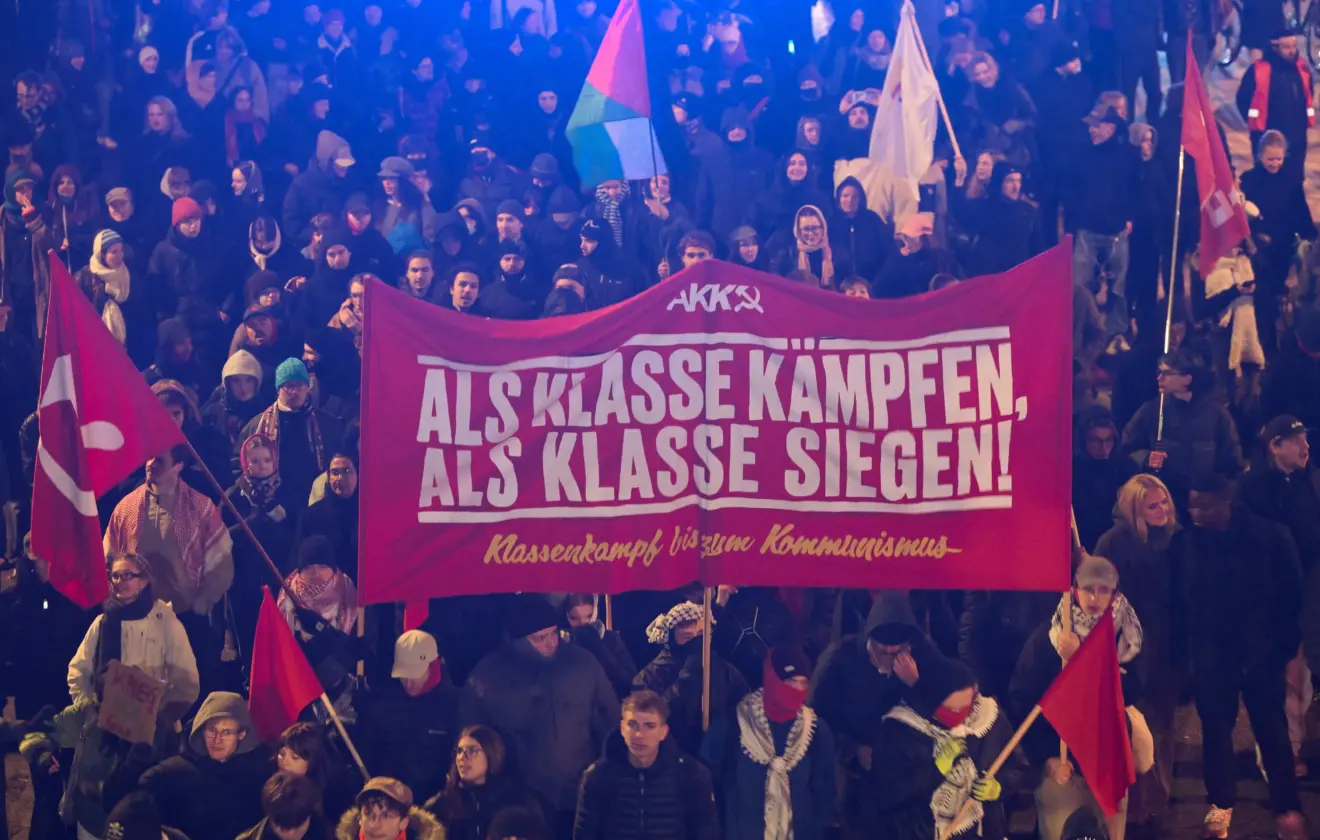
BERLIN, Nov 21 – Youth protests in Germany drew about 87,000 people on Friday, according to organizers, and were mostly peaceful, though police clashed with some protesters in Hamburg, Leipzig and Bremen.
The marches were organized by a Generation Z campaign group known as “Gen Z regelt,” which roughly means “Gen Z takes charge.” Protests took place in cities across the country, including Berlin, Frankfurt, Cologne, Bremen, Freiburg, Leipzig and Hamburg.
Turnout was lower than at the group’s first big day of protests nearly three weeks ago. The group put total attendance at close to 90,000 and blamed the drop mainly on bad weather.
In Hamburg, about 4,000 people joined an evening march that began at 5 p.m., police said. Around 1,400 officers were on duty, with support from federal police and colleagues from the state of Mecklenburg-Western Pomerania.
Marchers set off flares and chanted for German Chancellor Friedrich Merz to step down. They also called for no return of compulsory military service, and urged politicians to listen to the needs of young people.
Most of the trouble came at the end of the Hamburg march. A group of hooded protesters threw firecrackers and bottles at officers. Police chased them, and the group used trash bins and construction barriers to build makeshift barricades.
Some scuffles also broke out as police tried to clear the road for traffic after the protest officially ended. Police said afterward they were pleased with how they handled the evening.
In Leipzig, security forces briefly stopped a march after protesters used fireworks, and used water cannons, according to the German Press Agency.
In Bremen, the protest was halted for a time. Police said fireworks were thrown and a vehicle was partly set on fire, causing minor damage.
Frankfurt stayed calm this time.
“The scenes from October 31 have not been repeated,” said Roman Poseck, interior minister of the state of Hesse. He was referring to serious unrest and looting in Frankfurt three weeks ago.
Poseck said more than 2,000 officers were deployed in the city. He said four people had been briefly detained over their alleged links to the earlier looting.
The organizers distanced themselves from the violence.
“Those who are looking for violence are not in our demonstrations,” said co-organizer Akram Selo, speaking to the public broadcaster RBB-Inforadio.
Selo urged German politicians to answer the movement with action. He said talks alone would not make the group stop protesting. He said its demands must be met and guaranteed, rather than met with empty promises.
The movement’s demands range from increased funding for schools and mental health support to measures addressing the rising cost of living. It is also calling for greater social and climate justice.
This time, protesters added their opposition to the return of compulsory military service.
Military service is not compulsory under current German law. However, the government has left open the possibility of reinstating conscription if new rules, in force since the start of the year, reduce the number of recruits.
Protesters argue that the focus should instead be on investing in young people, public services and social protections. They say rising living costs, pressure on schools and limited access to mental health support are already placing a heavy burden on many families.
The issue has also become part of a wider debate over Germany’s security priorities. Critics of higher military spending say the government should not expand defense budgets while cutting back on services that directly affect people’s daily lives. Supporters of stronger defenses, however, argue that changing security conditions in Europe require a larger and better-prepared military.
For now, the government has not said whether it intends to bring back conscription. But the possibility has become a new rallying point for young protesters, who see it as a sign that the state may ask more of them while offering too little in return.
The German protests were part of a wider wave of youth demonstrations across Europe on Friday.
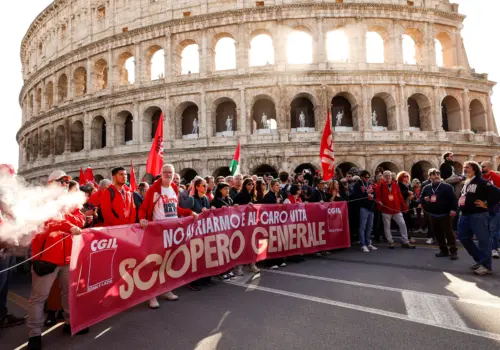
Student protests were also planned in France, Britain, Austria and Belgium, against rising living costs and military spending. In Italy, thousands of students joined a nationwide general strike called by the country’s largest trade union, demanding higher wages and more spending on schools and health care.
The German movement held its first major day of protests on October 31, when demonstrations in Frankfurt turned violent.