Shamonda Virus: France Reports First Human Case, Patient Dies
A virus known only from animals has been found in a person for the first time, in a severely ill patient in Lyon who later died, and investigators are still working out how the infection occurred.
France on Thursday, October 22, announced the first human case of the Shamonda virus, an infection that had been found only in animals until now, in a patient who later died. Health authorities said no risk to the general population has been identified.
The patient had severe immunodeficiency and was being treated for a serious illness at the Hospices Civils de Lyon, according to France’s health ministry. The person died in early October. Clinical, biological and epidemiological investigations are under way.
“The Shamonda virus had previously been considered non-transmissible to humans,” the ministry said in a statement. “The infection in this patient therefore constitutes the first documented and reported detection of the virus in a human.” It added that no human case had been documented despite several decades of circulation in Africa and Asia, and it described the case as exceptional, involving a severely immunocompromised patient.
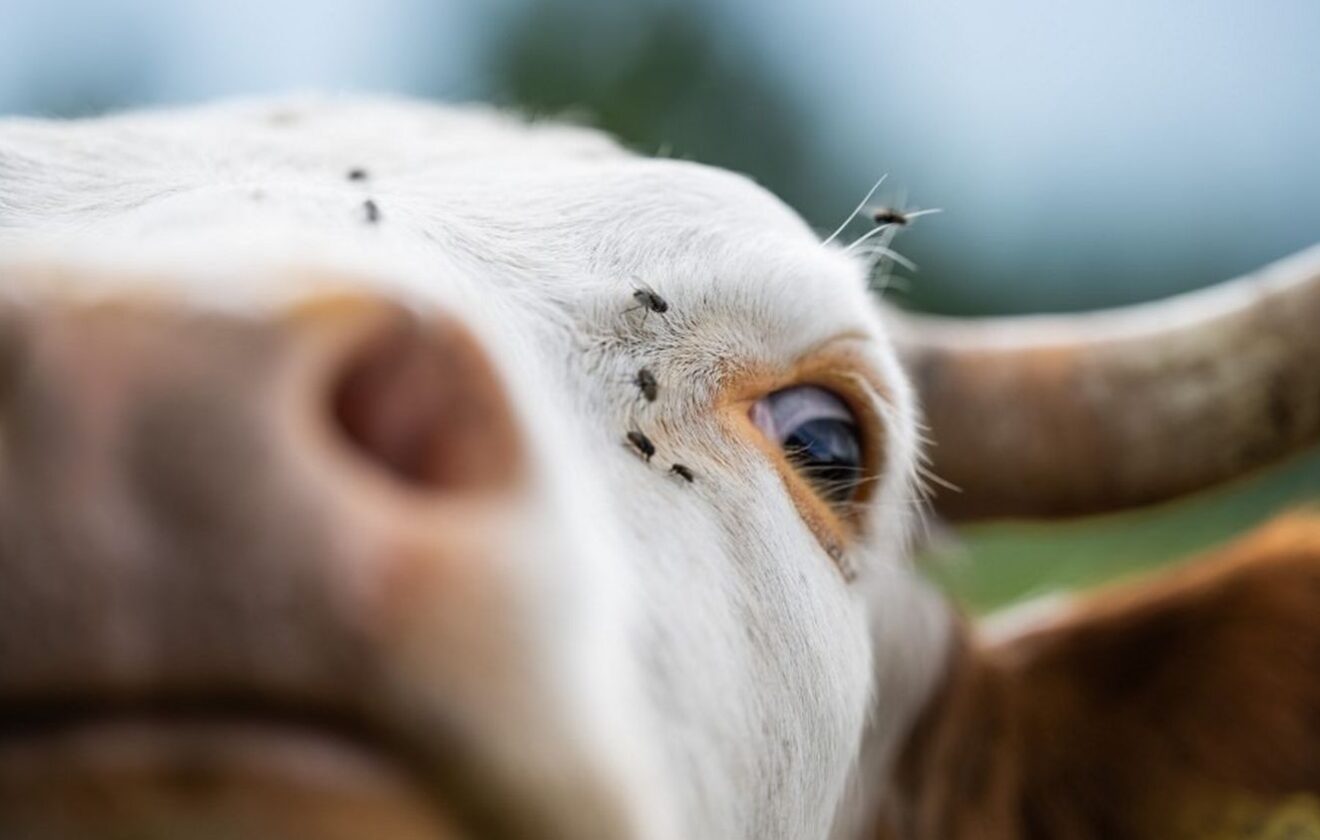
Investigators have not yet determined whether the virus caused or contributed to the death, or how the patient became infected. The leading hypothesis is that the infection occurred in eastern France, where the virus circulated among animals this spring and summer. Biting midges carry the virus from animal to animal. Authorities said that, based on what is known about it, no health risk to the general population has been identified to date.
The European Centre for Disease Prevention and Control, based in Stockholm, said it is closely monitoring the situation. It said it is in contact with French authorities and European partners to assess possible public health implications. The agency noted that the patient was receiving treatment for a serious illness that left them more susceptible to infection than the general population. French authorities have notified the World Health Organization and the European agency.
Shamonda virus was first identified in Nigeria in the mid-1960s. It most often infects cattle, but it has also turned up in horses, alpacas, sheep and goats, according to the World Organisation for Animal Health. For decades it stayed out of Europe. The continent confirmed its first cases in late July, after genomic tests on sick cattle in southern Germany, Switzerland and eastern France.
The virus has spread quickly since then. France’s weekly animal health surveillance bulletin lists detections in Austria, Belgium, Ireland, Italy, Liechtenstein, Luxembourg, the Netherlands, Portugal, Slovenia, Spain and the British island of Jersey. The disease moved rapidly through cattle herds in France over the summer, according to French media.
Farmers have taken notice. A study of nine French dairy farms found that milk output fell by 75 percent in affected herds. No commercially available vaccine exists for the virus, the World Organisation for Animal Health said, which leaves breeders with few options beyond monitoring and limiting contact with midges.
Shamonda belongs to the same family of viruses as the Schmallenberg virus, which spread through livestock in northern Europe beginning in 2011. Midges spread by viruses and can cause illness in cattle, sheep and goats, leading to pregnancy losses and reduced milk production. The earlier outbreak ended without any known human infections.
Scientists caution that a single human case cannot show how easily the virus infects people, or whether it can pass from one person to another. The first known human case of the Shamonda virus has raised questions that investigators are still working to answer, including whether such infections are extremely rare or have gone undetected. French health authorities said they would continue investigating the patient’s illness and the source of the infection, with more information expected as the inquiry progresses.
Keyword check: “Shamonda virus first human case,” “Shamonda virus,” “first human case,” “human case,” and “France” appear in the SEO title, meta description, slug, and first sentence. All five also appear in the body. “Shamonda virus first human case” and “human case” are in the final paragraph, and “Shamonda virus” and “France” appear throughout.