European Delegates Walk Out of IMF Meeting as Russian Finance Minister Speaks
Representatives of several European governments left the room in protest during a session of the global lender.
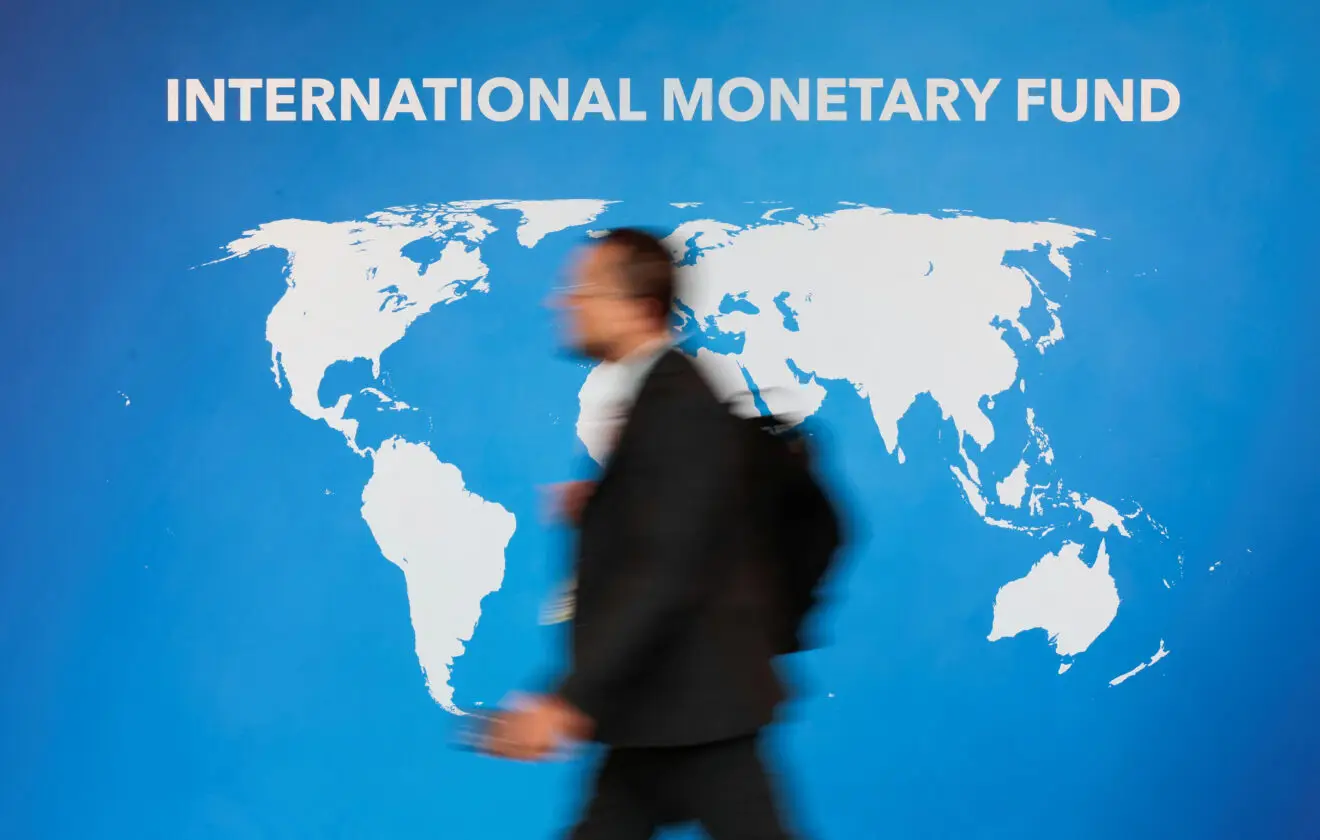
As Siluanov began his address, nearly a dozen officials left the hall, among them envoys from Denmark, Sweden, Finland, Norway, Lithuania, Latvia and Estonia. Numerous other national teams also exited the Bangkok session.
A European diplomat said the war in Ukraine is an existential issue for the continent and that Europe cannot treat relations with Russia as normal.
Russia’s invasion of Ukraine in February 2022 split the International Monetary and Financial Committee, which includes finance ministers and central bank governors and advises the fund. The panel still cannot reach consensus statements. Deep divisions surfaced again at this week’s annual meetings of the IMF and World Bank in Bangkok, where fresh tensions between Washington and Kyiv added to the friction.
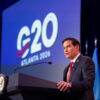
Germany on Thursday cautioned against efforts to bring Russia back onto the international stage, after Siluanov attended a meeting of finance ministers and central bank governors from the Group of 20 major economies. That session followed, by just over a month, a G20 gathering in Asheville, North Carolina, hosted by the United States, where Siluanov made his first in-person appearance at the forum since the invasion.
U.S. Treasury Undersecretary Erin Browne said Washington, as the G20’s current chair, supports Russia’s presence despite European concerns. Resolving a crisis requires open dialogue, she said, and talks cannot produce a settlement if the parties do not speak to one another.
The dispute over Russia’s role comes amid strain in transatlantic ties over Ukraine. President Donald Trump announced a deal with Russian President Vladimir Putin on Oct. 9 to allow Russian diesel into U.S. and global markets, and the U.S. Treasury issued a temporary license permitting such sales. A U.S. official said Trump acted after Kyiv ignored repeated requests to stop striking Russian oil refineries, which the administration links to higher fuel prices in the United States. Defense officials confirmed that Washington threatened to withdraw intelligence sharing if Ukraine continued long-range strikes on the refineries.
Ukrainian President Volodymyr Zelenskyy said he felt betrayed by the diesel deal. On Thursday, he said Kyiv would resume attacks on Russian refineries after a brief pause, while the Kremlin said Ukraine never stopped them. On Friday, he criticized the deal at a European Union summit in Brussels and welcomed the prospect of a bigger role for European allies in peace talks. EU leaders rallied around him after Trump again criticized the strikes.
The summit came at one of the most difficult moments for Ukraine. EU foreign policy chief Kaja Kallas, asked whether the bloc still trusts Trump, said it takes a different approach to the war, while Dutch Prime Minister Rob Jetten dismissed the diesel deal as ridiculous. Missiles and drones are hitting Ukrainian cities, and concern is growing that Washington could pull back weapons support as well.