United States Orders Diplomats to Leave Saudi Arabia as Houthi Attacks Escalate
Washington's ordered departure for diplomats in Saudi Arabia may spread to other Gulf missions as Houthi attacks intensify.
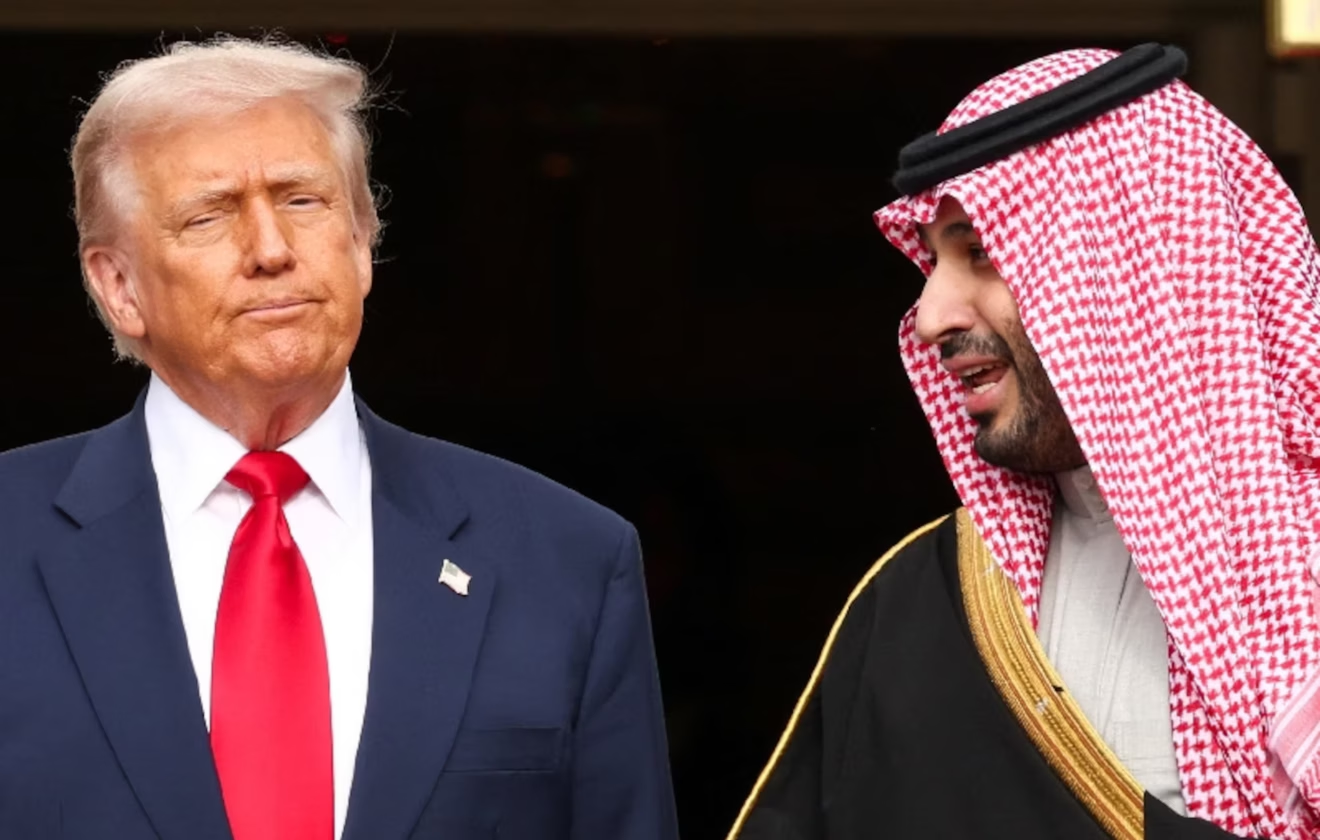
The State Department ordered non-emergency American government employees and their family members to leave Saudi Arabia on Wednesday, October 21, as Houthi attacks on the kingdom killed civilians at an airport and an oil field.
Spokesperson Tommy Pigott announced the order in a post on X. It applies to the kingdom “only,” he wrote. “Iranian-supported Houthis have increasingly engaged in hostilities against Saudi Arabia, including attacks on civilian airports and other critical infrastructure resulting in civilian casualties and severe travel disruptions,” Pigott said.
Four American officials said missions in other Gulf states would also order family members to leave. Pigott did not address changes outside Saudi Arabia, and his post pushed back on reports that the order could extend beyond the kingdom.
The order came as Saudi Arabia reported two deadly attacks. The civil aviation authority said a strike late on Wednesday on King Fahd International Airport in Dammam killed one person and injured eight, halting operations at around 11:15 p.m. local time. Earlier in the day, Saudi air defenses intercepted a drone aimed at Saudi Aramco’s Shaybah oil field, near the border with the United Arab Emirates. The energy ministry said falling debris started a fire in a contractor’s vehicle, and two people died, according to the Saudi Press Agency. Operations were not affected. The ministry did not say who launched the drone. Oil prices rose after the attack on Dammam.
The Houthis, an Iran-aligned group that controls much of northern Yemen, have attacked Saudi Arabia almost daily this month. Their strikes began to target the kingdom again in July, and they escalated sharply in October. Riyadh’s King Khalid International Airport came under fire repeatedly. A combined missile and drone attack on October 6 and 7 killed one person there, and further attacks on October 8 killed three Saudi citizens, including a pilot.
On Saturday, October 10, a missile strike killed at least 12 people and wounded more than 300, the deadliest attack on the kingdom since the war on Iran began in late February. A projectile hit the airport again the next day and killed another person. The airport has been closed since.
The Houthis said the strikes respond to an intensified Saudi air campaign in Yemen. Saudi-backed Yemeni government forces are also fighting the Houthis for control of the country.
The American embassy in Riyadh issued a security alert on Wednesday about possible further Houthi attacks. Embassies in Bahrain, Qatar, the United Arab Emirates and other countries had urged Americans over the weekend to exercise caution and prepare for travel disruptions. The State Department introduced a restricted operations status in August, which lets embassies cut staffing and services without suspending operations. American government personnel need special permission to use any Saudi airport.
This is not the first time Washington has pulled diplomats from the region this year. Many left after Iran attacked American facilities when the American-Israeli war on Iran began in late February. The embassy in Riyadh and a Central Intelligence Agency station hosted there came under drone attack in early March. Some personnel returned in recent months, and the new order reverses that.
The fighting in Yemen has opened another front in the regional conflict that the war on Iran set off. The wider conflict has snarled global energy trade and hurt Gulf economies.
The order also comes as Washington and Tehran remain deadlocked. The Jerusalem Post reported, citing unnamed American officials, that the American and Israeli militaries have drawn up plans for renewed strikes on Iran after the November 3 midterm elections, in what it described as a “short but intensive” operation. President Donald Trump has said the United States will not bomb Iran again before the vote. Iranian officials said earlier this week that Tehran expects strikes to resume and is preparing for them.