COP31 Talks Face Hard Road After Leaders Clash on Demands
Island nations begged for faster cuts, Europe backed more electrification and oil producers defended their industries. Now negotiators have to turn it all into one deal
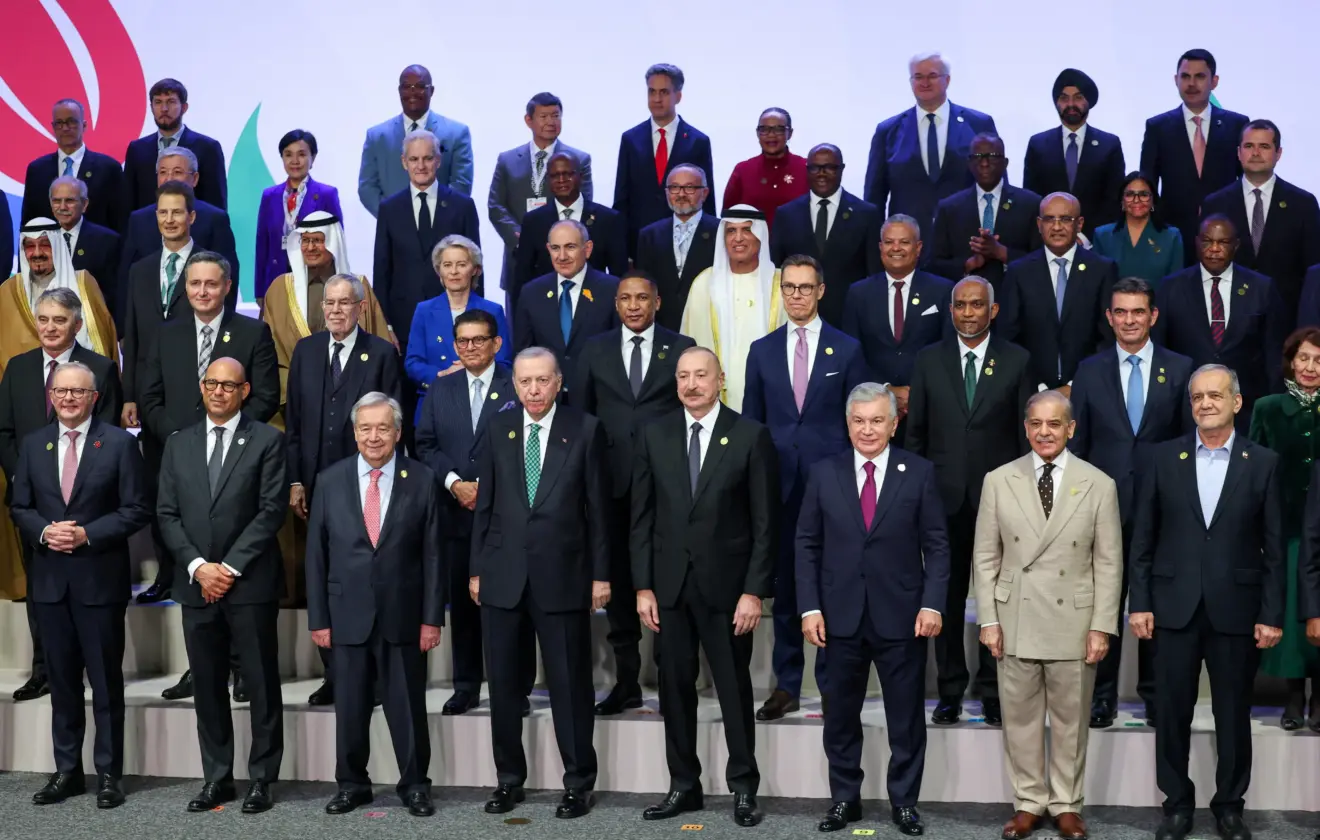
ANTALYA, Turkey, Nov 13 – World leaders used two days of speeches at the COP31 talks in Turkey to set out competing positions and clashing demands, leaving negotiators with a hard job to draft a deal that every country can accept.
Small island nations, among those most exposed to rising sea levels, called for urgent cuts to greenhouse gas emissions.
European leaders backed a plan to expand the use of electricity worldwide. Developing countries asked wealthy nations for more funding, while oil and gas producers said fossil fuels should continue to be used.
Venezuela made its position clear. Acting President Delcy Rodriguez spoke after United Nations leaders had urged an end to the era of fossil fuels.
“We reaffirm our sovereign right to strengthen our energy and oil industry,” she said.
She called the oil industry a driver of her country’s development.
Turkey, the host, and Australia, which leads the negotiations, now have to bridge those gaps. They also face the challenge of making progress at a time when wars and rising prices have pushed climate down the list of political worries.
Chris Bowen, Australia’s climate minister and the president of the negotiations, said his role is to guide countries toward the strongest outcome they can all agree on.
“It’s my job to steer consensus, not to bang tables,” Bowen said.
Asked what a good deal might look like, he said he still had many hours of talks with partners ahead of him.
The pressure is mounting. A United Nations report last month found that the world is already on track to exceed the 1.5 degrees Celsius warming limit. Countries agreed under the 2015 Paris Agreement to try to stay below that threshold to avoid the worst effects of climate change.
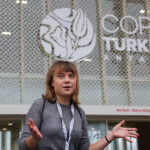
Campaigners say short-term politics should not get in the way. Swedish activist Greta Thunberg, speaking on the sidelines, said the situation could not be less under control.
On Thursday, leaders of small island states, including the Bahamas, Tuvalu, the Solomon Islands and Saint Lucia, called for swift action.
“Major emitters must move beyond the usual promises,” said Saint Lucia’s Prime Minister Philip J. Pierre.
He said they must cut emissions as deeply as the crisis demands.
British Prime Minister Andy Burnham backed Turkey’s plan to raise electricity’s share of the world’s energy use to 35% by 2035, up from a little over a fifth today. Turkey has not said whether the extra power would have to come from clean sources.
Burnham said the shocks to energy supplies from the war between the United States and Israel and Iran, and from Russia’s war in Ukraine, show that clean energy is the wise choice. He said countries that depend on energy they do not control are exposed to prices they cannot control.
“The shift to clean energy is the only route to energy security,” Burnham said.
Developing countries repeated a call they have made for years at these talks. They want wealthy nations to provide more funding to help them transition to cleaner energy, adapt to a warmer world and recover from climate-related disasters.
Not everyone was impressed by the speeches. Fernanda de Carvalho, head of climate policy at the World Wildlife Fund, said she found them underwhelming. She noted that COP31 is the first United Nations climate meeting since scientists publicly said the world is set to exceed the 1.5-degree mark.
She said it was worrying that climate is not as high on the global agenda as it should be.
Deals were also being made on the sidelines. On Wednesday, Turkey’s state nuclear company signed an agreement with the Canadian engineering firm AtkinsRealis to study a possible expansion of Turkey’s nuclear power program.
The talks are due to end on November 20.