Chinese Telecom Firms Face Ban From Direct Access to American Phone Numbers
Federal regulators in Washington plan to stop China Mobile, China Telecom and China Unicom from getting phone numbers directly. The commission will vote on the plan next month.
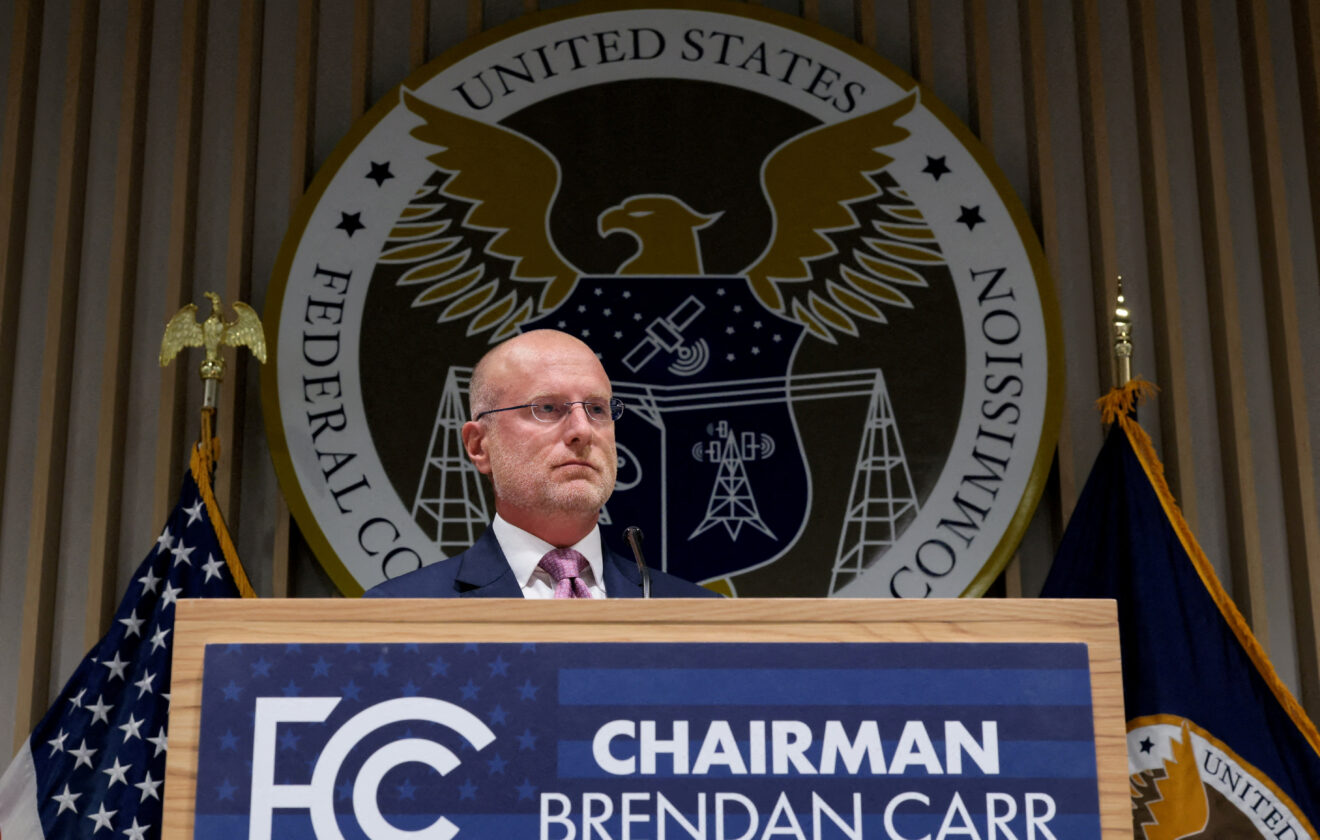
Washington, Octobar 30- Chinese telecom firms could soon be shut out of direct access to phone numbers in the United States, the country’s telecom regulator said on Thursday. It says the move will protect national security and help stop scam robocalls.
The Federal Communications Commission will vote on the plan on November 19. If it’s approved, China Mobile, China Telecom and China Unicom won’t be able to get numbers directly, and the same rule will apply to other internet-based service providers that fall under it.
Direct access allows a phone company to obtain numbers directly from the national supply without having to go through another carrier. This is much more cost-effective for organizations that provide voice communication services on the Internet using a system such as Voice over Internet Protocol (VoIP). It also makes it easier for these providers to offer additional features and services to their customers.
But the commission says that is also what makes it open to abuse. Scam callers need a lot of phone numbers, and the easier those numbers are to get, the harder it is to find out who is behind the calls.
Commission Chairman Brendan Carr said the move would strengthen the FCC’s ability to protect against bad actors, describing it as part of the agency’s “first line of defense” against robocalls. He argued that restricting access to equipment from high-risk vendors would make it harder for fraudulent callers to operate within the U.S. phone network.
There was no immediate comment from the Chinese Embassy regarding the proposal. China has repeatedly denied any wrongdoing in connection with similar security concerns raised by U.S. officials in the past.
However, the proposal goes beyond the three major mobile carriers. The commission also indicated its intention to prohibit internet telephony providers from using any equipment manufactured by companies that appear on its list of national security risks, extending the restrictions across a wider portion of the telecommunications industry.
This list includes Huawei and ZTE. The two companies insist their devices aren’t dangerous. In addition, the commission mentioned that it may revoke direct numbering privileges of other Chinese companies considered risks.
Additionally, the commission announced that no Chinese lab would be allowed to test electronics for the US market starting from December 2028. Such testing is mandatory to sell such items in America; phones and routers are included.
This isn’t the first time the FCC tried to restrict these carriers. Before this, the commission banned China Mobile, China Telecom, and China Unicom from providing international telecommunications services to the United States.
More steps are being looked at. The commission is thinking about whether to stop the carriers from connecting to networks in the United States, and whether to stop them from running data centers in the country.
Fears that China could use its access to American phone networks to spy have grown over the past few years.
In late 2024, officials in Washington said a Chinese state-backed hacking group called Salt Typhoon had broken into telecom companies in the United States and taken call records and other data from American users. The Federal Bureau of Investigation said this year that the threat from the group is “still very much ongoing.” China has denied any part in the hacking.
The commission has gone after smaller firms too. In July, it put Digitalsystem Technology, a company based in California, on its list of national security risks. It said the company has links to Chinese telecom firms and is owned by a Chinese national.
Stopping robocalls has been one of Carr’s top priorities since taking over the commission. In December of last year, the agency directed every internet calling provider with direct access to the phone network to submit updated paperwork related to robocalls, public safety, and national security. In March, it also proposed new restrictions on the resale of phone numbers, aiming to close loopholes that scammers often exploit.
Carr has argued that if scammers obtain phone numbers in the first place, it becomes far more difficult for them to place illegal robocalls at scale. By targeting the supply chain of numbers used by fraudulent callers, the commission hopes to cut off one of the main tools behind the surge in unwanted and deceptive calls.
The decision concerning the Chinese telecom companies will be discussed during an open meeting of the Commission on November 19.